

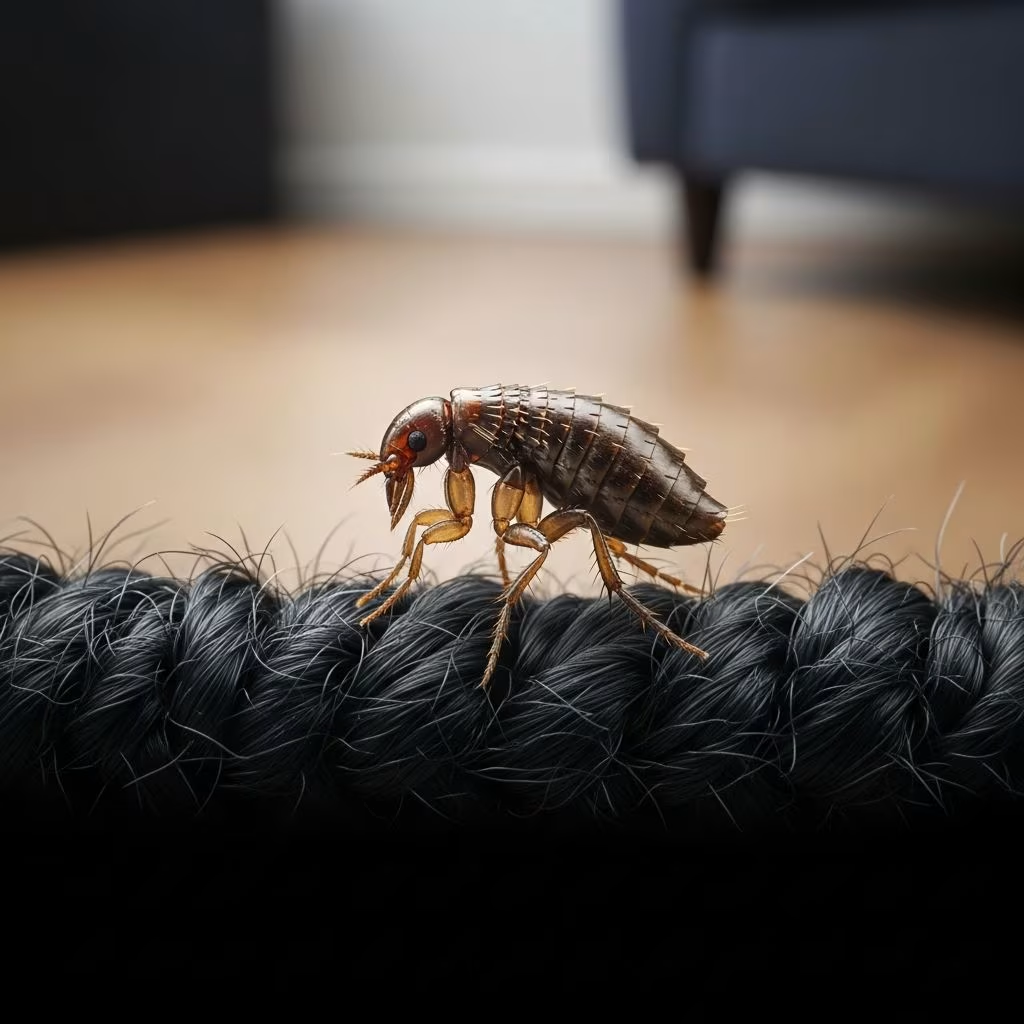
Flea infestations present one of the most common household pest challenges, affecting homes with pets and sometimes even those without animal companions. Understanding the biology of fleas and implementing a multifaceted approach to control is essential for successfully eliminating these parasites from your living environment. This guide provides detailed strategies for addressing flea problems at every stage, from initial detection through long-term prevention.
Understanding the Flea Life Cycle and Why It Matters
Fleas progress through four distinct life stages: eggs, larvae, pupae, and adults. Adult fleas represent only about five percent of a flea population, while the remaining ninety-five percent exists in immature stages within your home’s carpets, bedding, and furnishings. This biological reality underscores why surface-level treatments often fail—they may eliminate visible adult fleas but leave behind developing populations that will mature into new infestations within days or weeks.
The flea life cycle can complete in as little as two weeks under ideal conditions, meaning an untreated infestation can exponentially expand. Humidity and warmth accelerate development, which explains why modern climate-controlled homes provide year-round breeding opportunities for fleas, making them a persistent threat regardless of season.
Preparing Your Home for Comprehensive Flea Treatment
Successful flea elimination requires careful preparation before applying any treatments. Begin by removing clutter from floors, closets, and storage areas, as fleas harbor in hidden spaces. Decluttering accomplishes two objectives: it reduces flea harborage areas and ensures that treatment applications can reach otherwise inaccessible locations.
Document the extent of infestation by observing where your pets spend most time. Fleas concentrate in sleeping areas, favorite resting spots, and frequently traveled pathways. These zones demand the most intensive cleaning and treatment efforts. Take photographs of affected areas to track improvement over the treatment period.
Pet Treatment as the Foundation
Addressing the flea problem on your pets represents the critical first step in home treatment. Without eliminating fleas on your animal companions, any household treatment efforts will prove ineffective, as pets continuously reintroduce fleas into your living spaces.
Modern on-pet flea treatments fall into several categories, each with distinct advantages. Fast-acting tablets eliminate adult fleas within hours, providing immediate relief for infested pets. Topical treatments applied directly to skin offer both immediate killing action and extended prevention. Oral preventatives provide month-long or longer protection with a single dose. Flea baths, while labor-intensive, offer immediate results for heavily infested animals.
Consult with your veterinarian to select the most appropriate treatment for your pet’s age, weight, health status, and lifestyle. Prescription-strength treatments often provide superior efficacy compared to over-the-counter alternatives.
Intensive Cleaning Protocols for Indoor Spaces
Vacuuming Strategy and Execution
Vacuuming represents the most important household cleaning method for flea control. Perform daily vacuuming in heavily affected areas and at minimum every other day throughout your home during treatment phases. The mechanical action of vacuuming removes eggs, larvae, and adult fleas, disrupting the life cycle.
Pay particular attention to specific zones: carpets and rugs throughout the home, the spaces underneath and between furniture where fleas accumulate, cracks and crevices in hardwood floors, baseboards where flea populations concentrate, and areas beneath cushions in upholstered furniture. When vacuuming upholstered items, lift cushions and vacuum the hidden crevices underneath—fleas thrive in these protected microenvironments.
After each vacuuming session, immediately remove and seal the vacuum bag in a plastic garbage bag to prevent fleas from escaping back into your home. If using a bagless vacuum, empty the contents into a sealed bag immediately after use. The goal is preventing any viable fleas or developing stages from reentering your living spaces.
Laundering and Textile Treatment
Wash all pet bedding in hot water with soap every two to three weeks during active treatment. The heat from hot water and detergent kills fleas in all life stages. For heavily infested homes, consider discarding old pet bedding entirely and replacing it with fresh material, ensuring a clean starting point for your flea control efforts.
Extend this approach to family bedding, particularly sheets and blankets if pets share your sleeping area. Wash these items in the hottest water appropriate for the fabric, then dry on high heat settings. The combination of heat and agitation eliminates fleas that may have migrated into sleeping areas.
Steam Cleaning and Deep Treatment
Steam cleaning carpets and upholstered furniture provides exceptional flea elimination because the high temperatures kill fleas at all life stages, including eggs that are resistant to many chemical treatments. Focus steam cleaning efforts on pet bedding areas, favorite lounging spots, and heavily trafficked zones.
Steam cleaning works best when combined with vacuuming. Vacuum thoroughly before steam cleaning to remove loose debris, then steam clean to penetrate deep carpet fibers where developing fleas hide. For severe infestations, schedule steam cleaning appointments every two weeks during the treatment period.
Chemical Treatment Applications for Indoor Control
Selecting Appropriate Products
Indoor flea treatment products contain active ingredients that target adult fleas and, critically, insect growth regulators (IGRs) that disrupt flea reproduction. IGR products such as methoprene or pyriproxyfen prevent larvae from developing into adults and interfere with egg viability. Using IGR-containing products accelerates the elimination of flea populations because they address both adult fleas and future generations simultaneously.
Choose products specifically formulated for your home environment and pet types. Ensure all household members, including children, can safely occupy treated spaces. Follow label directions precisely regarding application rates, waiting periods before re-entry, and reapplication schedules.
Application Techniques
Apply targeted sprays to cracks and crevices, edges where walls meet floors, underneath furniture, and around pet bedding areas. Avoid broad broadcast spraying across entire rooms—directed application uses less product while achieving better coverage of flea harborage areas. Some products permit carpet treatment, but always verify label instructions before application.
Plan treatment applications to allow adequate ventilation. Open windows and ensure air circulation throughout treated spaces. Keep pets and children away from treated areas until completely dry, following label-specified safety periods.
Managing Severe Infestations
Extensive flea problems may require multiple treatment cycles spaced two weeks apart. The two-week interval allows newly emerging fleas to reach the adult stage when they become vulnerable to treatment, while preventing the population from rebounding. Plan for multiple rounds if initial treatment doesn’t achieve complete control.
During each treatment cycle, combine all three strategies: pet treatment, intensive cleaning, and household chemical application. Neglecting any component reduces overall effectiveness. Cleaning proves equally important as chemical treatment because removing flea populations physically reduces numbers and improves product efficacy.
Outdoor Flea Management and Yard Control
Fleas thrive in yard environments with shade, moisture, and debris. Modify outdoor conditions to create an inhospitable environment for flea development. Mow grass regularly to remove shade and expose soil to sunlight, as fleas actively avoid bright, exposed areas. The frequent mowing also removes fallen leaves and plant material where flea pupae develop.
Reduce yard moisture because fleas require humid environments for survival. Avoid overwatering landscapes and ensure adequate drainage to maintain dry soil conditions. Rake thoroughly to remove leaf litter, grass clippings, and organic debris that provide ideal flea harborage and breeding conditions.
For yards with persistent flea problems, apply pet-safe insecticides specifically formulated for outdoor use. Some properties benefit from beneficial nematodes—microscopic organisms that prey on flea larvae in soil without harming pets or humans. These organisms live in soil indefinitely, providing ongoing flea suppression.
Prevent wildlife from accessing your yard by removing brush piles, sealing gaps in fencing, and securing garbage and compost containers. Rodents and wild animals introduce fleas to properties, perpetuating outdoor infestations. Store pet food in sealed containers and remove it after feeding to avoid attracting wildlife.
Pet Containment Strategies
Keeping pets indoors as much as possible reduces their exposure to fleas and limits reintroduction from outdoor environments. If pets must spend time outside, restrict their access to treated yard areas and check them regularly for fleas using a flea comb.
For households with multiple pets, treat all animals simultaneously for flea control. A single untreated pet can maintain flea populations and reinfest treated companions. Coordinate with your veterinarian to ensure all household animals receive appropriate treatments on the same schedule.
Long-Term Prevention and Maintenance
Year-Round Prevention Strategy
Preventing flea reinfestation requires year-round attention because climate-controlled modern homes create suitable conditions for fleas throughout all seasons. Maintain pets on veterinarian-recommended flea preventatives continuously, even during traditionally slower flea seasons.
Continue weekly cleaning of pet bedding and areas where pets spend significant time. While less intensive than treatment-phase cleaning, consistent maintenance prevents flea populations from becoming reestablished. Regular vacuuming (at least weekly) in pet-frequented areas maintains low flea populations and prevents infestations from developing.
Monitoring and Early Detection
Use flea combs regularly to monitor pet coat condition and detect any flea presence early. Flea combs remove fleas and flea dirt (dried blood), providing visual confirmation of infestation status. Comb particularly the neck and tail areas where fleas concentrate. Deposit any collected fleas into hot soapy water to kill them immediately.
Establish a baseline by monitoring pets weekly during prevention phases. Any detection of fleas warrants immediate treatment escalation before populations expand. Early intervention requires far less intensive effort than addressing heavy infestations.
Special Considerations for Different Home Environments
Homes with Carpet versus Hard Flooring
Carpeted homes present greater flea challenges because fleas hide within carpet fibers where they’re difficult to reach. Carpet treatment requires more intensive vacuuming and steam cleaning than hard flooring situations. Homes with hard floors benefit from regular sweeping and mopping, though fleas still hide in cracks and beneath furniture.
Consider area rugs in pet sleeping zones, which can be removed and laundered, simplifying flea management compared to wall-to-wall carpeting.
Multi-Pet Households
Homes with multiple pets require coordinated treatment of all animals and more extensive household cleaning because flea populations expand rapidly across multiple hosts. Ensure all pets receive simultaneous treatment and prevention to avoid cross-reinfestation cycles.
Frequently Asked Questions
How quickly can I eliminate fleas from my home?
Initial flea population reduction occurs within days of starting combined treatment, but complete elimination typically requires two to four weeks. The timeline depends on infestation severity, treatment consistency, and whether all life stages are addressed. Heavy infestations may require multiple treatment cycles spaced two weeks apart.
Can I get rid of fleas without chemical treatments?
Mechanical removal through vacuuming, laundering, and steam cleaning removes significant flea populations but may not eliminate all developing stages. Combining mechanical methods with IGR treatments, which are minimally toxic, provides more reliable control than mechanical methods alone.
Should I treat my yard if I have an indoor flea problem?
Yard treatment becomes necessary if pets spend time outdoors or if you suspect outdoor flea presence. Even homes with primarily indoor pets benefit from basic yard maintenance (mowing, reducing moisture) to prevent outdoor flea populations from reinfesting your home.
What’s the best flea prevention method?
Veterinarian-prescribed flea preventatives provide the most reliable protection, combined with regular pet monitoring using flea combs and consistent home cleaning. Year-round prevention proves more effective than seasonal approaches because fleas remain active in climate-controlled homes throughout the year.
Can fleas live in my bed if I don’t have pets?
Yes, fleas can exist in human bedding and furniture in homes without pets if they’ve been introduced through other animals or wildlife. Regular laundering in hot water, vacuuming, and reducing moisture help prevent infestations even in pet-free homes.
References
- Control Fleas on Your Pet, in Your House, and in Your Yard — Mississippi State University Extension. Accessed February 2026. https://extension.msstate.edu/publications/control-fleas-your-pet-your-house-and-your-yard
- Controlling Fleas and Ticks Around Your Home — U.S. Environmental Protection Agency. https://www.epa.gov/pets/controlling-fleas-and-ticks-around-your-home
- Preventing Fleas – For Homes and Pets — Centers for Disease Control and Prevention. https://www.cdc.gov/fleas/prevention/index.html
- How To Get Rid of a Flea Infestation — PetMD. https://www.petmd.com/general-health/flea-infestation



