

A fishy odor emanating from your dog can be concerning and unpleasant. This distinctive smell, often compared to fish or seafood, is a common complaint among dog owners and typically signals an underlying health issue requiring attention. Understanding the root causes of this odor and knowing how to address it effectively can help restore your dog’s freshness and overall wellbeing.
The Primary Culprit: Anal Gland Dysfunction
The most frequent reason dogs emit a fishy smell is related to dysfunction in their anal glands. Dogs possess two small glands positioned on either side of their anus that produce secretions used for territorial marking and communication with other animals. These glands normally express themselves naturally during bowel movements, but when they become impacted, infected, or blocked, they can release a pungent fishy odor that permeates your pet’s environment.
Anal gland problems manifest through several observable behaviors. Your dog may scoot their rear end along the ground, excessively lick or bite at their posterior, experience difficulty during defecation, or show signs of discomfort when sitting. In severe cases, impacted anal glands can become infected and develop into abscesses, which swell beneath the skin and eventually rupture if left untreated, releasing pus and blood.
Certain dog populations face higher risk for anal gland issues. Small breed dogs are particularly susceptible, as are older and overweight canines. The condition can often be traced to constipation, loose stools, obesity, or insufficient pressure during defecation to naturally express the glands.
Secondary Health Factors Contributing to Fishy Odors
Urinary Tract and Reproductive System Infections
Beyond anal glands, urinary tract infections (UTIs) can alter your dog’s urinary odor, sometimes resulting in a fishy smell. Female dogs experiencing vaginitis or pyometra (a serious uterine infection) may also emit fishy odors as a symptom. These conditions require prompt veterinary intervention, as pyometra in particular represents a medical emergency that can prove fatal without treatment.
Oral Health Deterioration
Your dog’s dental condition significantly impacts overall body odor. Periodontal disease, tooth decay, and gum infections create an environment where bacteria flourish, often producing breath with fishy undertones. Extended periods of poor oral care allow tartar and plaque buildup to accumulate, leading to inflammation, bleeding gums, and severe halitosis. More seriously, dental disease can be symptomatic of systemic conditions including diabetes, kidney disease, or oral tumors.
Skin Infections and Allergic Reactions
A less common but notable cause of fishy odors involves skin infections and allergies. When allergic reactions or infections compromise your dog’s skin health, they may develop a greasy coat that traps and amplifies unpleasant smells. These conditions often require topical or oral medications to resolve.
Dietary Influences and Digestive Concerns
The food your dog consumes directly affects their body odor. Dogs consuming fish-based diets or fish-flavored dog foods may naturally emit fishier scents. Additionally, digestive issues and food allergies affecting the gastrointestinal tract can contribute to abnormal body odors emanating through breath, skin, and waste.
Comprehensive Treatment Approaches
Professional Veterinary Intervention
When your dog exhibits a persistent fishy smell, scheduling a veterinary appointment should be your first priority. A veterinarian can properly examine your pet, identify the specific cause of the odor, and develop an appropriate treatment plan. For anal gland issues, your vet can manually express the glands to provide immediate relief and eliminate the fishy smell. This procedure, while uncomfortable, addresses the immediate problem and allows your veterinarian to examine the glands for more serious complications like abscesses or tumors.
For UTIs, your veterinarian will typically prescribe antibiotics to clear the infection. Female dogs with vaginitis or pyometra may require antibiotics and, in severe cases, surgical intervention. Dental disease treatment may range from professional cleaning under anesthesia to tooth extraction, depending on severity.
Dietary Modifications and Nutritional Support
Adjusting your dog’s diet represents a cornerstone of long-term odor management. If your dog consumes fish-based food, switching to a different protein source may reduce the fishy smell. More importantly, ensuring adequate fiber intake helps normalize stool consistency, which in turn enables natural anal gland expression during bowel movements.
High-quality dog food with balanced, wholesome ingredients supports overall health and can improve skin, coat, and digestive function. Weight management through appropriate diet is particularly important for overweight dogs predisposed to anal gland dysfunction.
Several supplements can support your dog’s health when addressing odor issues:
- Fiber supplements: These enhance stool consistency to promote natural anal gland expression.
- Probiotics: Beneficial bacteria support digestive health and may reduce unpleasant odors by improving gut flora balance.
- Omega-3 fatty acids: These healthy fats improve skin and coat health, potentially reducing skin-related odors.
Enhanced Oral Care Routines
If dental issues contribute to your dog’s fishy odor, establishing a comprehensive oral care routine is essential. Brushing your dog’s teeth with enzymatic toothpaste at least three times weekly helps prevent plaque and tartar accumulation. Professional dental cleanings, recommended during regular veterinary visits, remove buildup that brushing alone cannot address.
Temporary Relief Measures
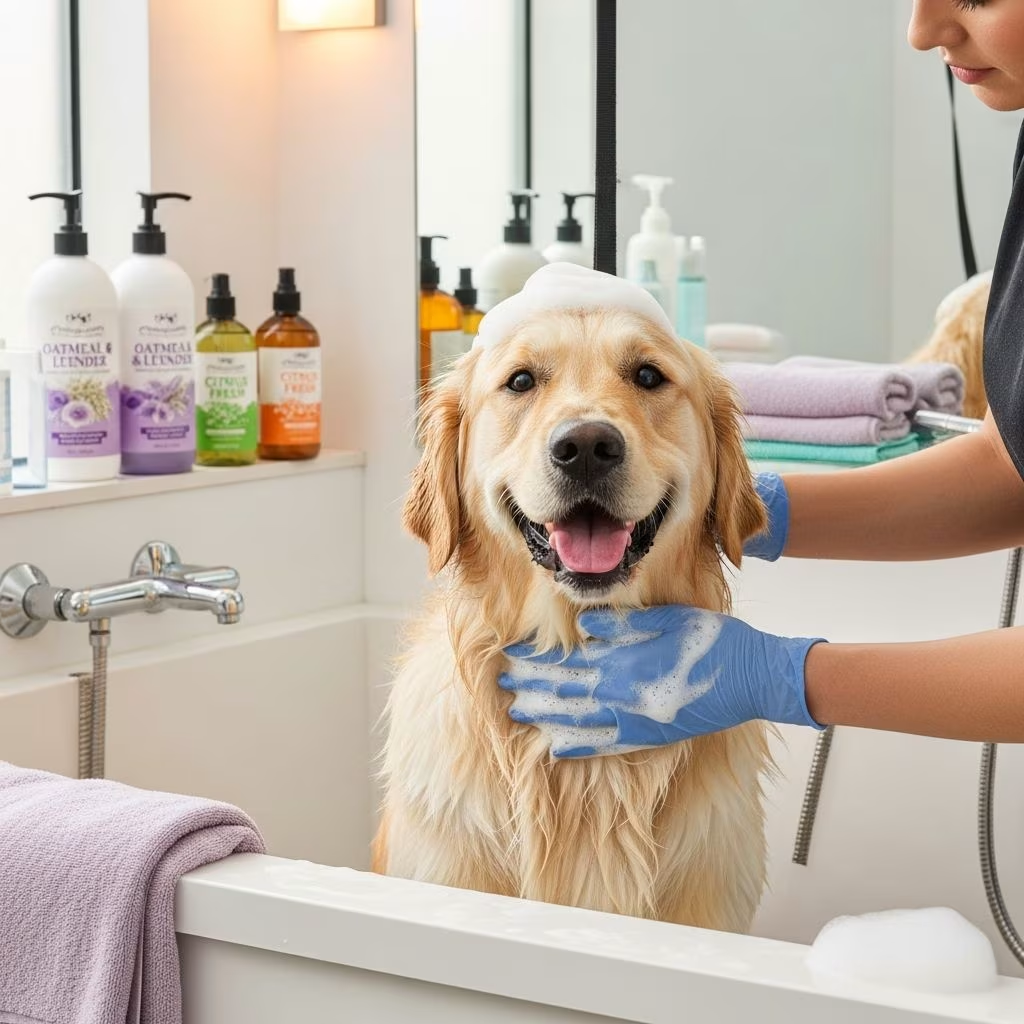
While awaiting professional veterinary care, you can take steps to manage your dog’s odor temporarily. Regular baths using dog-friendly shampoo help control odors, though these represent temporary solutions rather than permanent fixes. Medicated wipes designed for anal gland care can address fishy smells around the rectal area.
Some dog owners attempt home expression of anal glands, which certain groomers and veterinarians can teach you to perform. However, manual expression may not prevent underlying anal sac disease, particularly when caused by anatomical abnormalities or tumors.
Prevention Strategies for Long-Term Management
Preventing fishy odors requires a multifaceted approach focusing on your dog’s overall health and hygiene. Maintaining your dog at a healthy weight reduces strain on their systems and decreases anal gland complications. Ensuring consistent access to fresh, clean water supports urinary and digestive health, potentially reducing UTI risk and promoting regular, healthy bowel movements.
Regular veterinary check-ups allow your veterinarian to detect and address potential issues early before they develop into serious problems. These appointments provide opportunities to assess your dog’s dental health, discuss diet, and identify early signs of systemic conditions that might manifest as unusual odors.
When to Seek Immediate Veterinary Attention
Certain situations warrant prompt professional evaluation. If your dog’s fishy odor accompanies symptoms such as vomiting, weight loss, mouth pain, bleeding gums, or difficulty urinating, these may indicate serious underlying conditions including kidney disease, diabetes, or infections requiring urgent treatment. Similarly, if your female dog exhibits a fishy odor along with fever, lethargy, or abdominal distension, pyometra should be suspected and requires emergency veterinary care.
Understanding Your Dog’s Health Through Odor
Your dog’s body odor serves as an important indicator of their health status. A fishy smell is never normal and always warrants investigation. While anal gland dysfunction accounts for the majority of cases, recognizing that odor can signal diverse health issues—from simple dietary factors to serious medical conditions—empowers you to seek appropriate care quickly.
Maintaining regular grooming, providing quality nutrition, managing your dog’s weight, and scheduling routine veterinary visits form the foundation of odor prevention. When fishy smells do appear, prompt action in identifying and addressing the underlying cause ensures your dog returns to their fresh, healthy self while preventing potentially serious conditions from progressing.
Frequently Asked Questions
- Can I express my dog’s anal glands at home?
- While some dog owners learn to express anal glands at home, this is best performed by professionals initially. Your veterinarian or groomer can teach you the technique, but internal anal gland problems may require professional diagnosis and treatment.
- How often should anal glands be expressed?
- Most dogs naturally express their anal glands during normal bowel movements. If your dog requires frequent manual expression, consult your veterinarian about underlying causes such as diet, weight, or anatomical issues.
- Does fish-based dog food cause fishy smell in all dogs?
- Not all dogs on fish-based diets develop fishy odors, but switching to a different protein source may help if your dog is predisposed to strong body odors.
- Are fishy-smelling dogs contagious?
- The odor itself is not contagious, though underlying infections like UTIs or skin conditions could theoretically spread in certain circumstances. Regular hygiene practices and veterinary care minimize these risks.
- How long does it take to eliminate the fishy smell after treatment?
- Once the underlying cause is addressed—whether through anal gland expression, antibiotics, or dietary changes—the fishy odor typically diminishes within days to weeks depending on the condition’s severity.
References
- Why Does My Dog Smell Fishy? Understanding the Causes and Treatment — Berthoud Animal Hospital. Accessed January 30, 2026. https://berthoudanimalhospital.com/blog/dog-smells-fishy/
- Why Does My Dog Smell Like Fish? Common Causes and Solutions — Scent Hound. Accessed January 30, 2026. https://www.scenthound.com/dogblog/why-your-dog-smells-like-fish-and-what-to-do-about-it
- When Your Dog Smells like Fish: Causes, Solutions, and Prevention — Montgomery Veterinary Associates. Accessed January 30, 2026. https://mvavets.com/blog/dog-smells-like-fish/
- Why Do My Dogs Smell Like Fish? — PetMD. Accessed January 30, 2026. https://www.petmd.com/dog/general-health/why-do-my-dogs-smell-like-fish
- Why Does My Dog Smell Like Fish in Oak Park, IL? — Companion Animal Clinic. Accessed January 30, 2026. https://companionop.com/blog/why-does-my-dog-smell-like-fish-in-oak-park-il/
- How to Get Rid of Fishy Smell from Female Dog — Earth Rated. Accessed January 30, 2026. https://www.earthrated.com/blogs/blog/how-to-get-rid-of-fishy-smell-from-female-dog
- Why does my dog smell of fish? — The Kennel Club. Accessed January 30, 2026. https://www.royalkennelclub.com/health-and-dog-care/health-dog-care/health/health-and-care/a-z-of-health-and-care-issues/why-does-my-dog-smell-of-fish/



