

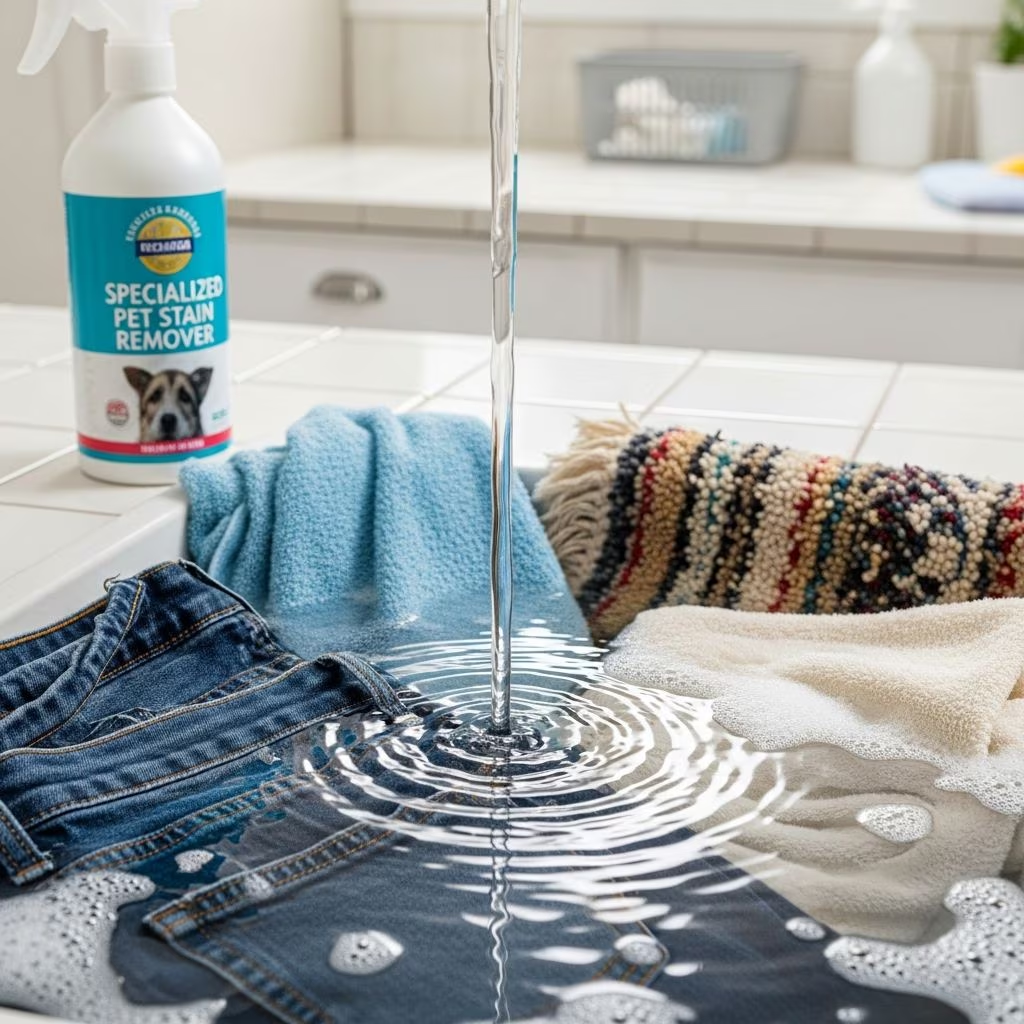
Dealing with dog urine accidents on fabric items is one of the most frustrating challenges pet owners face. Whether it’s a beloved towel, your favorite bedding, or a cherished piece of clothing, urine stains and their lingering odors can seem permanent if not addressed with the right approach. The key to successful removal lies in understanding how urine compounds bond to fabrics and using targeted cleaning solutions that break down these compounds rather than simply masking the smell.
Understanding Why Dog Urine Damages Textiles
Dog urine contains uric acid, bacteria, and ammonia compounds that penetrate deep into fabric fibers. When left untreated, these components don’t just sit on the surface—they bond with the textile material itself, creating both visible stains and persistent odors that regular washing cannot eliminate. This is why immediate action is crucial when you discover an accident on your fabrics.
The ammonia in urine becomes more concentrated as urine dries, intensifying the smell over time. Fresh accidents are significantly easier to treat than aged stains because the compounds haven’t yet formed strong molecular bonds with the fabric fibers. Understanding this timeline helps you prioritize which items need immediate attention and which can wait for a more thorough treatment.
Immediate Steps for Fresh Accidents
When you discover fresh urine on a fabric item, your first instinct should be to prevent the liquid from setting deeper into the material. Time is your greatest ally in these situations.
- Blot immediately: Use paper towels or a clean white cloth to absorb as much liquid as possible. Press down firmly to extract moisture rather than rubbing, which can spread the stain further into the fibers.
- Avoid heat initially: Do not place the item in direct sunlight or apply heat until you’ve completed treatment, as warmth can set the stain permanently and intensify odors.
- Rinse with cool water: Flush the affected area with cool water to dilute the urine and prevent the compounds from bonding more deeply. Avoid hot water, which can actually set the stain.
- Assess the damage: Determine whether the urine has soaked through to the underside or backing of the fabric, as this will influence your cleaning approach.
Enzymatic Cleaners: The Most Effective Solution
Enzymatic cleaners represent the gold standard for removing dog urine from fabrics because they work at a molecular level. These specialized products contain enzymes that break down the organic compounds in urine—specifically the proteins and uric acid crystals that cause stains and odors. Unlike regular detergents that simply remove surface dirt, enzymatic cleaners actually digest the chemical compounds that make urine so difficult to eliminate.
When selecting an enzymatic cleaner for your fabrics, look for products specifically formulated for pet urine. Apply the cleaner by saturating the affected area thoroughly, ensuring it penetrates through all layers of the fabric. The key to effectiveness is allowing adequate dwell time—typically 5 to 10 minutes for fresh stains, though older or more stubborn stains may require the cleaner to sit for several hours or even up to 48 hours. During this waiting period, the enzymes work to break down the urine compounds without you needing to do anything.
After the appropriate dwell time, blot the area again with a clean cloth to absorb the cleaning solution along with the dissolved urine compounds. Then proceed to your regular laundering process. This enzymatic pre-treatment followed by washing dramatically increases the likelihood of complete odor elimination.
Vinegar and Water Solutions
For those preferring natural cleaning approaches or seeking a more budget-friendly option, vinegar offers surprising effectiveness against dog urine. White vinegar contains acetic acid, which helps neutralize the ammonia in urine and breaks down some of the odor-causing compounds.
To create a vinegar solution, mix equal parts white vinegar and water. Apply this mixture directly to the stained area and allow it to sit for 10 to 15 minutes. The vinegar smell itself will seem strong initially, but it dissipates as it dries. After the soaking period, blot the area thoroughly and proceed with your normal laundering routine.
For enhanced results, some cleaning experts recommend combining vinegar with other natural ingredients. A more potent mixture incorporates one cup of vinegar, one cup of water, and one-quarter cup of 3% hydrogen peroxide. This combination creates a more powerful formula that addresses both the staining compounds and the odor-causing elements simultaneously. Always test this stronger solution on an inconspicuous area of the fabric first, as hydrogen peroxide can potentially cause discoloration on certain materials.
Hydrogen Peroxide Treatments
Hydrogen peroxide serves as another effective option for treating dog urine on fabrics, particularly useful for stubborn or set-in stains. The compound works by breaking down organic pigments and compounds, making it particularly effective on stains that vinegar alone cannot completely remove.
When using hydrogen peroxide, apply a 3% solution (the standard household concentration) directly to the stained area and allow it to sit for at least 15 minutes. For more difficult stains, you can increase the soaking time. The hydrogen peroxide will work to oxidize and break down the urine compounds. After adequate time has passed, blot the area with clean cloths to absorb the solution.
An important caution: always test hydrogen peroxide on a hidden area of your fabric first to ensure it won’t cause bleaching or discoloration. This is especially important for colored fabrics or items made from delicate materials.
Baking Soda Applications
Baking soda acts as an odor neutralizer and works particularly well in combination with other cleaning methods. Its porous structure allows it to absorb and trap odor molecules, making it an excellent addition to your multi-step cleaning approach.
After treating the urine stain with one of the liquid solutions mentioned above and allowing it to dry, sprinkle a generous amount of baking soda over the affected area. Allow the baking soda to sit for several hours or overnight, giving it maximum time to absorb residual odors. Then simply vacuum the baking soda away. This final step is particularly effective for eliminating any lingering smells that other treatments might not have completely addressed.
Pre-Washing Treatment Protocol
Before throwing your affected fabrics into the washing machine, establish a systematic pre-treatment approach:
- Identify all stained areas, checking thoroughly for urine that may have soaked through to unexpected locations
- Apply your chosen enzymatic cleaner or natural solution directly to each affected area
- Allow adequate dwell time without rinsing (follow product instructions or use 15-30 minutes as a general guideline)
- Gently blot with clean cloths to remove excess solution
- Proceed immediately to machine washing
Machine Washing Considerations
Once you’ve completed pre-treatment, washing your fabrics requires some specific attention to ensure complete success. Use the hottest water temperature that your fabric can tolerate—heat helps activate detergent and rinses away the broken-down urine compounds more effectively than cool water. Add your regular laundry detergent along with an additional cup of white vinegar in the rinse cycle for extra odor-fighting power.
For heavily soiled items, you might consider running an extra rinse cycle to ensure all cleaning solutions and urine residue are completely removed. Incomplete rinsing can leave behind cleaning products that might actually trap odors or create new smells.
Drying Methods and Final Steps
After washing, resist the urge to place items in the dryer immediately if any odor remains. Heat from a dryer can set any remaining urine compounds, making them even more difficult to eliminate in future washing attempts. Instead, hang items to air dry, preferably in sunlight if possible, as UV rays naturally help break down remaining odor compounds and provide natural disinfection.
Once fully dry, smell the items carefully. If any urine odor persists, the treatment wasn’t completely successful. In such cases, repeat the pre-treatment process before washing again rather than using the dryer.
Preventing Future Accidents and Protecting Fabrics
Beyond treating existing accidents, protecting your fabrics from future damage helps prevent accumulation of damage over time. Consider using washable fabric protectors on items that are frequently exposed to potential accidents, such as bedding or throw blankets. These protective coatings can help urine bead up rather than soaking in immediately, giving you more time to clean before deep penetration occurs.
Additionally, identify why your dog is having accidents. Whether it’s a medical issue, behavioral problem, or housetraining challenge, addressing the root cause prevents ongoing fabric damage and stress in your household.
Special Fabric Considerations
Different fabric types may require modified approaches. Delicate materials, wool, silk, or specialty fabrics may not tolerate all the cleaning solutions equally well. Always test solutions on hidden areas first, follow fabric care labels, and consider professional cleaning for valuable items that have been affected by urine accidents.
Synthetic fabrics generally tolerate enzymatic cleaners and hydrogen peroxide well. Natural fibers like cotton and linen are also quite resilient. However, materials like wool or silk may require gentler approaches or professional intervention to avoid damage.
When to Seek Professional Help
If home treatments fail to eliminate odors after multiple attempts, or if the staining is extensive across valuable fabrics, professional cleaning services may be your best option. Professionals have access to commercial-grade enzymatic cleaners and specialized equipment that can often succeed where home methods have failed. They can also provide guidance specific to your fabric types and the severity of contamination.
References
- How to Remove the Smell of Pet Urine from your Home — Scott Brand. Accessed January 2026. https://www.scottbrand.com/en-us/tips-and-advice/pet-care/how-to-clean-pet-urine
- How to Remove Dog and Cat Urine Smell from Carpet — BISSELL. Accessed January 2026. https://www.bissell.com/en-us/blog/how-to-remove-dog-and-cat-urine-smell-from-carpet/
- Dog Urine Stains and Odor: Cleaning Hacks — NaturVet. Accessed January 2026. https://naturvet.com/blogs/tips-and-tricks/dealing-with-dog-urine
- How to Get Rid of Dog Urine Stains and Help Put A Stop to Remarking — Rug Doctor. Accessed January 2026. https://www.rugdoctor.com/cleaning-tips/how-to-get-rid-of-dog-urine-stains-and-help-put-a-stop-to-re-marking/



