

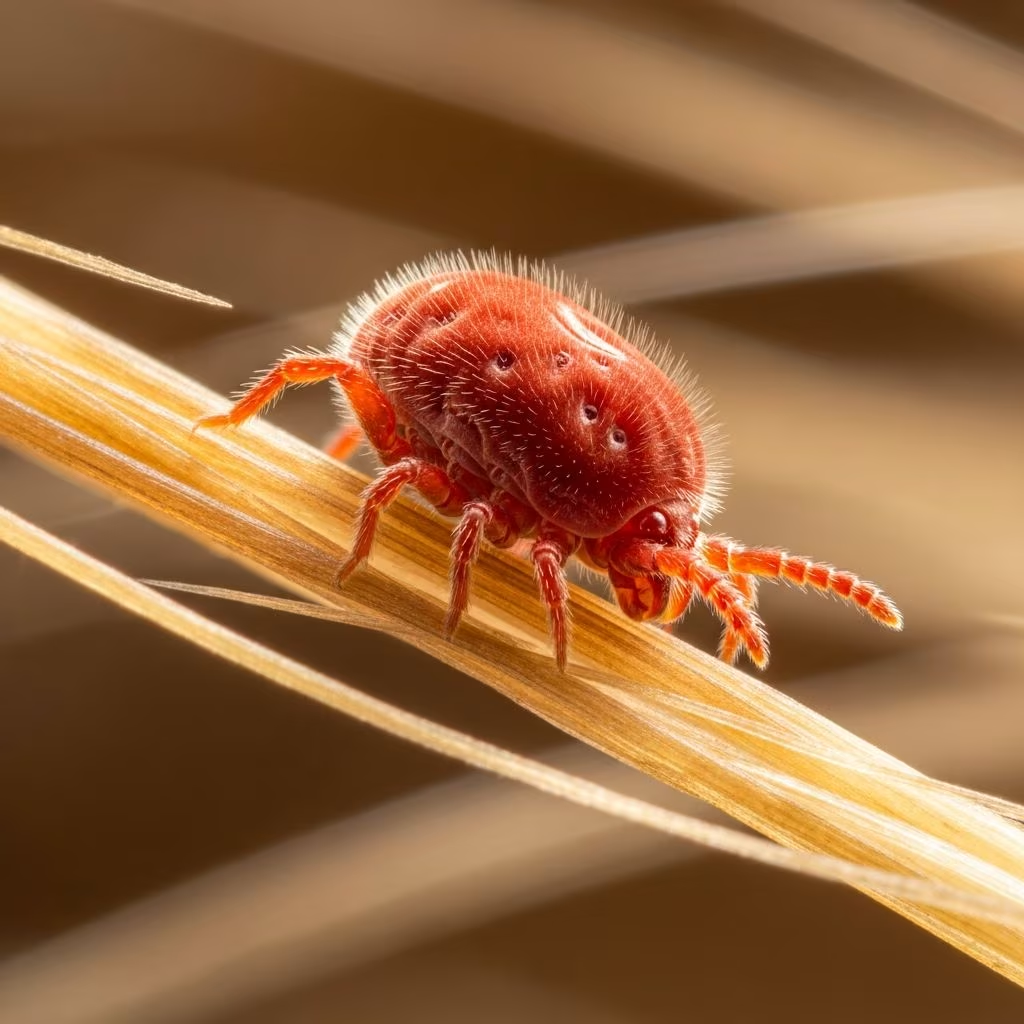
Chiggers, known scientifically as trombiculid mites, pose a significant challenge for dogs that roam through grassy or wooded environments. These tiny parasites latch onto thin-skinned areas, injecting enzymes that trigger severe itching and potential infections. Prompt identification and intervention are crucial to alleviate suffering and restore your pet’s comfort.
Understanding Chigger Infestations in Canines
Chiggers thrive in warm, humid climates and target vulnerable spots on dogs such as the belly, groin, armpits, and ears where fur is sparse. Unlike ticks, they do not burrow but feed on skin cells, leaving behind irritants that provoke allergic reactions. Dogs often respond by excessive scratching, leading to hair loss, red welts, and open sores if untreated.
Seasonal peaks occur in late summer through early fall, aligning with mite life cycles. Recognizing early signs like pinpoint red dots, frantic pawing, or reluctance to lie down helps in swift action. Veterinary diagnostics may involve skin scrapings to differentiate from fleas or allergies.
Immediate Steps for Chigger Removal
Begin treatment by physically dislodging mites. Gently wipe affected areas with a soft, damp cloth soaked in warm water to loosen attachments without further irritation. Follow with a thorough rinse using cool water to deter remaining parasites from reattaching.
- Focus on high-risk zones: ears, eyelids, paws, and underbelly.
- Avoid harsh scrubbing to prevent skin tears.
- Pat dry softly afterward to minimize stress.
Effective Bathing Protocols for Relief
Bathing stands as the cornerstone of chigger management. Use lukewarm water with a mild, pet-formulated shampoo to cleanse deeply. Incorporating soothing additives enhances efficacy:
| Method | Ingredients | Application Time | Benefits |
|---|---|---|---|
| Oatmeal Soak | 1 cup colloidal oatmeal | 10-15 minutes | Reduces inflammation, calms itch |
| Epsom Salt Bath | 1-2 cups salts + mild soap | 10 minutes | Draws out irritants, soothes skin |
| Green Tea Rinse | Brewed bags diluted in water | 5-10 minutes | Antioxidant relief from swelling |
Rinse thoroughly and air-dry or use low-heat blow drying. Repeat every 2-3 days until symptoms subside, monitoring for improvements within 48 hours.
Veterinary Interventions for Severe Cases
For persistent or intense reactions, professional care is essential. Vets often prescribe acaricides like Frontline, Revolution, or Seresto collars, which target mites alongside fleas and ticks. These monthly preventives provide residual protection.
Steroids such as prednisone address inflammation from self-trauma, while antibiotics combat secondary bacterial invasions. Localized pyrethrin dips, applied biweekly, offer targeted elimination. Always disclose home remedies to avoid interactions.
Natural and Supportive Home Therapies
Beyond baths, supplementary options ease discomfort without pharmaceuticals:
- Ice Packs: Wrap in cloth, apply 10 minutes max to numb areas and constrict blood vessels.
- Oatmeal Paste: Mix ground oats with water for spot treatment on welts.
- Essential Oils: Diluted citronella or rosemary as repellents post-bath (vet-approved only).
Maintain cleanliness by trimming fur around lesions and preventing licking or scratching with cone collars.
Environmental Controls and Yard Management
Chiggers inhabit overgrown lawns, leaf litter, and brush. Transform your yard into a mite-unfriendly zone:
- Mow grass short and remove debris weekly.
- Apply pet-safe pesticides to borders, following label instructions.
- Create gravel or woodchip barriers around play areas.
Wash bedding, toys, and fabrics in hot water (140°F+) to eradicate hitchhikers. Vacuum carpets thoroughly.
Proactive Prevention Strategies
Minimize exposure through smart habits:
- Steer clear of tall grass, woods, especially August-October.
- Groom post-outings: brush vigorously, inspect skin.
- Use vet-recommended repellents before hikes.
- Dress in long pants if carrying dogs through risky terrain.
Year-round flea/tick preventives offer dual benefits against chiggers.
Frequently Asked Questions (FAQs)
Do chiggers burrow into dog skin?
No, they attach superficially, feeding externally while injecting digestive enzymes.
How long do chigger bites last on dogs?
Typically 1-2 weeks with treatment; untreated cases prolong to a month.
Can humans catch chiggers from dogs?
Possible via shared environments, but direct transmission is rare.
Are over-the-counter flea treatments safe for chiggers?
Not always; consult vets for mite-specific efficacy.
What if my dog’s itching worsens after bathing?
Seek immediate vet care for potential allergies or infections.
Long-Term Monitoring and Follow-Up
Post-treatment, observe for recurrence. Schedule check-ups if lesions persist beyond 10 days. Integrate prevention into routines for sustained wellness. Educate family on risks during peak seasons.
By combining immediate relief, professional oversight, and habitat modifications, dog owners can effectively combat chiggers. This holistic approach ensures pets enjoy outdoor freedoms without parasitic woes.
References
- Modern Chiggers on Dogs Treatment & Prevention — FunnyFuzzy. 2023. https://funnyfuzzy.com/blogs/pet-encyclopedia/how-modern-chiggers-on-dogs-treatment-dogs
- Symptoms and Prevention of Chiggers in Dogs — FirstVet. 2024. https://firstvet.com/us/articles/symptoms-and-prevention-of-chiggers-in-dogs
- How to Treat Your Dog For Chigger Bites — PetCareRx. 2023. https://www.petcarerx.com/article/how-to-treat-your-dog-for-chigger-bites/4667
- Chiggers on Dogs: What You Need to Know — PetMD. 2025-01-15. https://www.petmd.com/dog/general-health/chiggers-dogs-what-you-need-know
- Chiggers – the mighty mite causing misery to your dog — First Aid for Pets. 2023. https://firstaidforpets.net/chiggers-mite-causes-misery-dog/
- Chigger Season is Here – What You Need to Know — Felton Veterinary Hospital. 2024. https://www.feltonveterinaryhospital.com/blog/chigger-season-is-here-what-you-need-to-know/
- Chiggers — Texas A&M AgriLife Extension Service. 2022-06-01. https://agrilifeextension.tamu.edu/library/landscaping/chiggers/



