

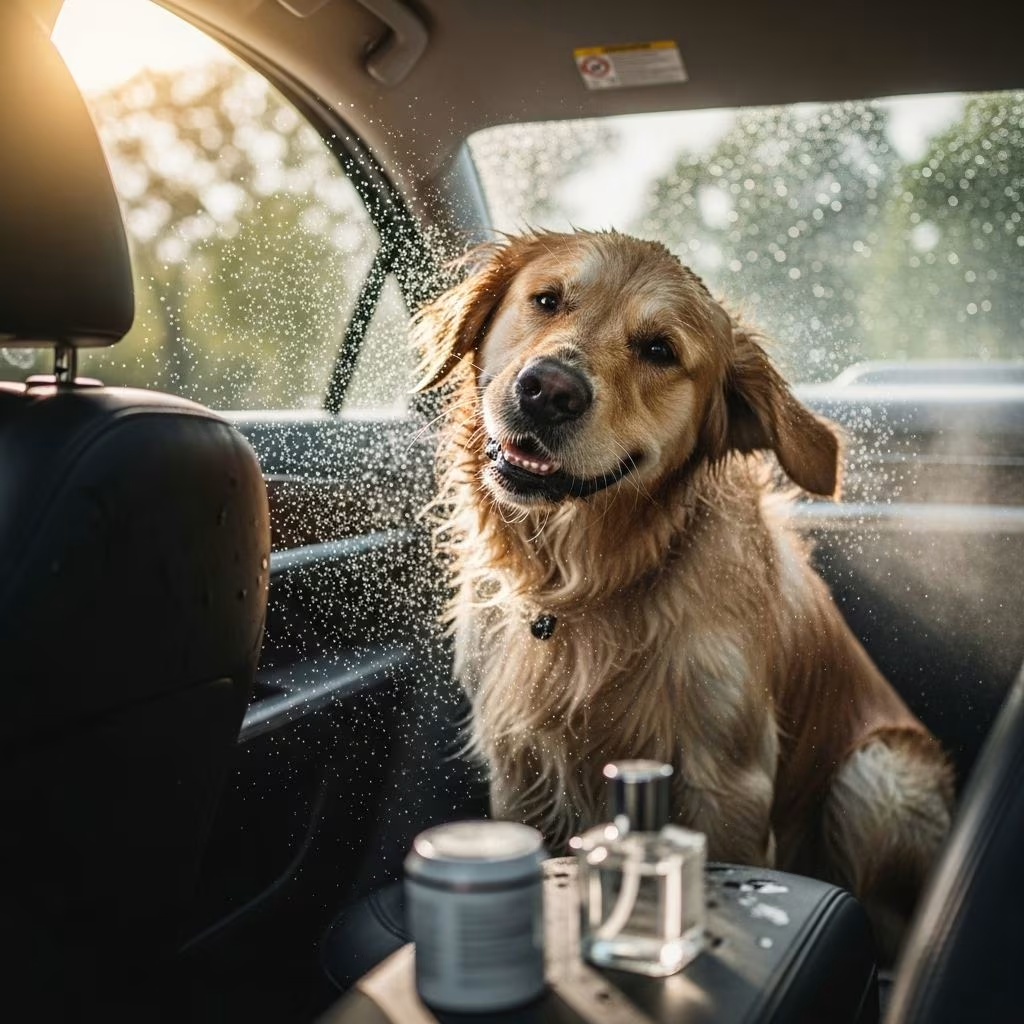
Nothing spoils a road trip with your dog like the lingering stench of wet fur permeating your vehicle’s interior. This common issue arises from moisture trapped in fabrics, pet dander, saliva, and bacteria buildup, creating a musty aroma that air fresheners alone can’t conquer. Addressing it requires a combination of immediate actions, deep cleaning techniques, and ongoing maintenance to restore a neutral environment.
Understanding the Root Causes of Wet Dog Smells
Wet dog odor in cars stems primarily from organic compounds released when a damp pet shakes off water or drools during travel. These compounds cling to upholstery, carpets, and air vents, where bacteria thrive in hidden crevices. Leather seats absorb less but still harbor smells in seams, while fabric materials trap hair and moisture deeply. Poor ventilation exacerbates the problem by recirculating tainted air through the HVAC system.
- Moisture sources: Rainy walks, puddle splashes, or post-swim rides introduce water that evaporates slowly.
- Biological factors: Pet skin oils, dander, and microbes multiply in warm, enclosed spaces.
- Material interactions: Carpets and mats act like sponges, holding debris that ferments over time.
Recognizing these triggers allows targeted interventions rather than superficial masking, leading to longer-lasting results.
Immediate Steps for Quick Odor Relief
When the smell hits suddenly after a wet outing, act fast to prevent it from setting in. Start with ventilation: park in a shaded area, open all doors and windows for 15-30 minutes to flush out humid air. This simple step disperses volatile compounds before they bond to surfaces.
Next, deploy absorbent materials. Sprinkle baking soda liberally over carpets, seats, and mats—its alkaline properties neutralize acids from pet secretions. Let it sit for 30 minutes to an hour, then vacuum thoroughly. For faster action, use commercial odor absorbers placed strategically in the cabin overnight.
| Method | Time Required | Effectiveness |
|---|---|---|
| Ventilation | 15-30 min | High for fresh moisture |
| Baking Soda | 1 hour | Medium, natural option |
| Odor Absorbers | Overnight | High, passive |
These tactics provide temporary relief but pair best with deeper cleans for permanence.
Comprehensive Cleaning Toolkit Essentials
Equipping yourself with the right supplies transforms odor removal from guesswork to precision. Prioritize tools that target organic breakdown over mere fragrancing.
- Vacuum with crevice tools: Removes 90% of hair and debris trapping smells.
- Microfiber cloths: Lint-free wiping prevents residue redistribution.
- Enzymatic cleaners: Biodegradable formulas digest proteins in saliva and urine.
- Steam cleaner: Heat kills bacteria without harsh chemicals.
- Odor neutralizers: Molecular disruptors eliminate rather than cover scents.
Invest in pet-safe products to avoid respiratory irritation for both you and your dog. Portable extractors excel for upholstery, pulling out embedded grime.
Step-by-Step Deep Cleaning Guide
A methodical approach ensures no corner is missed. Begin with preparation: remove floor mats, seats if possible, and all trash or pet items. Vacuum every inch, using attachments for vents and seams.
- Pre-treat fabrics: Apply enzymatic cleaner to stains, agitate with a soft brush, and allow 10-15 minutes dwell time.
- Shampoo surfaces: Use a foam applicator for seats and carpets, extracting with a wet-dry vac.
- Wipe hard surfaces: Dampen microfiber with all-purpose cleaner for dash, doors, and console.
- Deodorize vents: Run engine on recirculate with HVAC max, deploying a cabin fogger or vent clips.
- Dry thoroughly: Use fans or open air to prevent mildew regrowth.
Repeat for severe cases. Expect 2-4 hours for a full session, yielding a noticeably fresher interior.
Natural Remedies for Eco-Friendly Freshness
For chemical-averse owners, household staples offer potent alternatives. White vinegar diluted 1:1 with water sprays effectively on fabrics—its acidity breaks odor bonds. Follow with baking soda for neutralization.
Activated charcoal bags absorb airborne molecules passively, ideal for maintenance. Citrus peels or coffee grounds in bowls provide mild absorption but require frequent replacement. Tea tree oil diffusers combat bacteria naturally when diluted properly.
- Vinegar solution: Safe for most surfaces; test small areas first.
- Charcoal pouches: Reusable, fragrance-free.
- Essential oils: Use sparingly to avoid overwhelming scents.
These methods align with green cleaning while matching commercial efficacy in mild scenarios.
Advanced Techniques for Stubborn Odors
Persistent smells demand escalation. Ozone generators, used in unoccupied vehicles for 30 minutes, oxidize odor molecules but require ventilation post-use due to potency. Professional detailing employs UV lights and industrial extractors for HVAC deep cleans.
For leather, conditioners with antimicrobial agents restore barriers. Fabric protectors create hydrophobic layers, repelling future moisture. Integrate these after initial cleans for proactive defense.
Preventive Strategies for Odor-Free Future Trips
Proactive habits minimize recurrence. Install waterproof hammocks or cargo liners containing messes. Towel-dry your dog post-water exposure before entry. Maintain a car trash bin for treats and wipes.
Weekly vacuums and monthly vent treatments sustain cleanliness. Park in garages to control humidity. Seat covers wash easily, extending upholstery life.
| Prevention Item | Benefit | Cost Range |
|---|---|---|
| Waterproof Cover | Contains spills | $20-50 |
| Pet Towels | Quick drying | $10-20 |
| Charcoal Bags | Ongoing absorption | $15-30 |
These investments pay dividends in comfort and resale value.
Frequently Asked Questions
What’s the fastest way to remove wet dog smell from a car?
Ventilate immediately, vacuum, and apply baking soda for quick results within an hour.
Are enzymatic cleaners safe for car interiors?
Yes, when pet-formulated; they target organics without damaging fabrics or plastics.
How often should I deep clean for pet odors?
Monthly or after heavy exposure; weekly spot cleans suffice otherwise.
Can I use bleach on car carpets?
No, it discolors and leaves fumes; opt for oxygen-based alternatives.
Do car odor bombs really work?
They neutralize airborne smells effectively but pair with cleaning for surfaces.
Long-Term Maintenance Routine
Sustain freshness with a calendar: daily wipe-downs, bi-weekly vacuums, quarterly deep cleans. Monitor HVAC filters, replacing annually. Track your dog’s wet activities to preempt cleans. This regimen keeps adventures enjoyable without olfactory dread.
References
- How to Get Dog Smell Out of Your Car — Chemical Guys. 2023-05-15. https://www.chemicalguys.com/blogs/interior-how-tos/how-to-get-dog-smell-out-of-car
- 5 Easy Ways To Get Pet Scents Out Of Your Car — Turtle Wax. 2024-02-10. https://www.turtlewax.com/blogs/how-to/5-easy-ways-to-get-pet-smells-out-of-your-car
- Get Rid Of Your Car’s Pet Odors With These Easy Steps — Azuna Fresh. 2023-11-20. https://azunafresh.com/blogs/articles/get-rid-of-your-cars-pet-odors-with-these-easy-steps
- Ways to Remove Dog Smell from Car Interiors — Petmate. 2024-01-05. https://www.petmate.com/blogs/petmate-academy/ways-to-remove-dog-smell-from-car-interiors
- How do I remove “wet dog” smell from a car? — Detailed Image. 2022-08-12. https://www.detailedimage.com/FAQ/Detailing/How-do-I-remove-wet-dog-smell-from-a-car/



