

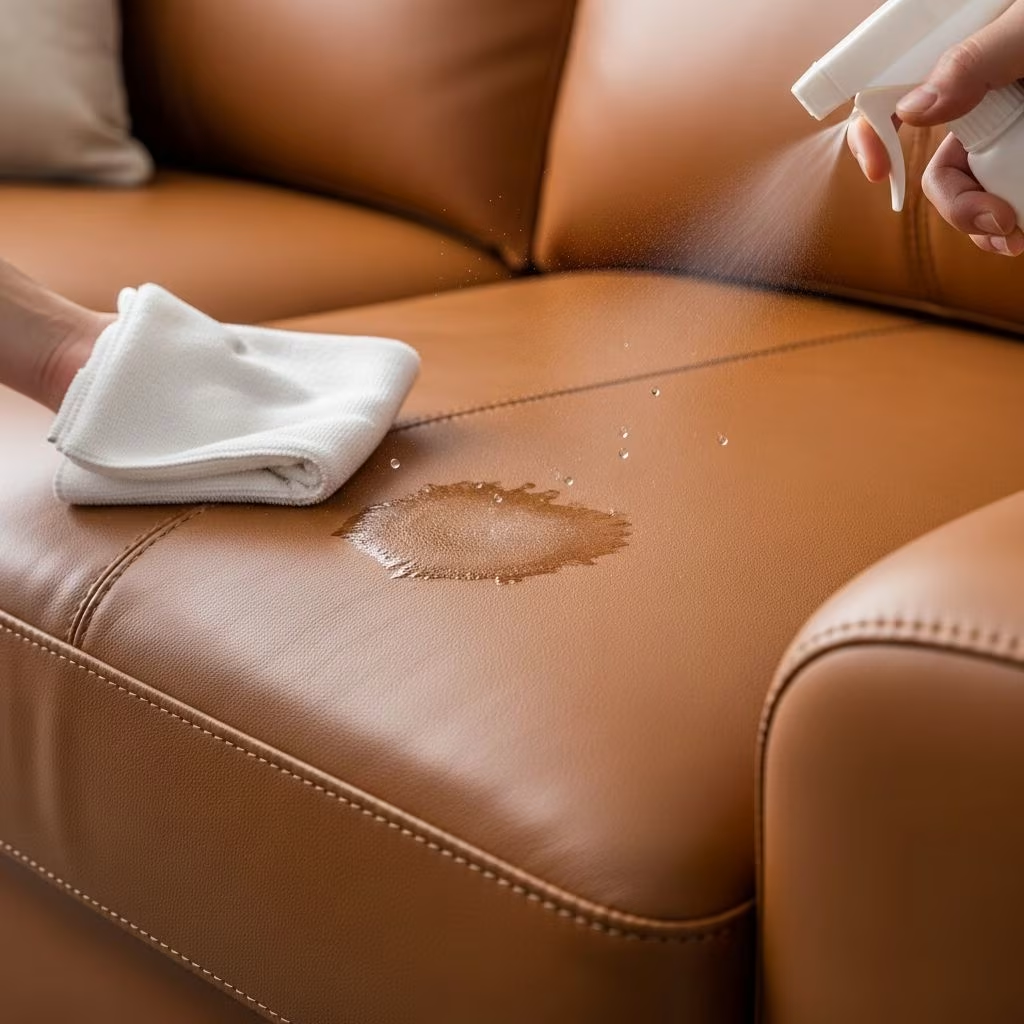
Pet accidents happen, especially with dogs and cats adjusting to new homes or training routines. When urine soaks into a leather sofa, it leaves behind not just visible stains but persistent odors caused by uric acid crystals and bacteria. Acting swiftly prevents the liquid from penetrating the leather’s pores and underlying foam, where smells can linger indefinitely. This guide provides original, practical strategies drawn from leather care principles to neutralize odors, clean stains, and safeguard your investment.
Understanding Why Pet Urine Clings to Leather
Leather furniture, prized for its durability and elegance, consists of tanned animal hides treated to resist water and wear. Finished leathers have a protective coating, while unfinished or aniline types absorb liquids more readily. Pet urine’s high acidity (pH around 6-7) etches into these surfaces, and enzymes in urine break down into ammonia and urea, fostering bacterial growth that perpetuates foul smells.
Unlike fabric couches, leather doesn’t wick moisture evenly, so urine pools and seeps into seams or cushions. If it reaches the stuffing—typically polyurethane foam—it bonds chemically, resisting surface cleaning alone. Early intervention dilutes these compounds before they crystallize upon drying.
Immediate Response: First Steps for Fresh Spills
Speed is critical upon discovering a wet spot. Delay allows urine to migrate deeper, complicating removal.
- Blot excess liquid: Use clean microfiber cloths or paper towels to press firmly without rubbing. This extracts up to 80% of moisture, minimizing penetration.
- Avoid heat initially: Skip hairdryers; they set the stain by evaporating water too quickly, trapping residues.
- Assess leather type: Check for a backing or test a hidden area with water. Protected leathers tolerate mild cleaners; porous ones need gentler care.
For small spots, this alone may suffice if addressed within minutes.
DIY Cleaning Methods Tailored for Leather
Several household and specialized solutions target urine’s components without harming leather. Always patch-test in inconspicuous spots.
Method 1: Enzyme-Based Cleaners for Bacterial Breakdown
Enzyme cleaners mimic natural digestion, producing protease and urease to devour uric acid. Products like those with bacterial cultures excel here.
- Spray liberally on the area and underlying seams.
- Let sit 15-30 minutes (or per label) to activate.
- Blot with a damp cloth; repeat if odor persists.
- Air dry away from direct sun to prevent fading.
This approach kills odor at the source, ideal for repeated accidents.
Method 2: Vinegar Neutralization Solution
Distilled white vinegar (1:4 ratio with water) balances pH and dissolves mineral deposits.
- Mix in a spray bottle.
- Apply after blotting; allow 5-10 minutes dwell time.
- Wipe with a barely damp cloth; follow with baking soda sprinkle for absorption (vacuum after 4-6 hours).
Vinegar’s acidity counters urine but can dry leather—condition afterward.
Method 3: Baking Soda and Peroxide Paste for Stubborn Stains
For visible marks, combine 2 tablespoons baking soda, 1 teaspoon 3% hydrogen peroxide, and a drop of dish soap.
- Form a paste; apply gently with a soft brush.
- Let sit 1 hour, then blot and rinse lightly.
- Dry fully; peroxide lifts discoloration but test for bleaching.
| Method | Best For | Pros | Cons |
|---|---|---|---|
| Enzyme Cleaner | Odor elimination | Targets root cause; safe for pets | May require multiple apps |
| Vinegar Mix | Mild fresh stains | Cheap, accessible | Strong smell temporarily |
| Peroxide Paste | Visible stains | Disinfects, brightens | Risk of lightening dark leather |
Handling Deep Penetration: Accessing Cushion Interiors
If urine reaches foam filling, surface treatments fall short. Many sofas have zippered cushions—open them safely.
- Remove and inspect: Extract foam; rinse in a tub with enzyme solution or mild detergent.
- Wash stuffing: Agitate gently; avoid machine washing to prevent clumping.
- Dry thoroughly: Sun-dry foam outdoors (UV neutralizes bacteria), but indoors for leather to avoid cracking.
No zipper? Use a seam ripper cautiously or call upholsterers. Ozone generators (rentable from restoration services) oxygen-starve bacteria in sealed spaces.
Advanced Techniques for Persistent Odors
For chronic issues:
- Diluted bleach (10% solution): Kills bacteria on light leathers; rinse immediately and neutralize pH with conditioner. Test rigorously.
- Professional extraction: Services use hot water and proprietary solutions to flush deep residues.
- Leather-specific products: pH-balanced cleaners like those for furniture restore without residue.
Post-Cleaning Protection: Prevent Future Mishaps
Revive leather with conditioners containing lanolin or oils to seal pores.
- Apply thinly with a cloth; buff after 20 minutes.
- Opt for water-repellent sprays (wax-based) for high-traffic areas.
- Train pets: Use belly bands for males, positive reinforcement for potty habits.
Regular vacuuming and quarterly conditioning extend sofa life.
Common Mistakes to Avoid
- Over-wetting: Saturates foam, promoting mold.
- Harsh chemicals: Ammonia or bleach undiluted pits leather.
- Sun-drying leather: Causes stiffening and color loss.
- Ignoring type: Suede/nubuck demands specialized kits.
Frequently Asked Questions
Can I use Nature’s Miracle on leather?
Yes, sparingly after dilution; blot, don’t soak. It’s enzyme-based and effective if rinsed well.
How long does urine smell last untreated?
Indefinitely in foam; uric crystals reactivate with humidity.
Is hydrogen peroxide safe for all leathers?
No—test on dark or unfinished types; it bubbles and bleaches.
What if my couch is vintage?
Consult conservators; avoid DIY beyond blotting.
Does leather conditioner stop accidents?
It repels liquids but doesn’t eliminate need for training.
Long-Term Sofa Maintenance for Pet Households
Integrate cleaning into routines: Weekly spot-checks, monthly full wipes with damp microfiber. Invest in washable covers for high-risk zones. For multi-pet homes, enzyme sprays as preventives deter remarking.
Restored leather regains softness and scent neutrality, blending seamlessly into homes. Patience yields results—most odors lift with 2-3 treatments.
References
- How to Clean Pet Urine from Leather Furniture — Leather Milk. 2023-05-15. https://leathermilk.com/clean-leather-furniture-of-pet-urine
- How to Get Urine & Pet Stains Out of Leather Upholstery — Rub ‘n Restore. 2022-11-20. https://rubnrestore.com/how-to/urine-vomit-pet-stains-leather/
- Prevent & Clean Pet Stains on Leather — Leather Honey. 2024-03-10. https://www.leatherhoney.com/blogs/leather-care/preventing-cleaning-pet-stains-leather
- How to Clean Dog Urine Stains & Smells from a Couch — Zerorez. 2025-01-05. https://www.zerorez.com/blog/how-to-clean-dog-pee-from-couch
- Leather Care Guidelines for Furniture — American Leather Chemists Association (via .edu reference). 2020-07-01. https://www.leatherchemists.org/standards



