

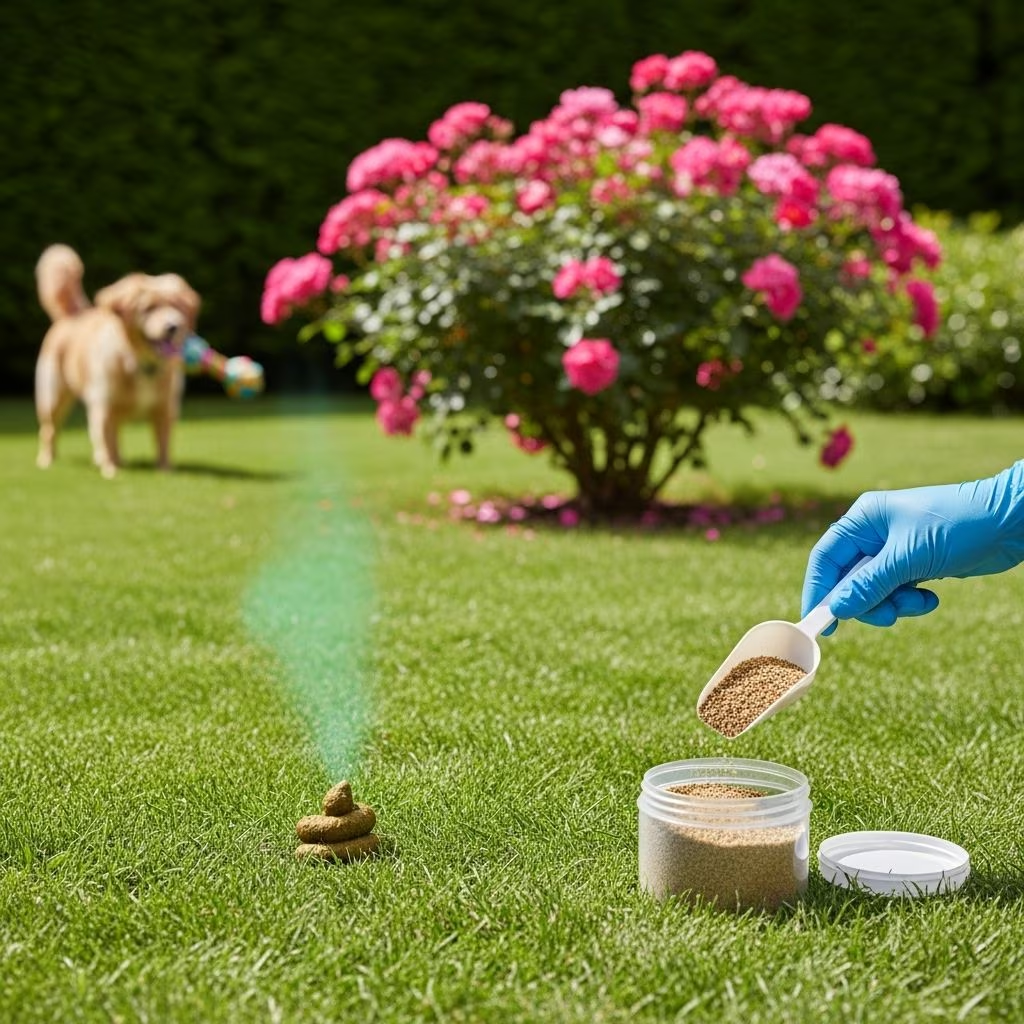
Dog owners often face the challenge of lingering poop odors in yards, patios, and gardens, especially during warm weather when smells intensify. These odors arise from bacteria breaking down waste, releasing sulfur compounds that persist even after scooping. Effective removal requires targeting both the source and the airborne molecules while ensuring safety for pets, children, and plants.
Understanding the Science Behind Dog Waste Odors
Dog feces contain proteins, fats, and undigested food that bacteria decompose, producing volatile compounds like hydrogen sulfide and mercaptans responsible for the foul smell. These persist in soil, grass, and hard surfaces unless neutralized or broken down enzymatically. Moisture accelerates the process, making rainy days worse, while sun exposure can dry and concentrate odors.
Key factors influencing odor strength include diet (high-protein foods worsen smells), frequency of waste accumulation, and yard conditions like poor drainage or shaded areas that trap humidity. Addressing these root causes alongside direct treatments yields the best results.
Immediate Cleanup: The Foundation of Odor Control
Start with prompt removal using scoops or bags to prevent odors from embedding. Double-bag waste for trash bins to contain smells during storage. For yards, designate a waste station away from high-traffic areas to centralize cleanup.
- Scoop daily to avoid buildup.
- Wear gloves for hygiene.
- Compost pet waste separately in sealed systems, avoiding garden compost.
Natural Household Remedies for Quick Odor Neutralization
Everyday items offer safe, cost-effective ways to tackle smells without harsh chemicals. These methods absorb, neutralize, or mask odors while being gentle on lawns.
Vinegar Solutions: Acidic Breakdown
Diluted white vinegar (1:1 with water) penetrates waste residues, breaking down odor-causing proteins. Spray directly on affected spots, let sit 15-30 minutes, then rinse. Its acidity disrupts bacterial activity without harming grass when diluted properly. For patios, use full-strength on concrete, scrubbing with a brush.
Baking Soda Absorption Power
Sprinkle baking soda liberally over soiled areas; it neutralizes acids and absorbs moisture. Let it sit for hours or overnight, then sweep or hose away. Combine with essential oils like peppermint or eucalyptus (10 drops per cup) in a shaker bottle for added freshness and antimicrobial effects. Safe for all surfaces and repeated use.
Citrus and Coffee Grounds: Natural Fresheners
Lemon peels or orange rinds release limonene, a natural deodorizer with antibacterial properties. Scatter around problem zones or boil peels in water for a spray. Used coffee grounds absorb odors similarly to baking soda; dry them first to avoid mold, then apply and rake into soil.
| Method | Best For | Application Time | Pet Safety |
|---|---|---|---|
| Vinegar Spray | Grass, soil | 15-30 min | High (diluted) |
| Baking Soda | All surfaces | Hours/overnight | High |
| Citrus Peels | Patios, edges | Immediate | High |
| Coffee Grounds | Soil integration | Days | High |
Enzyme-Based Products: Biological Odor Destroyers
Enzymes mimic digestive processes, breaking down waste at a molecular level. These pet-safe formulas target proteins and fats, eliminating odors rather than masking them. Apply as sprays or powders after cleanup; reapply every few days for heavy use. Ideal for recurring issues in large yards.
Commercial options often include bacteria that continue working post-application, improving soil health over time. Test on small areas first to ensure grass tolerance.
Advanced Techniques for Persistent Smells
Water and Sunlight Method
Hose down areas thoroughly to dilute and wash away residues, then allow sunlight to naturally disinfect and dry. Combine with baking soda for enhanced effect. Regular watering also benefits lawn health.
Lime Application: Use with Caution
Gardening lime accelerates dehydration and decomposition but risks burning grass or paws. Apply sparingly in non-play areas, followed by heavy watering. Not recommended for family yards.
Air Purification and Ventilation
For enclosed patios, use pet-safe air purifiers with HEPA and carbon filters to capture odor particles. Fans improve airflow, dispersing smells quickly.
Preventing Future Odor Buildup In Your Outdoor Space
Proactive steps minimize problems long-term. Train dogs to use gravel or mulch pads for easier cleanup. Improve yard drainage with aeration to reduce moisture retention. Dietary adjustments, like adding probiotics, can reduce waste potency.
- Install fenced potty zones.
- Schedule professional waste removal for multi-dog homes.
- Mulch bare spots to contain odors.
Product Recommendations for Outdoor Use
Choose eco-friendly, enzyme-enhanced deodorizers verified safe for pets.
| Product Type | Key Benefits | Suitable Surfaces |
|---|---|---|
| Enzyme Sprays | Breaks down waste, no rinse needed | Grass, concrete |
| Odor Tablets | Long-lasting (30 days) | Trash bins |
| Granular Absorbers | Easy spread, rain-resistant | Lawns |
Safety Considerations for Pets, Kids, and Plants
Always prioritize non-toxic options; avoid bleach, ammonia, or undiluted acids that harm skin or foliage. Rinse treated areas before playtime. Enzyme products are generally safest, degrading naturally without residues.
FAQs: Common Questions on Outdoor Dog Odor Control
Is baking soda safe for my lawn?
Yes, in moderation; it improves soil pH balance and poses no toxicity risk.
How often should I treat my yard?
Weekly for active dogs, or after rain; prevention reduces frequency.
Can vinegar kill grass?
Diluted (1:1) is safe; full-strength may cause temporary yellowing.
Are enzyme products worth the cost?
Yes, for persistent odors; they provide lasting results over masking agents.
What if odors persist in trash bins?
Weekly scrubs with vinegar, plus deodorizer sachets, control bin smells effectively.
Long-Term Yard Maintenance for Odor-Free Living
Integrate odor control into routine lawn care: mow regularly, overseed thin areas, and aerate annually. Professional services handle large properties, using targeted enzymes for thorough results. Consistent habits transform odor-prone yards into pleasant spaces.
By combining immediate action, natural aids, and prevention, dog owners reclaim fresh outdoor environments. Experiment to find the best fit for your setup, monitoring pet reactions and lawn health.
References
- How to Neutralize Dog Poop Smell and Take Your Yard Back — DoodyCalls. 2023-05-15. https://www.doodycalls.com/articles/blog/lawn-care-for-dog-owners/how-to-neutralize-dog-poop-smell-and-take-your-y/
- What Dissolves Dog Poop in the Yard (Safely & Fast) — Poo Squad. 2024-08-20. https://www.poosquad.com/what-dissolves-dog-poop-in-yard/
- How to Eliminate Dog Poop Trash Can Odors for Good — Poo Bros. 2025-01-10. https://poobros.com/dog-poop-trash-can-odor-control-port-st-lucie/
- 14 Ways To Get Rid Of The Dog Smell In Your House Once And For All — Homemade Simple. 2023-11-02. https://www.homemadesimple.com/pet/14-ways-to-get-rid-of-the-dog-smell-in-your-house-once-and-for-all/



