

Fleas pose a significant threat to dogs, causing discomfort, skin issues, and potential disease transmission. Effective removal requires treating the pet, home, and surroundings simultaneously using veterinarian-recommended products like topical applications, oral medications, and collars.
Recognizing Flea Presence on Your Dog
Fleas are tiny, fast-moving parasites visible as dark specks jumping on your dog’s fur. Early detection prevents escalation. Watch for these indicators:
- Intense itching and scratching, particularly around the base of the tail, groin, and armpits.
- Red, inflamed skin or hair loss from constant biting.
- Flea dirt—black specks that turn red when wet with water, resembling pepper on the coat.
- Visible fleas or pale eggs in the fur during close inspection.
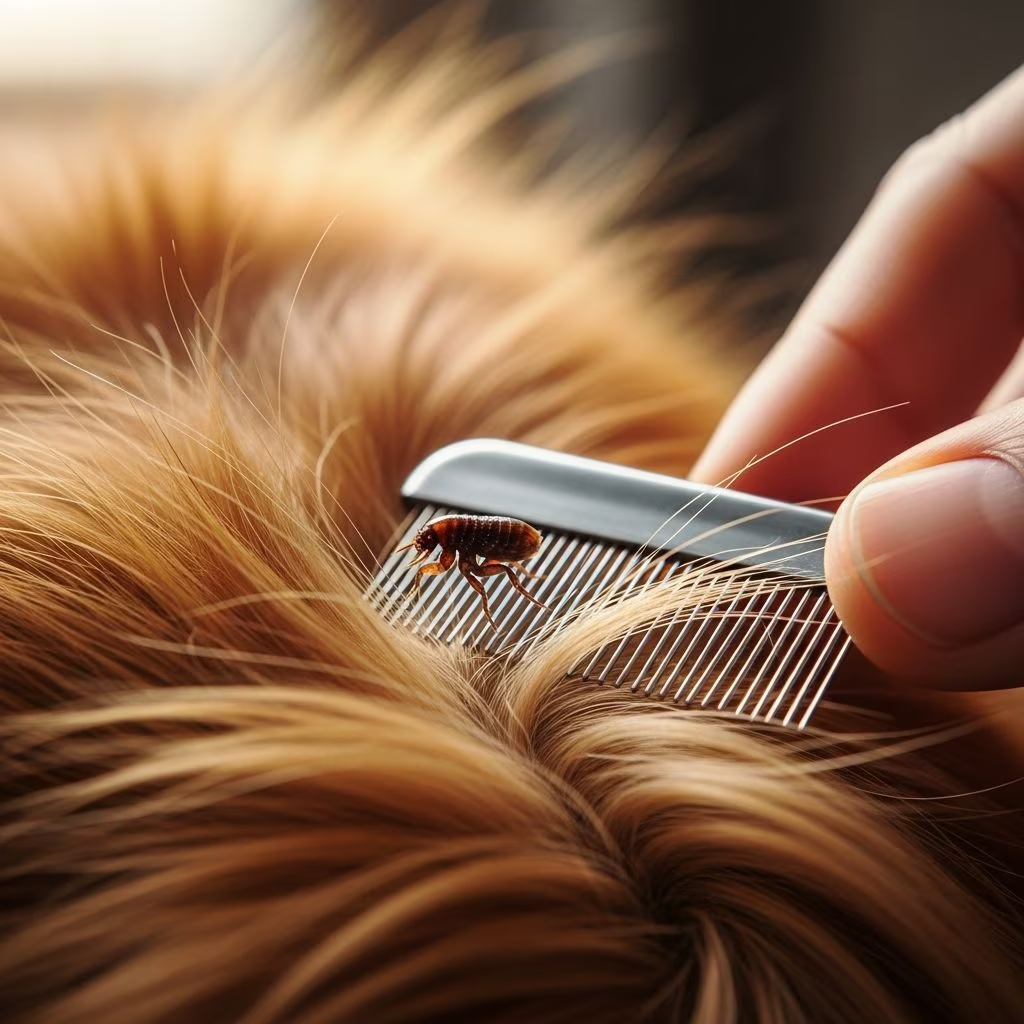
Run a fine-tooth flea comb through your dog’s coat over a white surface to collect evidence. Adults represent only 5% of the infestation; the rest hide as eggs, larvae, and pupae in the environment.
Understanding the Flea Life Cycle
Grasping the flea’s four-stage cycle—egg, larva, pupa, adult—is crucial for total eradication. Eggs fall off pets into carpets and bedding, hatching into light-sensitive larvae that feed on organic debris. Pupae form protective cocoons, emerging as adults when sensing vibrations from hosts. This cycle can persist 3-6 months indoors, explaining reinfestations.
Disrupting all stages demands integrated control: kill adults on the dog while targeting environmental immatures.
Primary Treatment Options for Dogs
Veterinarians endorse three main categories: topicals, orals, and collars. Select based on your dog’s age, weight, health, and lifestyle. Always consult a vet before starting.
Topical Spot-On Treatments
These liquid applications spread via skin oils to kill fleas and ticks. Apply monthly between shoulder blades or along the back for larger breeds. Avoid bathing 48 hours pre- and post-application.
Common ingredients include:
- Imidacloprid: Targets fleas’ nervous systems.
- Fipronil: Kills adults and prevents egg hatching.
- Permethrin: Effective against fleas, ticks, and mosquitoes.
Products like Frontline Plus start killing fleas within hours and last 30 days.
Oral Flea Medications
Chewable tablets offer convenient, systemic protection. They circulate in the blood, killing fleas upon biting. Administer monthly or every 12 weeks.
- Bravecto (fluralaner): Kills fleas in 2 hours, lasts 12 weeks.
- Credelio: Eliminates fleas in 12 hours, ticks in 8.
- Trifexis: Targets fleas plus heartworms and intestinal worms.
Ideal for dogs that swim or resist topicals.
Flea Collars
Collars like Seresto release imidacloprid and flumethrin over 8 months, killing fleas in 24 hours and ticks in 48. Efficacy may wane with frequent bathing. Suitable for puppies over 7 weeks.
Comparing Popular Flea Products
Choose based on duration, spectrum, and application ease. Here’s a comparison:
| Product | Duration | Application | Targets |
|---|---|---|---|
| Advantage Multi | Monthly | Topical | Fleas, worms, heartworms, mange |
| Bravecto | 12 weeks | Oral | Fleas, ticks |
| Frontline Plus | Monthly | Topical | Fleas, ticks |
| K9 Advantix II | Monthly | Topical | Fleas, ticks, flies, mosquitoes |
| Seresto | 8 months | Collar | Fleas, ticks |
Step-by-Step Application Guide
Proper technique ensures efficacy and safety.
- Weigh your dog and select the correct dose.
- Choose a quiet area; calm your pet with treats.
- Part fur to expose skin at the base of the skull.
- Squeeze applicator contents directly on skin; for large dogs, apply in 2-3 spots down the back.
- Prevent licking for 24-48 hours; use an e-collar if needed.
- Mark your calendar for reapplication.
For orals, hide in food; collars fit snugly without choking.
Environmental Decontamination Essentials
Treating the dog alone fails; 95% of fleas reside off-pet. Vacuum daily, focusing on cracks, furniture, and pet areas to stimulate pupae emergence. Wash bedding in hot water weekly.
Use premise sprays with insect growth regulators (IGRs) like methoprene to halt development. Apply to carpets, baseboards, and under furniture. Repeat every 14-21 days for 3-5 treatments.
Outdoor Flea Management
Yards harbor fleas in shaded, moist spots. Mow grass short, remove debris, and apply IGR sprays to dog run areas and bedding sites. Discourage wildlife like raccoons that carry fleas. Veterinary preventives reduce outdoor pickup.
Natural and Supportive Remedies
While not substitutes for pharmaceuticals, these aid control:
- Flea combs for mechanical removal.
- Diatomaceous earth (food-grade) on bedding—dehydrates fleas.
- Essential oil sprays (diluted lemongrass or cedarwood), but vet-approve to avoid toxicity.
Shampoos provide temporary relief but miss eggs.
Preventing Future Infestations
Year-round prevention is key, especially in warm climates. Administer monthly products consistently. Treat all household pets. Regular vet checkups catch issues early.
Safety Considerations and When to See a Vet
Puppies under 8 weeks, pregnant dogs, or those with health conditions need tailored advice. Watch for reactions like lethargy or seizures—stop use and seek emergency care. Severe infestations may cause anemia; pale gums warrant immediate vet visits.
Frequently Asked Questions
Can fleas live without a host?
Yes, environmental stages survive months awaiting a host.
How long until flea treatments work?
Most kill adults within 12-48 hours; full control takes weeks with environmental treatment.
Is flea prevention needed year-round?
In mild climates, yes; indoor heating sustains fleas.
Are over-the-counter products safe?
Not always; vet-prescribed are regulated for efficacy and safety.
What if my dog has flea allergies?
Strict elimination prevents dermatitis flare-ups; vet may prescribe anti-inflammatories.
References
- A Guide to Topical Flea Treatment for Dogs — Chewy.com. 2023. https://www.chewy.com/education/dog/flea-and-tick/topical-flea-treatment-dogs
- The Ultimate Guide to Flea Control for Pets — Santa Monica Vet. 2023. https://santamonicavet.com/the-ultimate-guide-to-flea-control-for-pets-pharmaceutical-and-natural-options/
- Flea Control in Dogs — VCA Animal Hospitals. 2023. https://vcahospitals.com/know-your-pet/flea-control-in-dogs
- Fleas: Treatment & Prevention — Oregon Veterinary Medical Association. 2023. https://www.oregonvma.org/care-health/companion-animals/health-safety/fleas-treatment-prevention
- The Complete Guide to Flea and Tick Prevention for Dogs — PetMD. 2023. https://www.petmd.com/dog/general-health/flea-and-tick-prevention-and-treatment-dogs
- Flea and Tick Prevention for Dogs: A Complete Guide — PetWellClinic. 2023-03-15. https://www.petwellclinic.com/wp/2023/03/15/flea-and-tick-prevention-for-dogs-a-complete-guide/
- Fleas — Cornell University College of Veterinary Medicine. 2023. https://www.vet.cornell.edu/departments-centers-and-institutes/riney-canine-health-center/canine-health-topics/fleas



