

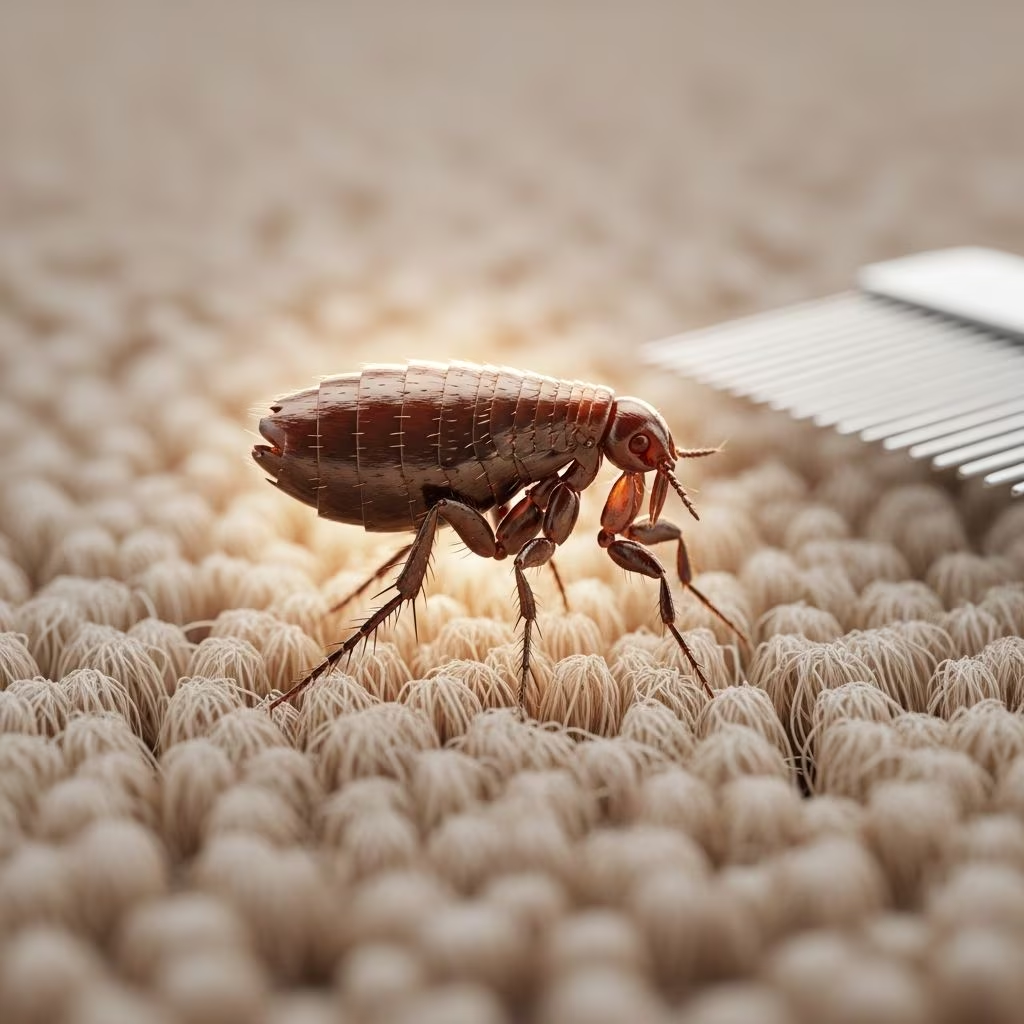
Fleas represent a persistent challenge for pet owners, rapidly multiplying in homes and causing discomfort to both animals and humans. Effective elimination demands a multi-faceted approach targeting all life stages—eggs, larvae, pupae, and adults—across indoor and outdoor environments. This guide outlines practical, evidence-based steps drawn from authoritative sources to restore a flea-free household.
Grasping the Flea Life Cycle
Understanding flea biology is foundational to control. Adult fleas feed on pet blood, laying up to 50 eggs daily that fall into surroundings. These hatch into larvae feeding on organic debris, then pupate in protective cocoons before emerging as adults. This cycle, lasting 2-3 weeks under ideal conditions, explains why partial treatments fail.
Focus efforts on high-risk zones like pet resting spots, as 95% of fleas reside off the host in various stages. Daily disruption through cleaning prevents maturation.
Initial Detection and Assessment
Spot infestations early via signs like excessive pet scratching, flea dirt (dark specks turning red in water), or bites on ankles. Use the white sock test: walk barefoot indoors; fleas jump visibly. Check pet coats with a fine-tooth comb dipped in soapy water.
- Inspect neck, belly, and tail base on pets.
- Examine carpets, cracks, and upholstery for debris.
- Monitor multiple rooms, prioritizing pet-frequented areas.
Pet Treatment Essentials
Treat all household pets simultaneously to avoid reservoirs. Consult veterinarians for age-appropriate products like oral fast-killers or monthly preventives. Bathe with mild dish soap to drown adults, followed by combing.
| Method | Benefits | Frequency |
|---|---|---|
| Flea comb | Removes adults mechanically; safe for kittens/puppies | Daily |
| Topical/oral meds | Kills on contact; prevents eggs | Monthly |
| Soap bath | Drowns fleas instantly | Weekly initially |
Keep pets indoors during home treatments to minimize re-exposure.
Indoor Cleaning Protocols
Vacuuming stands as the cornerstone, capturing 95% of eggs and larvae while stimulating pupae to emerge. Target carpets, furniture crevices, baseboards, and under furniture daily for 2 weeks.
- Empty vacuum outdoors immediately into sealed bags.
- Wash pet/human bedding in hot water (>140°F) weekly.
- Steam clean carpets post-vacuuming to kill all stages via heat.
For upholstery, lift cushions and vacuum thoroughly. Discard infested bedding if severe.
Chemical and Natural Interventions Indoors
Insect Growth Regulators (IGRs) like methoprene or pyriproxyfen disrupt larval development when applied to carpets via sprays or aerosols. Avoid foggers lacking IGRs, as they miss deep fibers.
Natural options include:
- Diatomaceous earth (food-grade): Dehydrates fleas; apply to carpets, vacuum after 48 hours.
- Baking soda/salt mix: Desiccates eggs; sprinkle, wait 24 hours, vacuum.
- Lemon spray: Natural repellent; boil lemons, strain, spray surfaces.
Re-vacuum 10-14 days post-treatment to catch emergents.
Bedroom and Furniture Focus
Beds harbor fleas via pet visits. Launder all linens hot, vacuum mattresses/box springs, and apply pet-safe sprays. For sofas/chairs, steam or IGR-treat unwashables.
Outdoor and Yard Management
Fleas thrive in shaded, moist yards. Modify landscapes:
- Mow grass short; rake leaves/debris weekly.
- Avoid overwatering; fix drainage issues.
- Trim bushes; create sunny, dry zones away from home.
- Secure trash; deter wildlife like raccoons with tight lids.
Treat soil with IGR sprays or beneficial nematodes (flea predators). Focus on pet paths and under decks.
Integrated Pest Management Approach
Adopt IPM for sustainable results: monitor, sanitize, target minimally. Vacuum over sprays; use traps (light + soapy water) to gauge progress. Combine with pet preventives for 3 months minimum.
| Zone | Primary Action | Source Recommendation |
|---|---|---|
| Indoors | Daily vacuum + IGR | EPA, UC IPM |
| Pets | Comb + vet meds | AVMA via CR |
| Yard | Mow + nematodes | CDC via CR |
Preventing Future Infestations
Year-round vigilance: monthly pet preventives, bi-weekly bedding washes, weekly yard raking. Indoor humidity below 50% deters breeding. Regular grooming catches stragglers.
Frequently Asked Questions
How long does flea elimination take?
Typically 2-4 weeks with consistent effort, as pupae emerge asynchronously. Persist vacuuming 4 weeks minimum.
Are foggers effective?
Limited without IGRs; prefer direct sprays for penetration.
Can humans get fleas?
Yes, bites cause itchy welts; treat environment promptly.
Safe for kids/pets during treatment?
Vacuum/natural first; vacate during chemical apps, ventilate 4-6 hours.
What if infestation persists?
Consult pros; may indicate resistance or missed areas.
Potential Risks and Precautions
Chemicals pose inhalation risks; use PPE, follow labels. Natural remedies may irritate sensitive pets—test patches. Over-reliance on one method fails; integrate all.
Maintain records of actions/products for vet/pest control consultations.
References
- Controlling Fleas and Ticks Around Your Home — US EPA. 2023. https://www.epa.gov/pets/controlling-fleas-and-ticks-around-your-home
- Fleas / Home and Landscape — UC Statewide IPM Program. 2024. https://ipm.ucanr.edu/home-and-landscape/fleas/
- The Comprehensive Guide to Flea Control: Home Remedies — Petful. 2023. https://www.petful.com/pet-health/home-remedies-for-fleas/
- Flea Treatment Prep Guide for Homeowners — Active Pest Control. 2024. https://activepestcontrol.com/flea-exterminators/preparing-for-flea-treatment/
- How to Flea-Proof Your Pet, Home, and Lawn — Consumer Reports. 2024-01-15. https://www.consumerreports.org/home-garden/pest-control/how-to-flea-proof-your-pet-home-and-lawn-a1173710086/
- How To Get Rid of a Flea Infestation — PetMD. 2025. https://www.petmd.com/general-health/flea-infestation



