Eliminate Fleas from Your Home
Comprehensive strategies to eradicate fleas indoors, protect pets, and prevent reinfestation for a flea-free household.
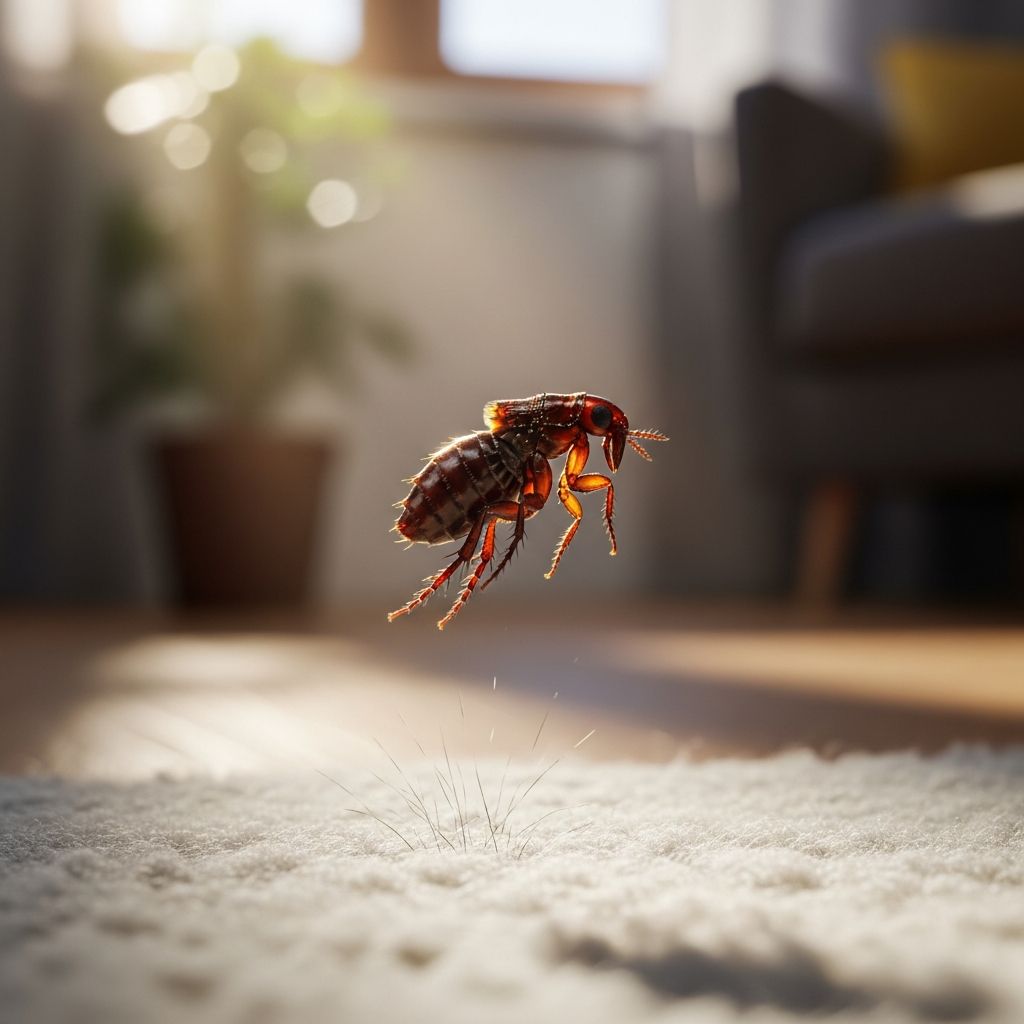
Fleas pose a persistent challenge for pet owners, rapidly multiplying in household environments and causing discomfort to both animals and humans. Effective control demands a multi-faceted approach targeting all life stages—eggs, larvae, pupae, and adults—through sanitation, mechanical removal, and targeted treatments. This guide outlines practical, evidence-based methods to restore a flea-free home.
Grasping the Flea Life Cycle
Adult fleas represent only about 5% of an infestation, spending most of their time on pets while laying eggs that fall into the environment. Eggs hatch into larvae that feed on organic debris like flea feces, then spin pupae cocoons resilient to many treatments. Pupae emerge as adults when stimulated by heat, vibration, or carbon dioxide. Disrupting this cycle at multiple points is crucial for success.
Starting with Pet Treatment
Treat all pets first to halt the flea-feeding source. Bathe dogs and cats using mild dish soap like Dawn, which suffocates fleas by reducing water’s surface tension, followed by a fine-toothed metal flea comb dipped in soapy water. Consult a veterinarian for prescription topicals, orals, or collars containing ingredients like fipronil or imidacloprid. Regular vet check-ups ensure safe, effective options tailored to your pet’s health.
- Bathe pets weekly until fleas are gone.
- Comb neck, belly, and tail base daily.
- Apply vet-recommended preventives monthly.
Intensive Cleaning Protocols
Daily vacuuming removes up to 60% of eggs and 30% of larvae from carpets, while killing adults through mechanical action. Focus on pet resting spots, under furniture, baseboards, and cracks. Empty vacuum bags or canisters outside immediately to prevent re-infestation.
Wash all pet bedding, throws, and human linens where pets lie in hot, soapy water weekly, drying on high heat. For severe cases, discard and replace infested bedding.
| Area | Cleaning Frequency | Method |
|---|---|---|
| Carpets & Rugs | Daily | Vacuum thoroughly, steam clean weekly |
| Furniture | Daily | Vacuum crevices, lift cushions |
| Pet Bedding | Weekly | Hot wash & dry |
| Floors (hard) | Daily | Sweep & mop with soap |
Steam Cleaning for Deep Removal
Steam cleaning carpets and upholstery kills fleas across all stages using heat above 120°F combined with soap. Prioritize areas under furniture and pet zones. Allow 24 hours drying before re-vacuuming. This non-chemical method complements other strategies effectively.
Chemical and Biological Controls
For heavy infestations, apply insecticides with Insect Growth Regulators (IGRs) like methoprene or pyriproxyfen. These prevent larvae maturation and are safe indoors when label-directed. Spray cracks, crevices, baseboards, and pet areas—avoid broadcast fogging, ineffective for fleas.
Diatomaceous earth (food-grade) desiccates fleas; sprinkle lightly in corners and vacuum after 48 hours. Use traps with sticky pads and lights near pet beds for monitoring, though not standalone solutions.
Monitoring Progress and Maintenance
Wear white socks in suspect areas to spot jumping fleas. Deploy sticky traps to gauge populations. Repeat full cleaning/treatment every 14 days for 4-6 weeks, as pupae emerge unpredictably. Maintain with weekly vacuums and consistent pet preventives.
Preventing Future Infestations
Year-round pet preventives block reintroduction. Mow lawns, remove debris outdoors, and treat shaded yard spots if needed. Integrated Pest Management (IPM) emphasizes sanitation over chemicals for sustainable control.
Frequently Asked Questions
Can I use flea bombs?
Avoid foggers; they miss cracks and don’t penetrate cocoons effectively. Directed sprays with IGRs outperform them.
How long until fleas are gone?
Expect 2-4 weeks with diligent effort; pupae delay full elimination.
Are natural remedies enough?
Lemongrass or cedar oils repel but rarely eradicate. Combine with proven methods.
What if I have allergies?
Opt for mechanical methods first; consult pros for chemicals.
Do fleas affect humans?
They bite but can’t reproduce on us; treat via pets/environment.
Step-by-Step Action Plan
- Day 1: Treat pets, vacuum entire home, wash bedding.
- Days 2-7: Daily vacuum, monitor with socks/traps.
- Day 7: Steam clean, apply IGR if needed.
- Day 14: Repeat vacuum/treat.
- Ongoing: Weekly maintenance.
Consistency yields results; persistence breaks the cycle.
References
- Controlling Fleas and Ticks Around Your Home — US EPA. 2023-10-05. https://www.epa.gov/pets/controlling-fleas-and-ticks-around-your-home
- Control Fleas on Your Pet, in Your House, and in Your Yard — Mississippi State University Extension. 2022-08-15. https://extension.msstate.edu/publications/control-fleas-your-pet-your-house-and-your-yard
- Fleas: The Ultimate Guide — PF Harris. 2024-01-12. https://pfharris.com/blog/fleas-the-ultimate-guide
- How to Flea-Proof Your Pet, Home, and Lawn — Consumer Reports. 2023-06-20. https://www.consumerreports.org/home-garden/pest-control/how-to-flea-proof-your-pet-home-and-lawn-a1173710086/
- Controlling Fleas — Texas A&M AgriLife Extension Service. 2023-11-10. https://agrilifeextension.tamu.edu/library/insects/controlling-fleas/
- Fleas / Home and Landscape — UC Statewide IPM Program. 2024-02-28. https://ipm.ucanr.edu/home-and-landscape/fleas/
- Flea Management for Homeowners — University of Arkansas Extension. 2023-05-18. https://uaex.uada.edu/farm-ranch/pest-management/docs/Flea%20Management%20for%20Homeowners%20HANDOUT.pdf
Similar Articles





Read full bio of Sneha Tete