

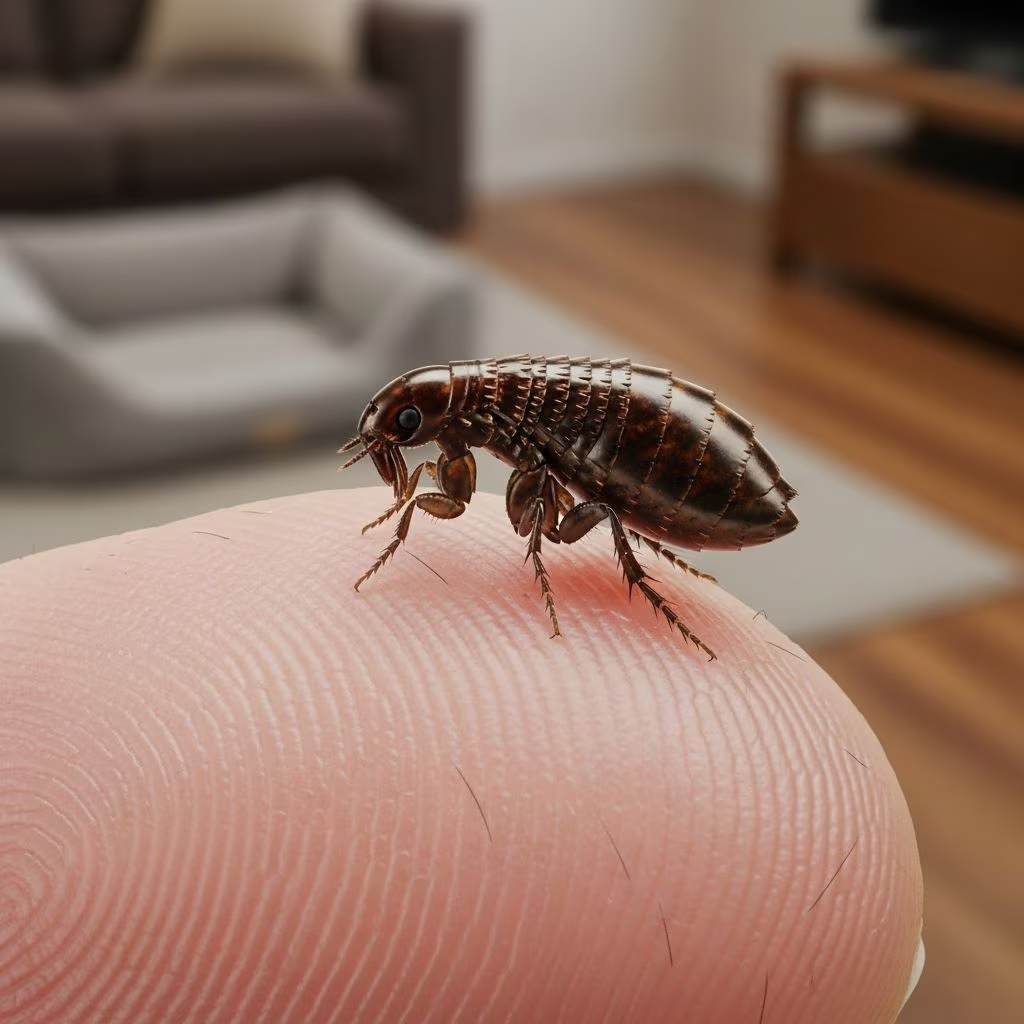
Fleas pose a significant challenge for pet owners, rapidly multiplying in homes and causing discomfort to animals and humans alike. Effective elimination requires targeting all life stages—eggs, larvae, pupae, and adults—through consistent cleaning, targeted treatments, and preventive measures. This guide outlines practical steps grounded in expert recommendations to restore a flea-free environment.
Understanding the Flea Life Cycle
Fleas complete their life cycle in 2-3 weeks under ideal conditions, with females laying up to 50 eggs daily that fall off pets into carpets, furniture, and bedding. Larvae feed on organic debris, pupae remain dormant until stimulated, and adults seek blood meals. Breaking this cycle demands comprehensive action indoors and outdoors.
Essential Daily Cleaning Routines
Regular maintenance disrupts flea reproduction. Vacuuming stands out as the cornerstone of control, physically removing up to 95% of eggs and larvae while vibrations prompt pupae to hatch for subsequent capture.
- Target carpets, rugs, upholstered furniture, baseboards, cracks, and pet resting areas daily.
- Empty vacuum bags or clean canisters immediately outdoors in soapy water to prevent re-infestation.
- Steam clean carpets and pet bedding weekly; heat kills all stages effectively.
Wash all pet and human bedding in hot, soapy water every 2-3 weeks, drying on high heat. For severe cases, replace old pet bedding entirely.
Desiccant Powders for Dehydration
Non-toxic powders like diatomaceous earth (food-grade silica) and salt dehydrate fleas by absorbing moisture. Sprinkle liberally on carpets, furniture, and lawns, allow 24-48 hours dwell time, then vacuum thoroughly.
| Method | Application | Pros | Cons |
|---|---|---|---|
| Diatomaceous Earth | Carpets, bedding, yard | Safe, non-toxic, kills by drying | Dusty; avoid inhalation |
| Salt | Carpets, upholstery | Readily available, dehydrates fleas | Not for severe infestations alone |
| Baking Soda | Furniture, rugs | Dehydrates, inexpensive | Limited efficacy standalone |
Boric acid targets feeding larvae (about 35% of population) but requires caution around infants and may harm fabrics.
Natural Repellents and Sprays
Citrus-based solutions, such as diluted lemon juice or peels extracts (linalool, D-limonene), repel fleas indoors when sprayed on surfaces. Test pet-safe products first, avoiding cats sensitive to citrus. Vinegar-water mixes (3-4% vinegar) reduce outdoor populations when applied to yards.
- Recipe: Mix 1 part lemon juice with 2 parts water; spray daily on pet areas.
- Cedar shavings in pet beds deter fleas via natural oils without harming animals.
Avoid unproven remedies like garlic, which can toxify pets, or essential oils lacking evidence.
Outdoor Flea Management
Fleas thrive in shaded, moist yard areas. Mow lawns short, remove debris, and treat with diatomaceous earth or sulfur powder (use sparingly to avoid pet ingestion). Dish-soap traps—shallow bowls of soapy water under lights or pet beds—attract and drown adults overnight.
Spray vinegar solutions around foundations weekly for prevention.
Pet Treatments and Flea Combs
Treat pets concurrently with vet-approved topicals or orals to kill adults. Use flea combs daily, focusing on neck and tail, dipping catches in soapy water. Regular baths with mild shampoo remove fleas without resistance buildup.
Advanced Strategies for Stubborn Infestations
For heavy cases, combine vacuuming with insect growth regulators (IGRs) that sterilize females and halt development. Professional exterminators provide targeted applications when home efforts fall short. Monitor progress with white sock tests: drag across carpets; fleas indicate ongoing issues.
Prevention Plan for Long-Term Success
Year-round prevention includes monthly pet preventives, weekly vacuums, and seasonal yard treatments. Seal entry points and maintain low yard humidity.
- Monthly: Pet flea meds, wash bedding.
- Weekly: Vacuum, steam clean.
- Seasonally: Outdoor sprays, traps.
Frequently Asked Questions
Can baking soda alone eliminate fleas?
Baking soda dehydrates fleas when vacuumed from carpets but insufficient for complete removal, especially severe cases.
Is diatomaceous earth safe for homes with pets?
Food-grade DE is non-toxic if used as directed, but keep pets away during application and vacuum residues.
How long does flea elimination take?
Expect 2-4 weeks with diligent routines; pupae can delay full eradication.
Do natural remedies work as well as chemicals?
They support mild cases and maintenance but pair with cleaning for best results; professionals handle severe infestations.
Why do fleas persist after treatment?
Hatching eggs and pupae require ongoing vacuuming to break the cycle.
Monitoring and Follow-Up
Inspect pets weekly with combs and tape tests on furniture. Persistent fleas signal need for IGRs or pros. Consistency yields flea-free homes.
References
- Controlling Fleas and Ticks Around Your Home — US EPA. 2023. https://www.epa.gov/pets/controlling-fleas-and-ticks-around-your-home
- Natural Flea Remedies for Your Home — WebMD. 2024. https://www.webmd.com/pets/ss/slideshow-fleas-natural-remedies
- How to Get Rid of Fleas in the House — Active Pest Control. 2024. https://activepestcontrol.com/flea-exterminators/elimination/
- Get Rid Of FLEAS Forever Guaranteed Results — YouTube (Video Transcript). 2023. https://www.youtube.com/watch?v=tBI5g_5s9kM
- 11 Home Remedies for Fleas and Ticks That Actually Don’t Work — PetMD. 2024. https://www.petmd.com/parasites/flea-and-tick-treatments-that-dont-work



