

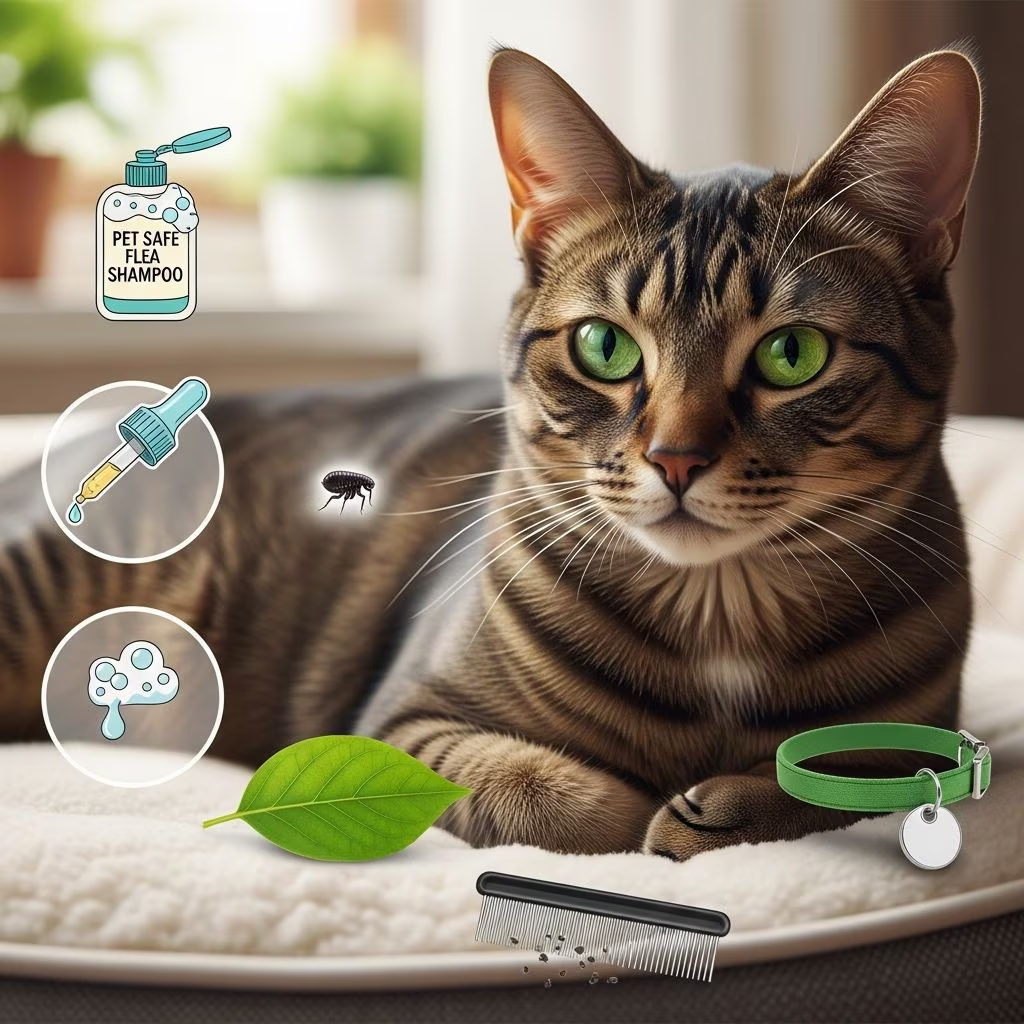
Fleas pose a persistent threat to pets and households, causing discomfort, itching, and potential health issues. Effective control requires targeting all life stages—eggs, larvae, pupae, and adults—across pets, indoors, and outdoors. This guide outlines comprehensive strategies for detection, treatment, and long-term prevention.
Recognizing Flea Infestations Early
Early detection prevents widespread problems. Watch for excessive scratching, red skin, hair loss, or flea dirt—dark specks that turn red when wet. Use a flea comb to check your pet’s fur, especially around the neck, belly, and tail base. In homes, signs include jumping insects on floors or furniture.
Treating Your Pets Effectively
Pets are primary flea hosts, so start treatment there. Combine mechanical removal with targeted products for best results.
- Flea Combs and Bathing: Fine-toothed combs remove adults; dip in soapy water to kill them. Mild soap baths suffocate fleas, ideal for mild cases.
- Topical Applications: Spot-on treatments like those with imidacloprid, fipronil, or selamectin spread via skin oils, killing adults and preventing egg hatch. Apply monthly between shoulder blades.
- Oral Medications: Chewables with spinosad, afoxolaner, or lufenuron disrupt flea life cycles. Fast-acting options kill within hours; administer monthly.
- Collars: Imidacloprid-flumethrin collars provide 8-month protection, killing fleas in 24 hours.
Consult a vet before use, especially for puppies, kittens, or pets with health conditions. Avoid dog products on cats.
Indoor Flea Eradication Strategies
Indoor environments harbor 95% of fleas in eggs/larvae stages. Thorough cleaning is crucial.
- Vacuum daily: Carpets, rugs, furniture, cracks, under cushions, and pet areas. Removes 60% eggs, 30% larvae; discard bags immediately.
- Wash bedding in hot, soapy water weekly; dry on high heat.
- Apply adulticides + Insect Growth Regulators (IGRs) like methoprene or pyriproxyfen to cracks, baseboards, and pet zones. Repeat every 2 weeks for heavy infestations.
Steam cleaning enhances egg/larvae removal. Low-toxicity citrus sprays offer temporary contact kill.
Outdoor Flea Management
Yards sustain infestations. Focus on shaded, moist areas where pets rest.
| Method | Application | Target Stages |
|---|---|---|
| Granular IGRs | Lawn, soil | Eggs, larvae, adults |
| Diatomaceous Earth (DE) | Shaded spots, bedding | Adults (dehydrates) |
| Nematodes | Moist yards | Larvae |
Mow lawns short, remove debris, and water less to dry out areas. Pet-safe granules are preferable over sprays.
Natural and Low-Toxicity Options
For eco-conscious owners, natural remedies complement chemical treatments.
- Diatomaceous Earth: Food-grade powder dehydrates fleas; sprinkle on carpets/furniture, vacuum after 48 hours.
- Essential Oils: Citrus-based (limonene/linalool) sprays for rugs; dilute properly to avoid pet irritation.
- Nematodes: Beneficial worms eat larvae in soil; apply via hose-end sprayer.
These lack residual effects, so pair with preventives.
Understanding the Flea Life Cycle
Fleas complete cycles in 2-3 weeks under ideal conditions. Adults (5%) live on pets; eggs (50%) fall off, larvae (35%) feed on debris, pupae (10%) are resilient cocoons. Breaking this cycle via IGRs prevents reinfestation.

Prevention for a Flea-Free Future
Year-round prevention is essential, even in winter due to indoor heating.
- Monthly vet-recommended preventives on all pets.
- Weekly vacuum/wash routines.
- Inspect visitors’ pets; quarantine new animals.
- Seal home cracks; use yard barriers.
Common Mistakes to Avoid
- Treating pets only, ignoring environment.
- Skipping vacuum bag disposal.
- Using expired or wrong-species products.
- Overlooking yards.
Frequently Asked Questions (FAQs)
Can fleas live without a pet host?
Yes, up to 2 weeks as adults, longer in other stages.
How often should I vacuum during treatment?
Daily initially, then weekly.
Are flea collars safe for puppies?
Check labels; most for 7+ weeks.
What if treatments don’t work?
Consult a vet; resistance or missed areas may be issues.
Do natural remedies kill all flea stages?
No, they mainly target adults; use IGRs for completeness.
Health Risks of Fleas
Beyond itching, fleas transmit tapeworms, cause anemia in puppies, and trigger allergies. Severe cases lead to flea allergy dermatitis.
References
- Control Fleas on Your Pet, in Your House, and in Your Yard — Mississippi State University Extension. 2023. https://extension.msstate.edu/publications/control-fleas-your-pet-your-house-and-your-yard
- The Ultimate Guide to Flea Control for Pets: Pharmaceutical and Natural Options — Santa Monica Vet. 2024. https://santamonicavet.com/the-ultimate-guide-to-flea-control-for-pets-pharmaceutical-and-natural-options/
- Controlling Fleas — Texas A&M AgriLife Extension Service. 2023. https://agrilifeextension.tamu.edu/library/insects/controlling-fleas/
- Fleas: Treatment & Prevention — Oregon Veterinary Medical Association. 2024. https://www.oregonvma.org/care-health/companion-animals/health-safety/fleas-treatment-prevention
- How To Get Rid of Fleas — RSPCA. 2025. https://www.rspca.org.uk/adviceandwelfare/pets/general/fleas
- Understanding the Risks: Comprehensive Guide to Fleas and Ticks for Pet Owners — Southern Hearts Veterinary. 2024. https://southernheartsvet.com/understanding-the-risks-comprehensive-guide-to-fleas-and-ticks-for-pet-owners/
- The Complete Guide to Flea and Tick Prevention and Treatment for Dogs — PetMD. 2025. https://www.petmd.com/dog/general-health/flea-and-tick-prevention-and-treatment-dogs



