

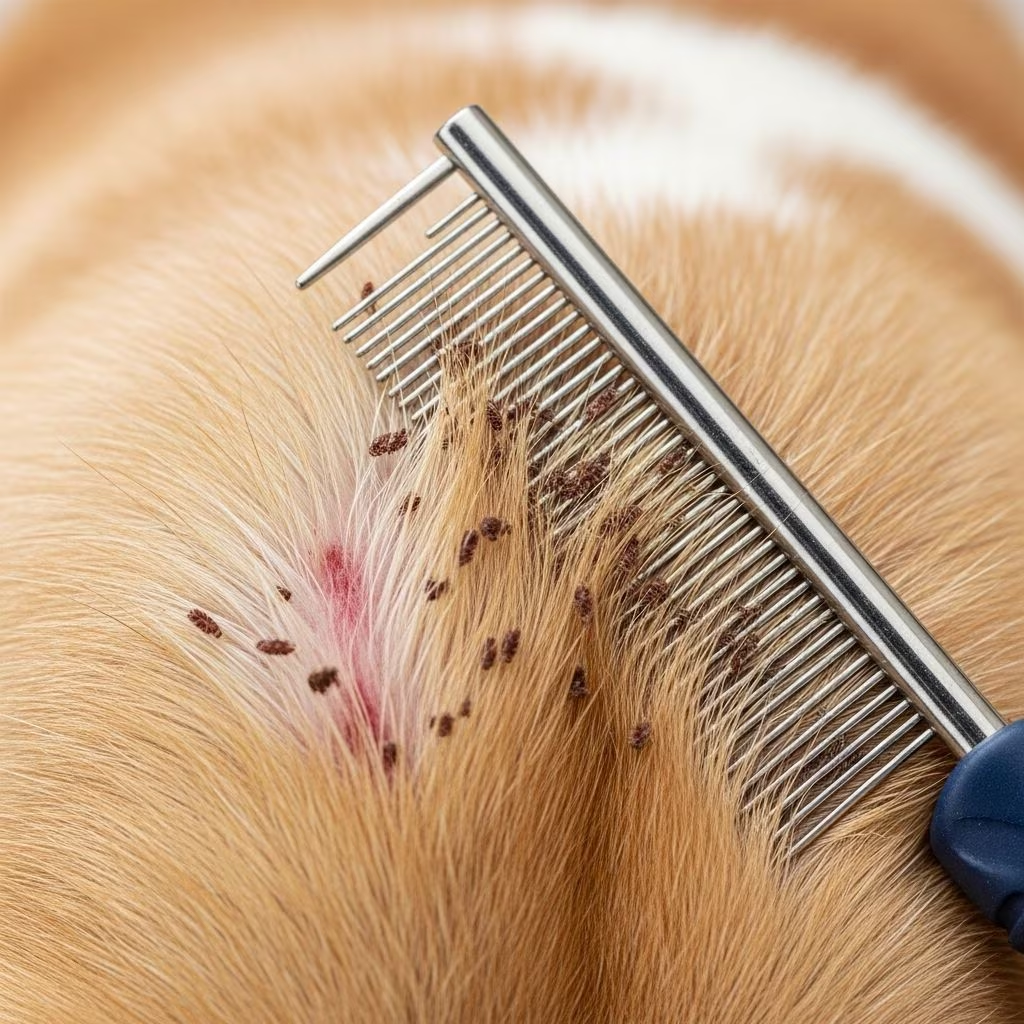
Flea dirt consists of dried flea feces, primarily undigested blood, appearing as tiny black specks on a dog’s coat. Identifying and removing it promptly prevents skin irritation, allergic reactions, and flea reproduction in the home.
Understanding Flea Dirt and Its Dangers
Flea dirt forms when adult fleas feed on your dog’s blood and excrete it as dark, pepper-like granules. These specks confirm an active flea presence, as each female flea can lay up to 50 eggs daily, leading to rapid infestations. Beyond aesthetics, flea dirt signals potential health risks: it can cause flea allergy dermatitis, characterized by intense itching, hair loss, and secondary infections. In severe cases, heavy infestations lead to anemia, especially in puppies.
To confirm flea dirt, place suspected specks on a wet paper towel; they turn reddish-brown due to the blood content, distinguishing them from regular debris.
Prime Locations for Flea Dirt on Dogs
Fleas target warm, sheltered areas with less fur density. Routine checks in these spots enable early detection.
- Base of the Tail: Fleas congregate here due to frequent wagging, trapping dirt in the fur.
- Groin and Belly: Thin-skinned areas with sparse hair provide ideal hiding spots for flea waste.
- Armpits and Inner Legs: Moisture and warmth attract fleas, accumulating gritty residues.
- Behind Ears and Neck: These crevices offer protection, often showing clustered black dots near the skin.
Part the fur gently with your fingers or a flea comb during weekly grooming sessions to inspect thoroughly.
Step-by-Step Guide to Removing Flea Dirt
Swift action combines physical removal, bathing, and combing for immediate relief. Always consult a veterinarian before starting, especially if using recent topical treatments, as bathing may reduce efficacy.
1. Gather Essential Tools
Prepare a flea comb, mild pet shampoo (flea-specific if approved), lukewarm water, towels, and gloves. Avoid human shampoos, which disrupt skin pH.
2. Initial Flea Combing
Before wetting the coat, comb dry fur in the direction of hair growth, focusing on infested areas. Dip the comb in soapy water after each pass to drown fleas and dislodge dirt. This removes up to 60% of debris without spreading it.
3. Thorough Bathing Process
Wet the coat completely, apply shampoo, and lather for 5-10 minutes to suffocate fleas. Rinse multiple times to eliminate residue, which can irritate skin. For sensitive dogs, use oatmeal-based formulas.
| Step | Action | Tips |
|---|---|---|
| 1. Wet Coat | Use lukewarm water | Avoid hot water to prevent stress |
| 2. Shampoo | Massage into skin | Focus on neck down to avoid eye contact |
| 3. Rinse | Repeat until clear | Check for soap pockets |
| 4. Dry | Towel pat, air dry | Use low-heat dryer if tolerated |
4. Post-Bath Combing and Treatment
Once dry, comb again to capture remaining particles. Apply vet-prescribed topicals or oral preventives like isoxazolines (e.g., Bravecto, NexGard) for ongoing control.
Environmental Cleaning to Break the Cycle
Dogs shed flea eggs and dirt into surroundings, where 95% of the infestation resides off the pet. Comprehensive home treatment is crucial.
- Launder Bedding: Wash in hot water (140°F+) weekly; dry on high heat to kill all stages.
- Vacuum Daily: Target carpets, furniture cracks, and baseboards. Empty the canister outdoors immediately.
- Spray Safely: Use pet-friendly sprays with insect growth regulators (IGRs) on non-living surfaces. Avoid over-the-counter aerosols near pets.
- Groom Accessories: Soak collars and toys in hot, soapy water; scrub leashes.
Treat all household pets simultaneously to prevent ping-ponging.
Prevention Strategies for a Flea-Free Life
Consistent preventives outperform reactive treatments. Year-round protection, even in winter, curbs indoor breeding.
Veterinary-Recommended Products
- Oral Medications: Isoxazolines kill fleas within hours via nervous system disruption. Safe for most dogs over 8 weeks.
- Topicals: Fipronil-based spot-ons provide 30-day coverage, repelling fleas on contact.
- Collars: Slow-release options offer multi-month protection without monthly dosing.
Natural Adjuncts
Essential oil sprays (e.g., cedar, lemongrass) complement chemicals but lack standalone efficacy. Always dilute and patch-test.
Lifestyle Habits
- Weekly flea comb baths during high-risk seasons (spring-fall).
- Mow lawns short; remove yard debris where fleas thrive.
- Inspect after boarding or dog parks.
Common Mistakes and How to Avoid Them
Partial treatments perpetuate problems. Key pitfalls include:
- Ignoring the environment: Kills pet fleas but ignores eggs hatching later.
- Over-bathing: Strips natural oils, worsening irritation.
- Using human products: Causes chemical burns or inefficacy.
- Delaying vet consults: Misses underlying allergies or resistances.
When to Seek Professional Help
If scratching persists post-treatment, hair loss spreads, or pale gums appear, visit a vet. Diagnostics rule out tapeworms (flea-transmitted) or severe dermatitis. Professionals offer prescription-strength options and skin scrapes for confirmation.
Frequently Asked Questions (FAQs)
What if my dog has no visible fleas but flea dirt?
Fleas hide or jump off during checks. Dirt indicates recent activity; treat as an infestation.
Can flea dirt harm humans?
Minimal risk, but tapeworm larvae transmit via flea ingestion. Wash hands post-handling.
How long until flea dirt disappears after treatment?
1-2 weeks with full protocol; monitor via combs.
Is diatomaceous earth safe for dogs?
Food-grade yes, but inhale risks exist. Vet approval needed.
Do indoor dogs need flea prevention?
Yes; fleas enter via shoes, wildlife. Year-round use advised.
Long-Term Monitoring and Maintenance
Monthly vet check-ups track efficacy. Rotate products if resistance suspected, per professional guidance. A flea journal logs sightings, aiding pattern recognition.
By integrating detection, removal, environmental control, and prevention, dog owners achieve flea-free homes. Patience yields results, restoring pet comfort swiftly.
References
- Flea Dirt on Dogs: What It Is and How to Remove It — BioPower Pet. 2024. https://biopowerpet.com/blogs/news/flea-dirt-on-dogs
- What Is Flea Dirt? (Besides Super Gross, That Is) — Chewy. 2023-10-15. https://www.chewy.com/education/cat/flea-and-tick/what-is-flea-dirt
- The REAL Way to Remove Fleas From Your Dog — Grooming By Rudy (YouTube). 2025-12-19. https://www.youtube.com/watch?v=UVXTAPSPVgI
- Tips to Help Keep Your Dog Protected from Fleas — FRONTLINE®. 2025. https://frontline.com/flea-protection-dogs



