

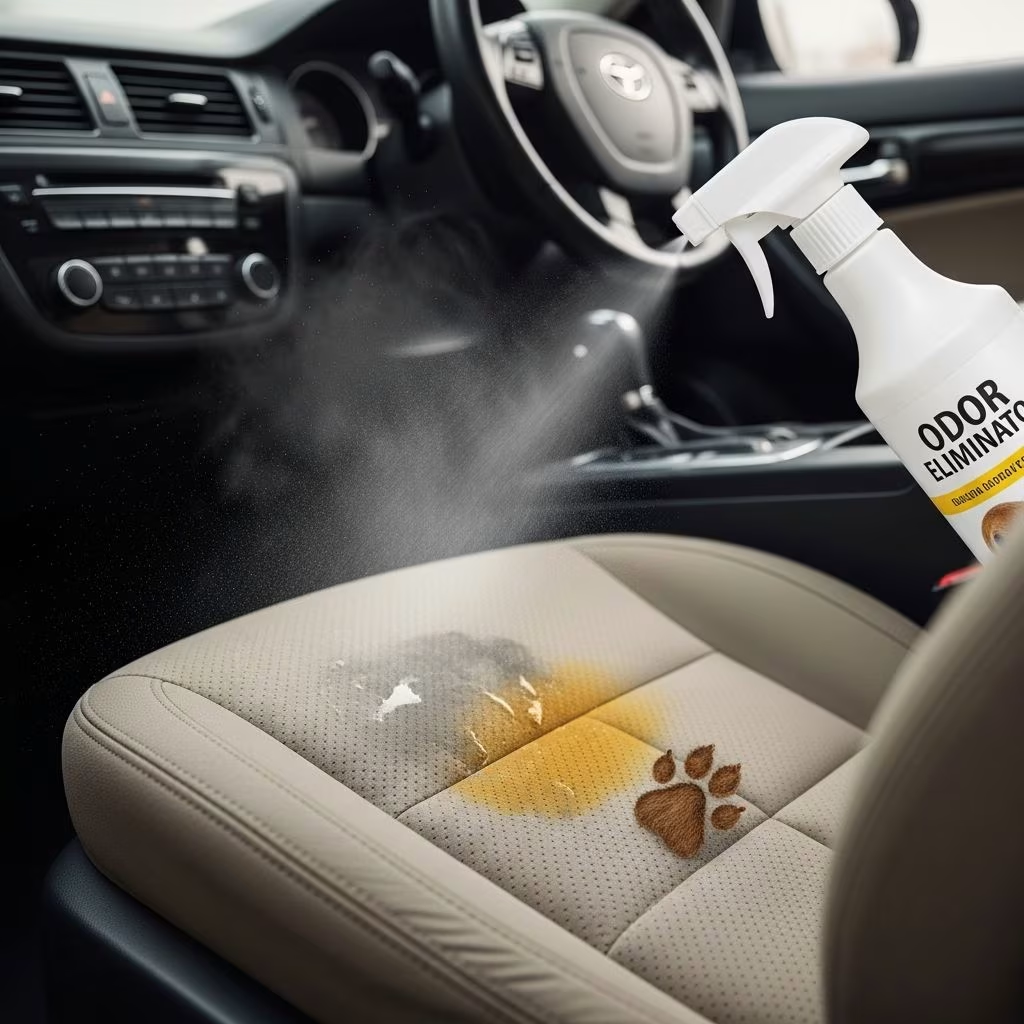
Pet ownership brings joy and companionship, but it also comes with inevitable challenges. One of the most persistent and bothersome problems vehicle owners face is the lingering smell of dog urine in car seats. Whether your canine companion had an accident during a road trip, suffered from anxiety, or simply couldn’t hold it until the next stop, urine odors can penetrate deep into upholstery fabric and padding, creating an embarrassing situation that requires more than just rolling down the windows to resolve.
The challenge with dog urine odor isn’t merely cosmetic or a matter of comfort—it can affect your vehicle’s resale value, make driving unpleasant for passengers, and potentially indicate health issues with your pet that warrant veterinary attention. Understanding the science behind why these odors linger and knowing the most effective removal techniques can save you time, money, and frustration.
Understanding Why Dog Urine Odor Persists in Vehicles
Dog urine contains compounds called urochrome and uric acid crystals that create stubborn odors. When urine comes into contact with car upholstery, it doesn’t simply sit on the surface—it penetrates through multiple layers of fabric, seeps into the foam padding beneath, and can even reach the underlying structure of the seat. This multi-layered penetration makes surface-level cleaning insufficient for complete odor removal.
The problem intensifies because urine odors activate when exposed to moisture or humidity, which means warm weather or rainy conditions can cause previously dormant smells to resurface. Additionally, bacteria present in urine continue to decompose organic matter even after the liquid has dried, producing volatile compounds that contribute to the persistent smell.
Immediate Action: First Steps After an Accident
Time is a critical factor when addressing urine accidents in vehicles. Immediate response prevents the urine from becoming deeply embedded in padding and reduces the overall treatment time needed for complete odor elimination.
Blotting Protocol: Using clean, absorbent cloths or paper towels, blot the affected area repeatedly to remove as much liquid as possible. Press firmly without rubbing, as rubbing motions push urine deeper into the fabric. Change cloths frequently to avoid reapplying absorbed urine back onto the seat.
Ventilation Strategy: Open car windows and doors immediately to allow air circulation. This helps some of the moisture evaporate and prevents odor concentration from building up inside the vehicle. If possible, park in direct sunlight, as UV rays can help break down some organic compounds in urine.
Safety Considerations: Wear disposable gloves when handling contaminated materials to avoid direct contact with bacteria and urine compounds. Ensure your vehicle is well-ventilated during the entire cleaning process, and keep your dog away from the cleaning area to prevent exposure to cleaning chemicals.
Natural Cleaning Solutions for Fabric Seats
Many pet owners prefer starting with natural, non-toxic solutions before progressing to stronger chemical treatments. These options are generally safe for both your vehicle’s upholstery and your family members.
Vinegar and Water Method
White vinegar is a proven natural deodorizer and disinfectant that effectively addresses urine odors. The acetic acid in vinegar breaks down the compounds responsible for unpleasant smells and kills odor-causing bacteria.
- Mix equal parts white vinegar and water in a spray bottle (1:1 ratio)
- Spray the solution generously on the affected area
- Allow the solution to sit for 15-20 minutes to penetrate the fabric and break down urine compounds
- Blot thoroughly with clean, dry cloths
- Allow the area to air dry completely
Test vinegar on an inconspicuous area of your upholstery first to ensure it doesn’t cause discoloration, particularly with lighter-colored fabrics.
Baking Soda Treatment
Baking soda functions as a natural odor absorber, making it an excellent secondary treatment after initial cleaning. It works by absorbing odor-causing molecules rather than simply masking them.
- After cleaning and drying the area, sprinkle baking soda generously over the affected section
- Allow it to sit for several hours or overnight for maximum odor absorption
- Vacuum thoroughly to remove all baking soda residue
- Repeat the process if necessary for stubborn odors
Baking soda can be particularly effective when used in combination with other treatments. Many professionals recommend applying baking soda after enzymatic cleaning and allowing it to sit overnight before final vacuuming.
Mild Soap and Water Solution
For fresh accidents or minor incidents, a basic cleaning solution can be effective. Mix mild dish soap with warm water to create a gentle cleaning agent that breaks down organic matter.
- Combine one tablespoon of mild dish soap with two cups of warm water
- Apply the solution to affected areas using a clean cloth
- Blot repeatedly to lift urine and cleaning solution
- Rinse with clean water to remove soap residue
- Allow complete drying before using the vehicle
Enzymatic Cleaners: The Professional Approach
Enzymatic cleaners represent the gold standard for pet urine removal because they target the root cause of odors. These products contain specialized enzymes that break down the uric acid crystals and other compounds responsible for persistent smells.
How Enzymatic Cleaners Work: Enzymes are biological catalysts that accelerate the breakdown of organic compounds. When applied to urine-contaminated areas, they literally digest the urine molecules, eliminating odors at the source rather than masking them. This approach prevents odor resurgence when moisture reactivates dried urine residue.
Application Process:
- Spray enzymatic cleaner generously onto the affected area
- Allow it to sit for 10-15 minutes minimum, preferably one hour or longer for deep penetration
- Apply additional cleaner and allow it to soak if treating heavily saturated areas
- Blot with clean cloths to extract the cleaner and dissolved urine
- Allow the area to dry completely
Important Compatibility Note: Do not combine enzymatic cleaners with vinegar solutions, as the acidity can neutralize enzyme activity and reduce effectiveness. Use one approach at a time and wait for complete drying before switching methods.
Specialized Treatments for Different Upholstery Types
Car seats vary significantly in material composition, and each type requires tailored cleaning approaches to avoid damage while effectively removing odors.
Cloth and Fabric Seats
Standard fabric upholstery is most susceptible to deep urine penetration due to its porous nature. These seats respond well to enzymatic cleaners and benefit from extended treatment times.
- Apply enzymatic cleaner and allow maximum soaking time
- Use a wet vacuum to extract deeply embedded urine if available
- Follow with baking soda treatment for secondary odor absorption
- Ensure complete drying to prevent mold growth
Non-Perforated Leather Seats
Leather seats have a sealed surface that resists liquid penetration but requires gentle handling to avoid damage.
- Apply cleaning solution to a microfiber cloth rather than directly spraying the leather
- Gently wipe the affected area without oversaturating
- Use leather-safe enzymatic cleaners or vinegar-water solutions
- Condition the leather after cleaning to restore protection
Perforated Leather Seats
Perforated leather has small holes that allow liquid to seep through to foam padding underneath, requiring more aggressive treatment.
- Blot the surface immediately with microfiber cloths to prevent deeper penetration
- Apply leather-safe enzymatic cleaner and allow extended soaking
- Use a wet vacuum to extract liquid from perforations
- Apply enzymatic cleaner a second time if necessary
- Allow thorough drying and condition leather afterward
Advanced Extraction Methods
Wet Vacuum Extraction
Wet vacuums are powerful tools for removing liquid and dissolved urine from deep within upholstery. Professional detailers frequently use these machines for stubborn cases.
- After applying enzymatic cleaner and allowing appropriate soaking time, use a wet vacuum to extract the solution and dissolved urine
- Make multiple passes over the area to ensure thorough extraction
- Empty the vacuum tank frequently to prevent recontamination
- Allow the area to air dry after extraction
Ammonia Granule Treatment
Ammonia granules effectively neutralize certain types of urine odors through chemical reaction.
- Sprinkle ammonia granules over the affected area
- Allow them to sit for at least 30 minutes
- Vacuum thoroughly to remove all granules
- Aerate the vehicle by opening windows for extended periods
Drying and Preventing Moisture-Related Issues
Proper drying is critical because residual moisture can lead to mold and mildew growth, which creates new odor problems and poses health risks.
Drying Techniques:
- Use microfiber towels to remove excess surface moisture
- Open car doors and windows for air circulation
- Run the air conditioning system to promote evaporation
- Park in direct sunlight when possible, as UV rays accelerate drying
- Use portable fans or dehumidifiers if available
- Allow 24-48 hours of drying time before reintroducing passengers or pets
Preventive Strategies for Future Incidents
While accidents happen with pets, several preventive measures can reduce the likelihood and severity of future incidents.
- Protective Seat Covers: Install waterproof seat covers specifically designed for pets. These prevent urine from reaching the underlying upholstery.
- Regular Potty Breaks: Schedule frequent stops during long drives to allow your dog bathroom access.
- Pre-Trip Bathroom Time: Ensure your dog uses the bathroom before entering the vehicle.
- Anxiety Management: Consult with your veterinarian if your dog has anxiety-related accidents, as behavioral or medical interventions may help.
- Health Monitoring: Frequent urination can indicate urinary tract infections or other health issues warranting veterinary evaluation.
- Crate Training: Many dogs avoid soiling their sleeping area, so appropriate crate training can minimize accidents during travel.
When to Seek Professional Detailing Services
Certain situations warrant professional intervention beyond DIY approaches. Consider professional detailing when:
- DIY methods have proven ineffective after multiple attempts
- Urine has penetrated to seat structure or subflooring
- Multiple layers of seats or extensive areas are affected
- Your vehicle’s resale value is at stake
- You prefer professional-grade equipment like industrial wet vacuums and steam cleaners
Professional detailers have access to commercial-grade enzymatic cleaners and specialized extraction equipment that can penetrate deeper than consumer products. They also understand the specific requirements of different vehicle makes and models.
Summary of Treatment Hierarchy
For best results, follow this progression:
- Immediate blotting and ventilation
- Initial vinegar-water or mild soap treatment
- Enzymatic cleaner application (longest soak time possible)
- Wet vacuum extraction if available
- Baking soda treatment and overnight sitting
- Final vacuuming and thorough drying
- Professional detailing if odors persist after one week
Removing dog urine odor from car seats requires patience, appropriate products, and sometimes multiple treatment applications. By understanding the nature of urine odors and applying targeted removal techniques, you can restore your vehicle’s interior to a fresh, odor-free condition while maintaining the integrity of your upholstery.
References
- How To Remove Dog Urine Smell From Car Upholstery — CBC First. https://cbcfirst.com/how-to-remove-dog-urine-smell-from-car-upholstery/
- How to Clean Urine Out of a Car: The Ultimate Guide — Moran’s Performance Detailing. https://www.moransperformancedetailing.com/blog/clean-urine-car



