

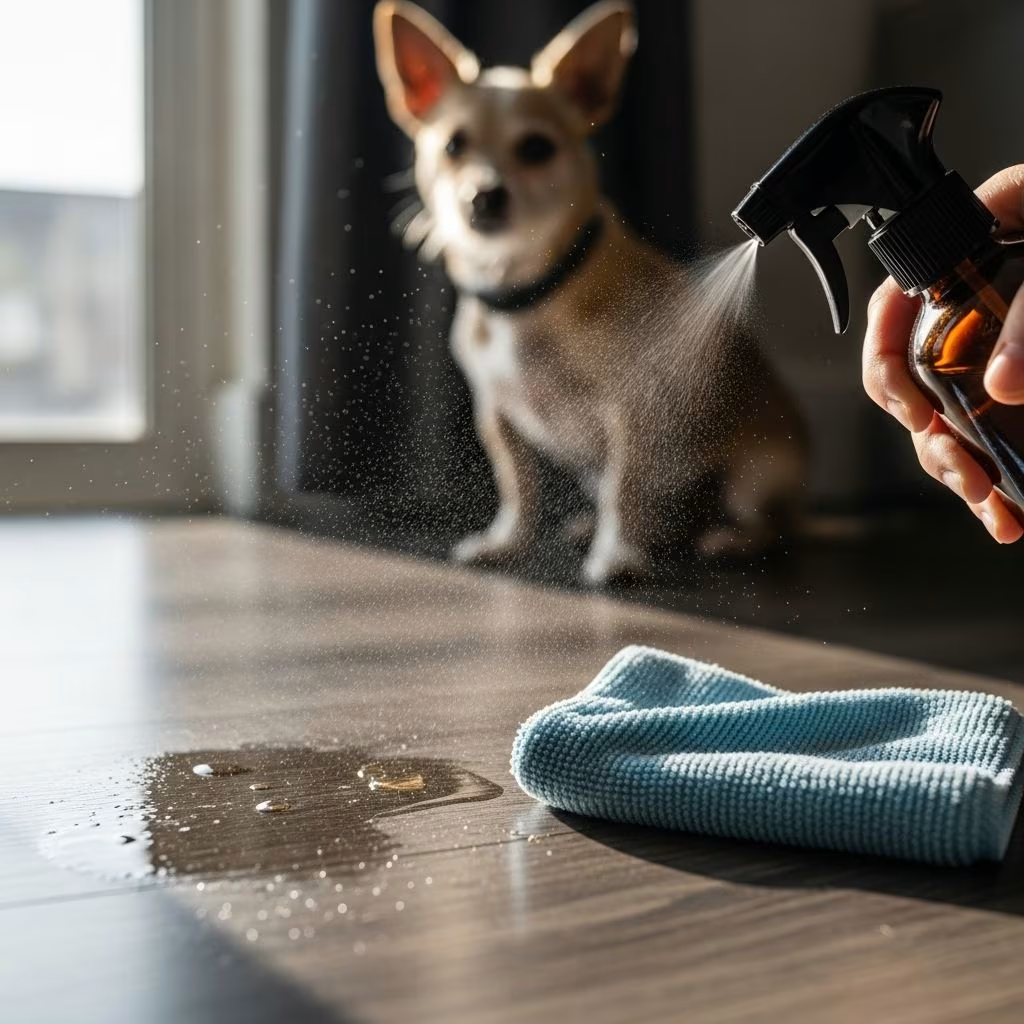
Laminate flooring offers durability and easy maintenance, making it ideal for pet owners. However, dog urine accidents can penetrate seams and grooves, leaving persistent odors if not addressed promptly. Acting quickly prevents the urine from seeping into the subfloor, where smells can linger indefinitely. This guide provides detailed, safe cleaning methods tailored for laminate surfaces, ensuring your home stays fresh without risking floor damage.
Understanding Why Dog Urine Lingers on Laminate
Dog urine contains urea and ammonia compounds that break down over time, producing strong odors. On laminate, which has a protective top layer over a fiberboard core, liquids can wick into edges and joints. Unlike hardwood, laminate resists surface absorption but vulnerabilities in seams allow penetration. Fresh cleanup minimizes this risk, while old stains demand targeted treatments to neutralize proteins at the source.
Key factors contributing to persistent smells include:
- Delayed response: Urine dries and crystallizes, embedding deeper.
- Improper cleaning: Soaps mask odors temporarily without breaking down molecules.
- Repeated incidents: Buildup in the same area intensifies the problem.
Addressing these with enzyme-based or acidic solutions ensures complete elimination.
Essential Supplies for Effective Cleanup
Gather these pet-safe, household items before starting:
- Paper towels or absorbent cloths for blotting.
- Spray bottle for solutions.
- Soft scrub brush or microfiber cloth.
- Vacuum with brush attachment.
- Enzyme cleaner (e.g., pet-specific formulas).
- White vinegar, baking soda, mild dish soap.
Avoid ammonia-based products, as they mimic urine scent and attract dogs back to the spot.
Step-by-Step Guide: Cleaning Fresh Dog Urine Spills
Immediate action is crucial for fresh accidents to prevent odor bonding.
- Blot Excess Liquid: Press paper towels firmly into the spot, using multiple layers. Do not rub, as this spreads urine into grooves.
- Apply Neutralizing Solution: Mix equal parts white vinegar and water in a spray bottle. Saturate the area and let sit 10-15 minutes. Vinegar’s acidity counters urine’s ammonia.
- Gently Scrub: Use a soft brush to agitate without scratching the finish.
- Wipe and Dry: Blot with clean towels, then air-dry completely. Use a fan to speed drying and prevent moisture damage.
For enhanced results, follow with baking soda: sprinkle liberally, let sit overnight, and vacuum. This absorbs residual moisture and odors.
Tackling Stubborn Dried Stains and Old Odors
Dried urine requires breaking down crystallized proteins. Enzyme cleaners excel here, containing bacteria that digest organic matter.
- Locate the Source: Use a blacklight to reveal fluorescent urine traces invisible to the eye.
- Re-wet the Area: Spray with lukewarm water to reactivate crystals.
- Enzyme Treatment: Apply generously per product instructions, ensuring full coverage. Let dwell 15-30 minutes or as directed.
- Absorb and Repeat: Blot dry. For deep-set odors, repeat 2-3 times or overnight.
If enzymes are unavailable, a hydrogen peroxide mix works for tougher cases: combine 1 cup 3% peroxide, 1 tsp dish detergent. Test in a hidden spot first, apply, let foam subside, then rinse and dry. Ventilate well during use.
Advanced Techniques for Persistent Problems
When standard methods fail, consider these options:
| Method | Best For | Pros | Cons |
|---|---|---|---|
| Baking Soda Paste | Mild odors | Natural, cheap | Requires time |
| Enzyme Spray | Protein stains | Breaks down source | Product cost |
| Peroxide Blend | Stains + odor | Lifting action | Color test needed |
| Vinegar Soak | Fresh spills | Quick, accessible | Strong scent initially |
For subfloor penetration, lift affected planks if possible. Clean underneath with enzymes, dry thoroughly, and reinstall or replace. Professional sanding may be needed for extensive damage.
Safety Precautions and Common Mistakes to Avoid
Protect your health and floors:
- Test Solutions: Always spot-test cleaners on inconspicuous areas.
- No Bleach or Ammonia: Bleach risks discoloration and toxic gas with urine residues.
- Ventilation: Open windows during chemical use.
- Dry Thoroughly: Moisture warps laminate; use fans or dehumidifiers.
Common pitfalls include over-wetting, using abrasive tools, or masking odors with perfumes, which fail long-term.
Preventing Future Dog Urine Accidents
Cleaning is reactive; prevention is key. Address root causes:
Training Tips:
- Consistent housetraining schedules.
- Positive reinforcement for outdoor elimination.
- Crate training for puppies.
Health Checks: Rule out UTIs or incontinence via vet visits. Senior dogs may need ramps or pee pads.
Home Adjustments:
- Pet gates to limit access.
- Waterproof mats in high-risk zones.
- Regular deep cleans quarterly.
Choosing the Right Commercial Cleaners
Opt for pH-neutral, pet-formulated products. Top picks include enzyme sprays that target uric acid. Avoid general floor cleaners lacking pet-specific enzymes. Read labels for laminate safety.
Frequently Asked Questions
Can vinegar damage laminate floors?
Diluted vinegar is safe in moderation; full-strength may dull finishes over time. Rinse and dry promptly.
How long does dog urine smell last untreated?
Indefinitely if soaked into subflooring, worsening with bacterial growth.
Is baking soda enough alone?
Great absorber but pair with vinegar for neutralization.
What if the smell returns after cleaning?
Reapply enzymes; check for subfloor saturation requiring plank removal.
Are enzyme cleaners pet-safe?
Yes, when used as directed; non-toxic formulas exist.
Long-Term Maintenance for Pet-Friendly Floors
Weekly sweeps and damp mopping with pH-neutral soap keep laminate pristine. For pet homes, monthly enzyme treatments in accident-prone areas prevent buildup. Invest in quality mats and train diligently for odor-free living.
Laminate’s resilience shines with proper care, turning potential disasters into minor cleanups. Consistent effort yields a hygienic, inviting space for you and your canine companion.
References
- Best Way To Clean Dog Urine From Laminate Floors: Top 5 Tips — Carpet Cleaning Service VA. 2023-05-15. https://carpetcleaningserviceva.com/best-way-to-clean-dog-urine-from-laminate-floors/
- How to Get Dog Pee Smell & Stains Out of Laminate Flooring — Dogster. 2024-08-20. https://www.dogster.com/lifestyle/how-to-get-dog-pee-smell-out-of-laminate-flooring
- Remove Dog Urine Odor and Smell from Hardwood Floor — eufy US. 2024-03-10. https://www.eufy.com/blogs/robovac/how-to-remove-dog-urine-smell-from-floor



