

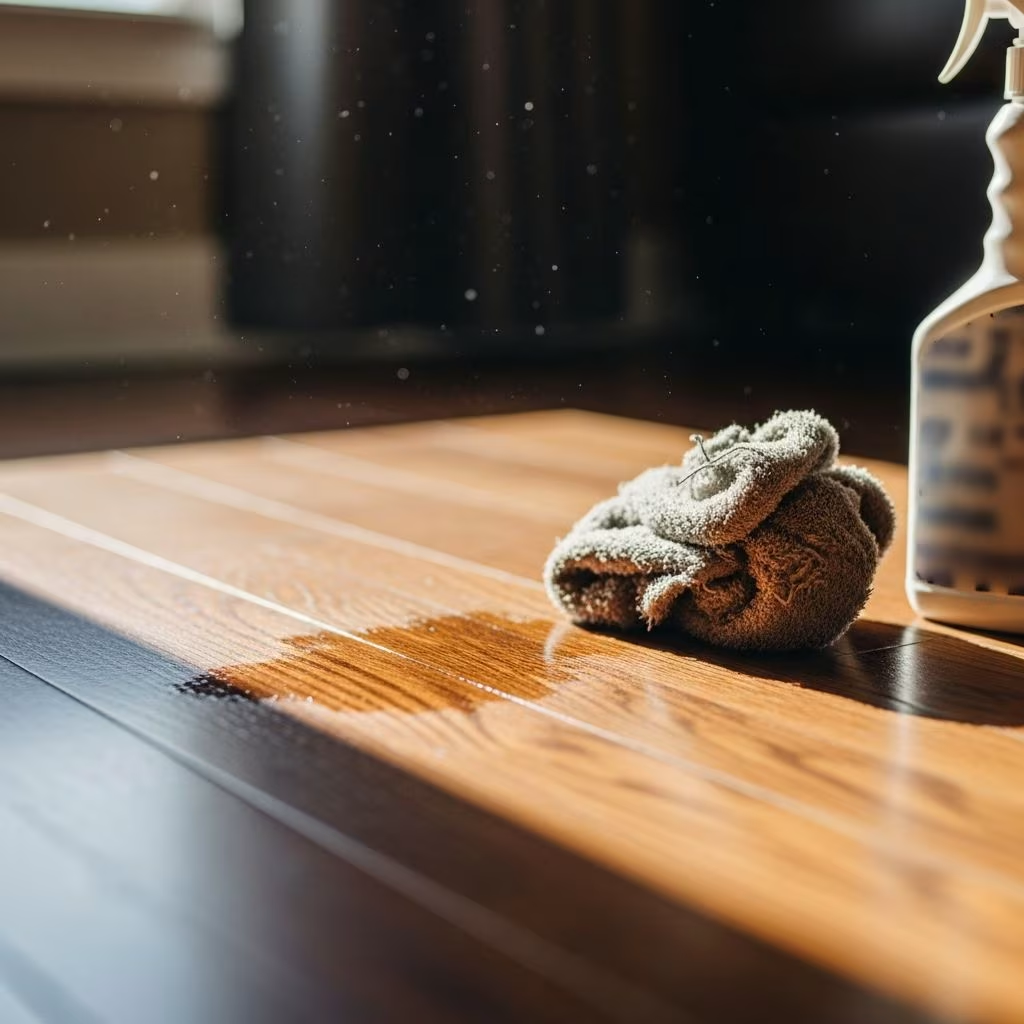
Hardwood floors add timeless elegance to any home, but they can become a battleground when dogs leave behind urine stains and lingering smells. Urine soaks into the porous wood grain, creating persistent odors that attract pets to repeat the offense. Fortunately, with prompt action and the right techniques, you can neutralize these smells effectively without harming your floor’s finish. This comprehensive guide explores safe cleaning methods, preventive strategies, and professional options to keep your home fresh.
Why Dog Urine Sticks to Hardwood Floors
Hardwood is naturally absorbent, especially in unsealed or worn areas where gaps and cracks allow urine to penetrate deeply. The ammonia in urine produces a strong scent that dogs associate with marking territory, perpetuating the cycle. Bacteria from the urine break down into volatile compounds, embedding odors that regular mopping fails to eliminate. Acting quickly minimizes absorption, but even dried spots require targeted treatments to break down these compounds at a molecular level.
Immediate Response: Blot and Initial Cleanup
The first step in any urine incident is containment. Use thick paper towels or a clean cloth to press firmly and absorb as much liquid as possible. Avoid rubbing, which spreads the urine deeper into the wood. For fresh accidents, repeat blotting until no moisture transfers to new towels. This prevents deeper penetration and reduces odor intensity from the start.
- Press down with full body weight for maximum absorption.
- Dispose of used towels immediately to avoid cross-contamination.
- Wear gloves to protect your skin from bacteria.
Powerful DIY Cleaners for Odor Neutralization
Household staples like hydrogen peroxide, baking soda, and vinegar form the backbone of effective hardwood cleaning. Each targets different aspects of the urine residue: oxidation, absorption, and acidification.
Hydrogen Peroxide: The Go-To Oxidizer
3% hydrogen peroxide mixed with a drop of dish soap excels at breaking down urine proteins without a lingering scent. Soak a cloth in the solution, apply to the spot, and let it sit for exactly 10 minutes—no longer, to avoid wood discoloration or warping. Wipe clean with a damp towel and dry thoroughly. This method outperforms vinegar for sealed hardwoods due to its odorless nature and strong oxidizing power.
Caution: Test in an inconspicuous area first, as peroxide can lighten some finishes.
Baking Soda: Natural Absorber Extraordinaire
After initial cleaning, generously sprinkle baking soda over the damp area. Its alkaline properties neutralize acidic urine odors while absorbing residual moisture. Let it dwell overnight, then sweep or vacuum. For cracks in hardwood, the powder seeps in, tackling hidden smells. Repeat if needed for stubborn cases. Baking soda’s gentleness makes it ideal for repeated use on various surfaces.
Vinegar Solution: Acidic Counterattack
Dilute white vinegar (1/3 to 1/2 cup per gallon of warm water) for a final rinse on persistent odors. Wipe gently, then dry immediately. Vinegar dissolves mineral deposits from urine but can erode finishes over time, so limit to spot treatments and always spot-test.
Pro Tip: Never mix vinegar with hydrogen peroxide, as it forms harmful peracetic acid.
Step-by-Step Cleaning Protocol
Combine these cleaners in sequence for optimal results:
- Blot excess urine immediately.
- Apply hydrogen peroxide-soap mix; wait 10 minutes, wipe, and dry.
- Sprinkle baking soda liberally; leave overnight.
- Vacuum thoroughly.
- If odor lingers, use vinegar solution sparingly, then dry.
- Sniff test: Repeat baking soda if necessary.
| Method | Best For | Time Required | Potential Risks |
|---|---|---|---|
| Hydrogen Peroxide | Fresh stains, sealed wood | 10-15 minutes | Discoloration if overused |
| Baking Soda | Lingering odors, cracks | Overnight | Minimal; powdery residue |
| Vinegar | Mineral buildup | 5-10 minutes | Finish wear with frequent use |
Advanced Techniques for Deep-Set Stains
For urine that has penetrated multiple layers, enzymatic cleaners mimic nature by using microbes to digest organic matter. Apply after peroxide, following product dwell times, and test first. These are especially useful for unsealed or antique floors. Alternatively, a black light reveals hidden spots—urine glows yellow-green—guiding targeted cleaning.
Preventing Future Dog Urine Mishaps
Address root causes to avoid recurrence:
- Training: Reinforce potty routines with positive rewards; use belly bands for marking dogs.
- Health Checks: Frequent urination signals UTIs—consult a vet promptly.
- Home Adjustments: Block access to problem areas during housebreaking; provide ample outdoor breaks.
- Seal Gaps: Fill cracks with wood filler to reduce absorption.
Regular maintenance like damp mopping with pH-neutral cleaners preserves the floor’s protective finish, making future cleanups easier.
Professional Services: When DIY Isn’t Enough
For widespread damage or valuable floors, pros use industrial extractors, ozone generators, and sealants. Costs average $180 per session but ensure thorough results, preventing pet re-marking. Seek services specializing in pet odors for specialized enzymes and UV detection.
Cost Comparison: DIY vs. Pro
| Approach | Estimated Cost | Tools Needed |
|---|---|---|
| DIY Basics | $10-25 | Household items, rags, vacuum |
| Enzymatic Add-On | $20-40 | Store-bought cleaner |
| Professional | $150-300 | None (service handles) |
Frequently Asked Questions (FAQs)
Can I use bleach on hardwood for dog urine?
No—bleach damages wood and doesn’t neutralize odors effectively. Stick to peroxide or enzymes.
How long does it take for odors to fade completely?
Most clear within 24-48 hours with proper treatment; deep stains may need repeats.
Is baking soda safe for all hardwood types?
Yes, it’s non-abrasive, but vacuum fully to avoid residue buildup.
What if my floor warps after cleaning?
Excess moisture caused it—dry immediately next time and use fans for airflow.
Does vinegar attract dogs back to the spot?
Its strong smell might temporarily, so follow with odorless neutralizers like baking soda.
Safe Alternatives for Sensitive Floors
Engineered hardwood or those with polyurethane finishes tolerate most methods well. For waxed or oiled floors, opt for baking soda alone or consult manufacturers. Always prioritize drying to prevent cupping or buckling.
Long-Term Floor Protection Strategies
Apply a fresh sealant post-cleaning to create a moisture barrier. Use pet-safe area rugs in high-traffic zones and schedule annual professional refinishing. Consistent habits turn your home into a no-accident zone.
References
- How to Remove Dog Urine Smell From Wood Floors — Angi. 2023-2024. https://www.angi.com/articles/hardwood-floors-getting-rid-pet-urine-odor.htm
- How Remove PET URINE ODOR Off ANY Surface (Hardwood…) — YouTube/Helping Hermit. 2024-11-19. https://www.youtube.com/watch?v=Zl7jpmwVuQ0
- How To Get Dog Pee Out of Carpet, Floors, and Couches — PetMD. 2023-2025. https://www.petmd.com/dog/general-health/how-to-get-dog-pee-out-of-carpet-floors-couches



