

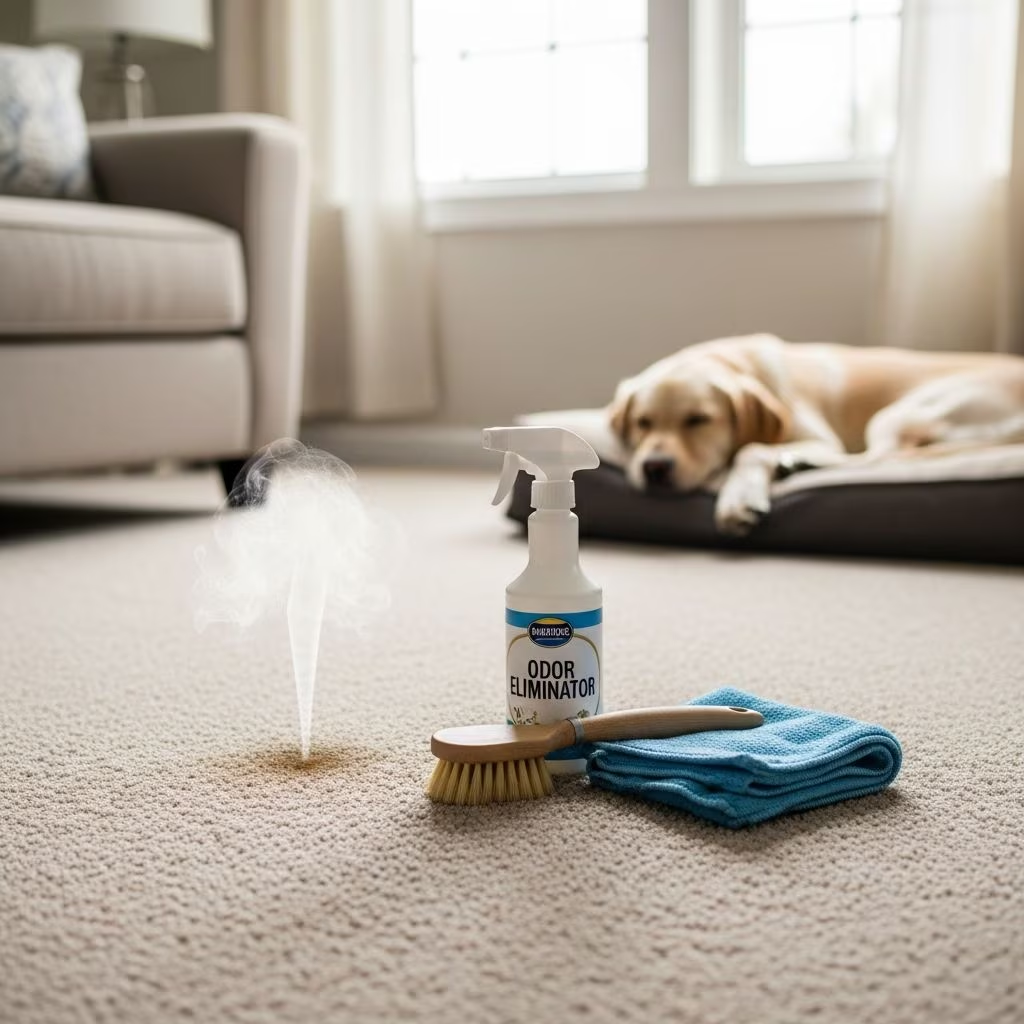
Dog urine accidents on carpets can leave behind stubborn odors and stains that linger despite basic cleaning efforts. These issues arise from uric acid crystals in urine, which bind to carpet fibers and padding, resisting standard soaps and water. Effective removal requires targeting these crystals with specialized cleaners and techniques to prevent reoccurrence and maintain a hygienic living space.
Understanding the Challenge of Pet Urine in Carpets
Urine from dogs contains proteins and salts that penetrate deep into carpet layers, including backing and subflooring if not addressed promptly. Fresh spots are easier to handle, but set-in stains demand multi-step processes to break down organic compounds. Incomplete cleaning allows bacteria to thrive, amplifying smells over time. Professional insights emphasize acting fast: blot excess liquid immediately to limit spread, avoiding rubbing which embeds particles deeper.
Carpet composition affects treatment—synthetic fibers like nylon hold odors tightly, while natural wool requires gentler approaches. UV black lights help detect hidden spots by revealing fluorescence from urine residues, guiding thorough cleaning.
Essential Tools and Supplies for Carpet Cleaning
Gather these items before starting to streamline the process:
- White absorbent towels or microfiber cloths for blotting without color transfer.
- Spray bottles for even application of solutions.
- Enzymatic pet cleaners designed to digest uric acid, such as those containing protease and urease enzymes.
- White vinegar, baking soda, hydrogen peroxide (3-6% for safety), and mild dish soap for DIY mixes.
- Wet/dry vacuum or carpet extractor for deep extraction.
- Plastic wrap or heavy books for weighting down treatments.
- UV flashlight for spotting invisible stains.
Always test solutions on inconspicuous areas to prevent discoloration, especially on colored carpets.
Step-by-Step Guide to Fresh Carpet Cleaning
Follow this structured approach for optimal results, adapting based on stain age.
Immediate Response to Fresh Accidents
Speed is crucial for fresh urine. Place thick layers of paper towels over the spot and press firmly with foot pressure or a heavy object to wick up moisture. Switch towels until they absorb no more liquid. Follow with cool water rinses, blotting repeatedly to dilute residues. This prevents crystals from setting.
Enzymatic Treatment for Odor Neutralization
Enzymatic cleaners are the gold standard, as they biologically decompose urine proteins. Saturate the area beyond visible stains, allowing 15-20 minutes dwell time—or longer per product instructions—for enzymes to activate. Agitate gently with a soft brush if needed, then extract with a wet vac or blot dry. Repeat 2-3 times for penetrated spots. These cleaners outperform soaps by targeting root causes rather than masking smells.
DIY Vinegar and Baking Soda Method
For a natural alternative, mix 1 cup white vinegar with 2 cups water in a spray bottle. Soak the area, let sit 5-10 minutes, then blot. Sprinkle baking soda liberally, let absorb for hours or overnight, and vacuum. Vinegar neutralizes odors while baking soda dehydrates remnants. This combo suits light stains but may need enzymatic follow-up for heavy soiling.
| Method | Best For | Pros | Cons |
|---|---|---|---|
| Enzymatic Cleaner | Set-in odors | Breaks down uric acid; pet-safe | Requires dwell time; costlier |
| Vinegar + Baking Soda | Fresh spots | Cheap; household items | Less effective on old stains |
| Hydrogen Peroxide Mix | Deep stains | Color-safe bleaching | Potential fabric damage; test first |
Advanced Hydrogen Peroxide Technique
For persistent yellowing, use 6% hydrogen peroxide sprayed liberally, mixed with a splash of ammonia (3:1 ratio) directly on the carpet—not pre-mixed. Cover with plastic wrap, let sit 30 minutes, then blot. Peroxide oxidizes pigments without harming synthetic dyes. Rinse optionally, as it breaks down naturally. Ideal after enzymatic steps for visible stains.
Handling Stubborn or Multiple Spots
Old urine damage may affect padding. After surface cleaning, lift carpet edges if possible to treat undersides with enzymatic solutions. For widespread issues, rent a steam cleaner with pet-specific detergent, but avoid over-wetting to prevent mold. Multiple applications—up to three rounds—ensure saturation to the padding level. Air dry fully with fans to avoid mildew.
UV detection post-cleaning confirms success; glowing areas need retreatment. Professional services excel for subfloor penetration, using truck-mounted extractors.
Preventing Future Dog Urine Mishaps
Proactive measures reduce accidents:
- Train with positive reinforcement and frequent potty breaks.
- Use belly bands or pee pads for indoor puppies.
- Apply waterproof carpet protectors or vinyl under rugs in high-risk zones.
- Schedule regular deep cleans quarterly.
Address medical causes like UTIs via vet checks, as frequent marking signals health issues.
Cleaning Urine from Other Household Surfaces
Hard Floors
Test cleaners first. Blot excess, apply hydrogen peroxide or enzymatic spray, let dwell, wipe, and repeat. Dry thoroughly to avoid slips.
Furniture and Upholstery
Blot, treat with enzymes, extract with wet vac. For cars, use crevice tools for seams. Avoid heat drying to prevent setting odors.
Washable Items like Beds and Rugs
Pre-treat with enzymatic laundry boosters, wash in hot water if label allows. Air dry to preserve enzymes’ work.
Frequently Asked Questions
Does vinegar really kill dog urine smell?
Vinegar neutralizes odors effectively on fresh spots by breaking down uric acid, but enzymatic cleaners provide more complete elimination for set-in smells.
Can I use bleach on dog pee stains?
No, bleach damages carpets and doesn’t target uric acid, potentially worsening odors as it reacts with residues.
How long does enzymatic cleaner take to work?
Typically 15-20 minutes per application, but full odor removal may require overnight drying and multiple uses.
What if the smell returns after cleaning?
Residues in padding likely remain; retreat deeper or call professionals for extraction and padding treatment.
Is hydrogen peroxide safe for all carpets?
It’s color-safe for synthetics but test wool or dark fibers; use 3-6% strength and rinse well.
Long-Term Carpet Maintenance Tips
Regular vacuuming removes dander that amplifies pet smells. Steam clean annually with pet formulas. Consider odor-absorbing powders between deep cleans. These habits extend carpet life and keep homes fresh.
References
- How to Remove Set-In Urine Stains From Carpet (Dog or Cat) — The Stain Guide (YouTube). 2024-02-25. https://www.youtube.com/watch?v=P29Og0OLgfc
- How To Get Dog Pee Out of Carpet, Floors, and Couches — PetMD. Accessed 2026. https://www.petmd.com/dog/general-health/how-to-get-dog-pee-out-of-carpet-floors-couches
- 5 Best Tricks for Getting Rid of Dog Pee Smell — Rover.com. Accessed 2026. https://www.rover.com/blog/5-best-tricks-getting-rid-dog-pee-smell/
- Best DIY Pet Stain Removers for Carpets & Rugs — AKC Pet Insurance. Accessed 2026. https://www.akcpetinsurance.com/blog/best-diy-pet-stain-removers
- Technical Bulletin: Pet Urine and Carpet — International Carpet & Rug Institute. Accessed 2026. https://carpet-rug.org/technical-bulletin-pet-urine-and-carpet/



