

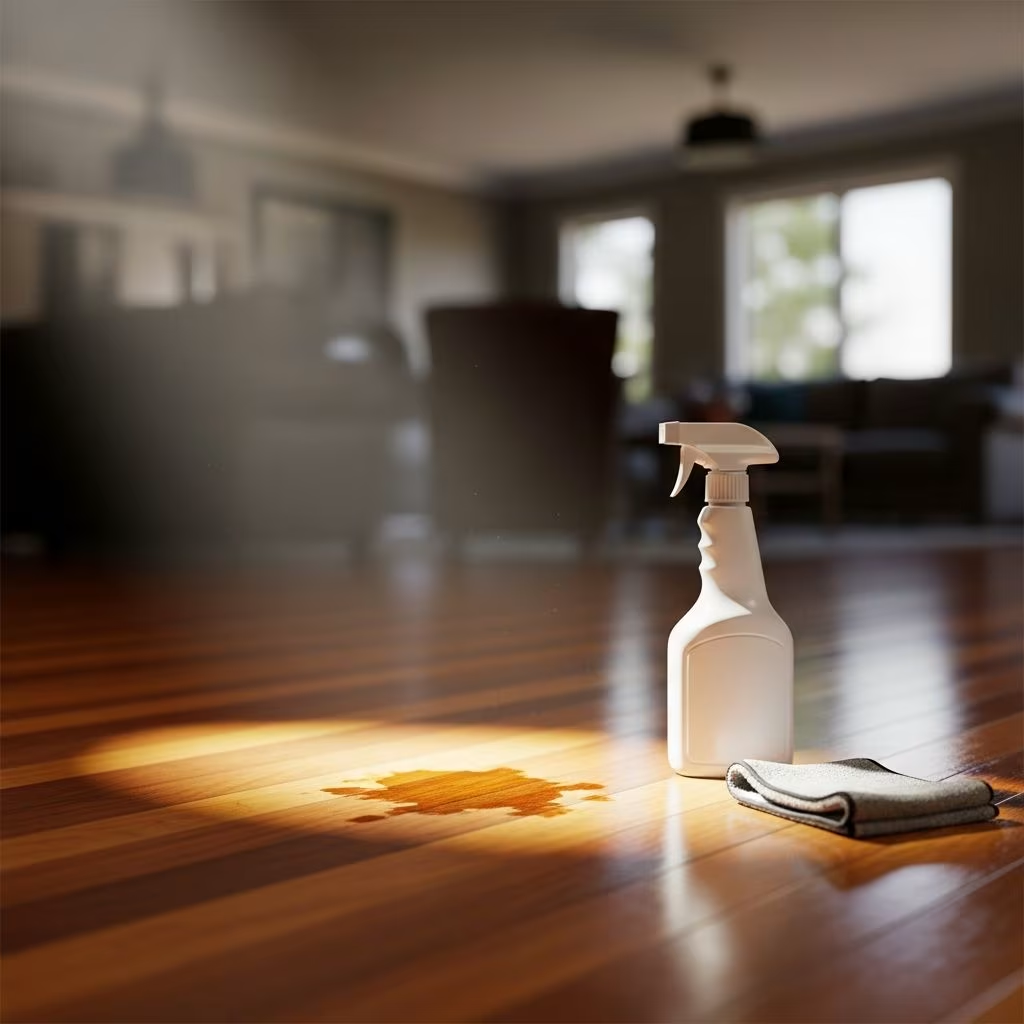
Hardwood floors add timeless elegance to any home, but they are vulnerable to pet accidents. Dog poop can leave behind persistent odors and stains that seep into the wood’s porous surface, making cleanup challenging. Quick action with the right methods ensures your floors stay pristine and odor-free without harsh chemicals that could harm your pet or damage the finish.
Why Dog Poop Odors Linger on Wood Surfaces
Dog waste contains organic compounds like proteins and bacteria that break down into volatile gases, creating foul smells. On hardwood, these substances penetrate the grain, especially if not addressed immediately. Moisture from the waste exacerbates the issue by swelling the wood fibers, trapping odors deep within. Unlike sealed tiles, unsealed or worn hardwood absorbs liquids rapidly, leading to long-term contamination if ignored.
Preventing escalation involves understanding wood types: solid hardwoods like oak are more absorbent than engineered options with protective layers. Regular maintenance, such as prompt spill cleanup and protective rugs in high-traffic pet areas, minimizes risks. Still, accidents happen, and knowing how to respond is key to restoration.
Immediate Response: First Steps for Fresh Accidents
Act fast to limit penetration. Wear gloves and use paper towels or a plastic scraper to remove solid matter gently, avoiding grinding it into the wood. Blot liquids with clean, absorbent cloths, pressing firmly but not rubbing, to draw out moisture. Avoid excessive water, as it can warp boards or dull finishes.
- Gather tools: gloves, paper towels, scraper, and microfiber cloths.
- Scoop solids into a bag for disposal.
- Blot repeatedly, replacing towels until no transfer occurs.
- Air dry the area with fans to prevent mold growth.
This initial phase prevents 80% of odor issues if done within minutes, setting the stage for deeper cleaning.
Top Natural Cleaning Solutions for Odor Neutralization
Natural remedies leverage household staples to break down odor molecules safely. These pet-friendly options avoid toxic residues, ideal for homes with curious dogs.
Vinegar-Based Mixtures: Acidic Power for Breakdown
Distilled white vinegar’s acetic acid neutralizes alkaline pet waste odors. Combine 1 part vinegar with 3 parts warm water for a gentle spray. Apply to the area, let sit 10-15 minutes, then wipe with a damp cloth. For enhanced effect, add 2-3 drops of grapefruit essential oil, which has antimicrobial properties boosting deodorization.
Recipe Table:
| Ingredient | Amount | Purpose |
|---|---|---|
| White Vinegar | 1 cup | Neutralizes odors |
| Warm Water | 1 bucket | Dilutes for safety |
| Grapefruit Oil | 2-3 drops | Antibacterial boost |
Scrub lightly with a soft brush, rinse, and dry thoroughly. Repeat for stubborn spots. This method is effective on both fresh and set-in odors without stripping wood oils.
Baking Soda and Dish Soap Combo: Absorption and Lift
Baking soda (sodium bicarbonate) absorbs moisture and odors, while dish soap emulsifies residues. Mix ⅓ cup vinegar, 1 cup baking soda, and ¼ cup mild dish soap in a spray bottle. Shake well, apply generously, and let foam for 15 minutes. Wipe away with a damp cloth; the fizzing action lifts embedded particles.
- Safe for sealed hardwoods; test on inconspicuous areas first.
- Vacuum residue after drying to prevent slipperiness.
- Odor elimination often complete after one use on mild cases.
Handling Stubborn, Dried-On Residues
Dried poop hardens, making removal tougher as odors bond chemically with wood. Soften first with a 1:1 vinegar-water mix poured directly on the spot. Let penetrate 20 minutes, then scrape gently. Follow with enzyme cleaners that digest proteins biologically.
Enzyme products mimic natural decomposition, targeting uric acid crystals invisible to the eye. Apply per instructions, cover with plastic wrap to keep moist, and allow 24 hours for full action. These outperform vinegar alone on deep-set contamination.
Commercial Enzyme Cleaners: When DIY Isn’t Enough
For severe cases, enzyme-based pet odor eliminators from reputable brands provide targeted relief. Look for products listing protease, lipase, and amylase enzymes, proven to hydrolyze waste components. Avoid ammonia-based cleaners, as they mimic urine scents and attract repeat accidents.
Pet-safe options are widely available; verify labels for wood compatibility. Saturate the area, let dwell overnight, then extract with a wet-dry vac. Multiple applications may be needed for layered stains. These cleaners restore floors without residue, maintaining shine.
Advanced Techniques for Persistent Problems
If odors persist, sanding lightly with fine-grit paper (220+) exposes fresh wood layers, followed by reapplication of cleaner. For subfloor penetration, drill small holes and inject enzymes, though this risks warranty voidance—consult professionals.
Baking soda pastes work wonders: sprinkle liberally, cover with a towel overnight, then vacuum. Arm & Hammer variants draw out deep moisture, changing color as they absorb. Polish afterward with wood conditioner to seal and protect.
Preventing Future Dog Poop Incidents on Hardwood
Proactive steps safeguard your investment. Train with crate methods and scheduled walks; use belly bands for indoor puppies. Place washable rugs in accident-prone zones and apply floor protectants like wax or polyurethane annually.
- Regular vet checks for digestive issues causing loose stools.
- Enzyme sprays as preemptive fresheners.
- Supervise young dogs during housebreaking.
These habits reduce accidents by up to 90%, per pet care experts.
Understanding Hardwood Vulnerabilities and Care
Hardwood finishes—oil, wax, or polyurethane—affect cleaning tolerance. Oiled floors need pH-neutral solutions; polyurethane handles vinegar better. Always dilute cleaners and use microfiber for streak-free results. Post-clean, buff with a dry cloth to revive luster.
FAQs on Dog Poop Odor Removal
Can vinegar damage hardwood finishes?
In dilution, no; full-strength may etch. Always rinse and dry promptly.
How long do odors take to fully dissipate?
1-3 applications usually suffice; deep cases need 24-48 hours with enzymes.
Are essential oils safe around dogs?
Grapefruit in small amounts yes; avoid tea tree or pennyroyal, which are toxic.
What if the smell returns after cleaning?
Subfloor contamination; use blacklight to detect, then enzyme inject or professional service.
Is baking soda abrasive on wood?
Not when vacuumed properly; it’s a mild deodorizer.
Safety Tips for Pet Owners
Keep dogs away during cleaning to avoid ingestion. Ventilate rooms and test solutions. For multiple pets, address diet or health prompting accidents. Professional steam cleaning quarterly maintains hygiene without wear.
References
- How to Get Dog Poop Smell & Stains Out of Hardwood Floors — Dogster. 2023. https://www.dogster.com/lifestyle/how-to-get-dog-poop-smell-out-hardwood-floors
- Tips for Cleaning Dog Pet Waste from Carpets, Tile, and Wood Floors — DoodyCalls. 2024-06-01. https://www.doodycalls.com/eastern-ma/about-us/blog/2024/june/tips-for-cleaning-dog-pet-waste-from-carpets-til/
- How To Remove Pet Urine Smell From Floors — YouTube (Video Transcript). N/A. https://www.youtube.com/watch?v=w96FUgaxPvo



