

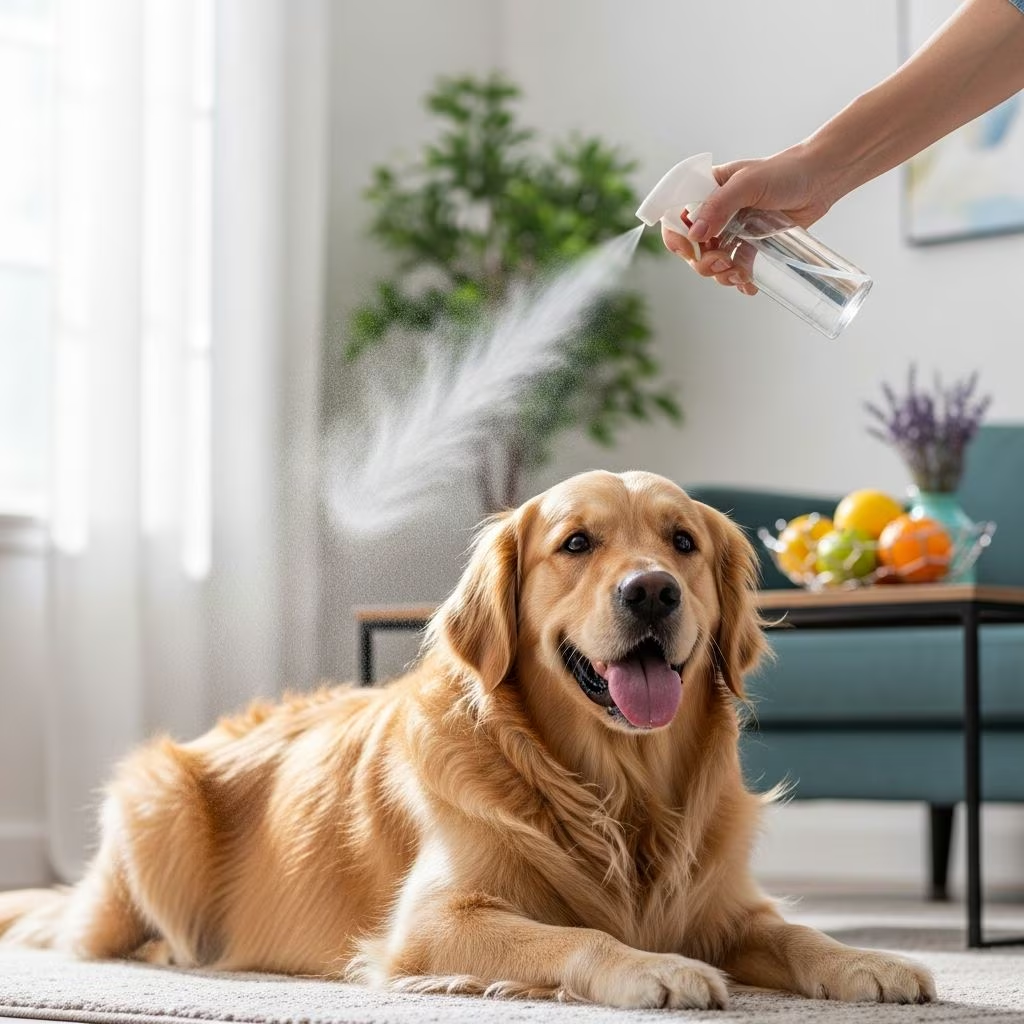
Unpleasant smells from dogs can turn a joyful pet ownership experience into a frustrating challenge. Whether it’s a musty scent from their coat, fishy whiffs from anal glands, or lingering odors in your living spaces, understanding the causes and applying targeted solutions makes a significant difference. This guide explores comprehensive approaches to maintain freshness in your home and for your canine companion.
Understanding the Sources of Dog Odors
Dogs produce smells for various reasons, often linked to their biology and environment. Natural oils in their skin, when combined with dirt or moisture, create musty aromas. Wet fur releases bacterial compounds, intensifying the issue after baths or rain. Dental plaque leads to bad breath, while ear infections or anal gland problems emit distinct foul odors. Household accumulation of dander, hair, and accidents exacerbates the problem, trapping scents in fabrics and carpets.
Identifying the primary source is crucial. A persistent yeasty smell might indicate skin yeast overgrowth, whereas a strong fishy odor points to anal sacs needing expression. Regular observation helps pinpoint whether the issue stems from the dog itself or the surroundings.
Essential Grooming Routines for Freshness
Grooming forms the foundation of odor control. Regular maintenance distributes natural oils evenly, removes debris, and prevents buildup.
- Bathing Frequency: Bathe every 4-6 weeks using shampoos formulated for dogs, such as those with oatmeal or aloe vera to soothe skin without stripping oils. Thorough rinsing prevents residue that traps smells. For wrinkly breeds, clean folds meticulously to avoid bacterial growth.
- Brushing Habits: Brush 2-5 times weekly to shed loose fur and stimulate skin health. This reduces dander circulation and keeps the coat clean.
- Dental Hygiene: Brush teeth daily with enzymatic toothpaste and provide chews to combat tartar, a common breath culprit.
Professional grooming every 4-8 weeks includes nail trims and anal gland expression if your dog scooting indicates issues.
Targeted Cleaning for Your Pet’s Belongings
Your dog’s bed and accessories harbor the most concentrated odors from saliva, urine traces, and skin cells.
- Wash bedding weekly in hot water with pet-safe detergent. For non-washable items, vacuum thoroughly and sprinkle baking soda before brushing it off.
- Spray fabrics with a vinegar-baking soda mix: equal parts white vinegar and water, then dust with baking soda and vacuum after drying.
- Replace old beds if odors persist; opt for machine-washable, quick-drying materials treated with stain repellents.
Collars and toys also need attention—wipe with vinegar solutions and air dry to eliminate trapped smells.
Household Strategies to Neutralize Lingering Smells
A clean home amplifies grooming efforts. Focus on high-traffic areas where dog scent accumulates.
| Area | Cleaning Method | Frequency |
|---|---|---|
| Carpets & Rugs | Vacuum daily, steam clean monthly with pet-safe solutions | Daily vacuum, monthly deep clean |
| Furniture | Baking soda sprinkle, brush, vacuum; vinegar wipe for leather | Weekly |
| Floors | Sweep/mop with pet-specific cloths or vinegar solution | Daily |
| Air | Change HVAC filters, use purifiers | Monthly filters, continuous purifier |
Vacuum relentlessly, including curtains and vents, to capture hair and dander. Open windows for ventilation and employ air purifiers to filter bacteria and allergens. Use blacklights to spot urine stains, treating with enzymatic cleaners.
Natural Remedies and Safe Products
Household staples offer effective, chemical-free options.
- Baking Soda: Absorbs odors universally—sprinkle on surfaces, wait hours, vacuum.
- Vinegar Solutions: Mix 1:1 with water for sprays on fabrics; add to laundry for bedding.
- Essential Oils: Diffuse pet-safe scents like lavender cautiously, avoiding direct pet contact.
- Commercial Aids: Pet odor eliminators like Febreze Fabric Pet Odor Fighter for quick refreshes. Choose shampoos with natural deodorizers such as citrus or tea tree.
Always test products on small areas to prevent discoloration.
Health Checks to Prevent Chronic Odors
Odors signal potential medical issues. Consult a vet if smells persist post-grooming.
- Skin allergies or infections cause yeasty scents; treatments include medicated shampoos.
- Ear problems yield foul discharges—clean gently and seek professional care.
- Diet impacts gas and breath; high-quality foods support digestion.
- Anal gland issues require veterinary expression or dietary fiber adjustments.
Annual checkups ensure early detection, promoting overall health and reduced smells.
Diet and Lifestyle Adjustments
Internal health influences external scents. Feed premium kibble with probiotics for gut balance, minimizing flatulence. Plenty of water and exercise prevent dehydration-related odors. Outdoor time reduces indoor accidents, but prompt cleanup with enzymatic sprays is key.
Common Mistakes to Avoid
Overbathing dries skin, worsening smells—stick to vet-recommended schedules. Human shampoos irritate, promoting bacterial growth. Neglecting drying after wetting traps moisture, amplifying wet-dog scent. Skipping dental care lets plaque fester undetected.
FAQs
Why does my dog smell bad even after a bath?
Underlying issues like infections, allergies, or inadequate rinsing cause this. Address root causes with vet guidance and proper technique.
How often should I bathe my dog to control odor?
Every 3-4 months suffices for most, using moisturizing shampoos to avoid skin dryness.
Can baking soda safely deodorize my dog’s bed?
Yes, sprinkle liberally, let sit, then vacuum—it’s non-toxic and highly absorbent.
What home remedy works best for urine smells on carpets?
Vinegar-water solution followed by baking soda neutralizes effectively.
Do air purifiers help with dog odors?
Yes, they capture dander and bacteria, improving air quality.
Long-Term Maintenance Plan
Combine daily brushing, weekly bedding washes, monthly deep cleans, and quarterly baths for sustained results. Track progress and adjust based on your dog’s needs. A proactive routine ensures your home remains inviting and odor-free.
References
- 14 Ways To Get Rid Of The Dog Smell In Your House Once And For All — Homemade Simple. 2023. https://www.homemadesimple.com/pet/14-ways-to-get-rid-of-the-dog-smell-in-your-house-once-and-for-all/
- Smelly Dog? Here’s Why—and How To Get Rid of Dog Smell for Good — Chewy. 2024-10-15. https://www.chewy.com/education/dog/grooming/the-dog-odor-answer
- Smelly Dog? Try These 5 Dog Hygiene Tips — Animal Medical Center. 2024. https://www.amcvetmed.com/post/smelly-dog-5-dog-hygiene-tips
- Natural Ways to Remove Pet Odor Fast With Home Remedies — Tequesta Veterinary Clinic. 2023. https://tequestaveterinaryclinic.com/natural-home-remedies-to-remove-pet-odor-fast/



