

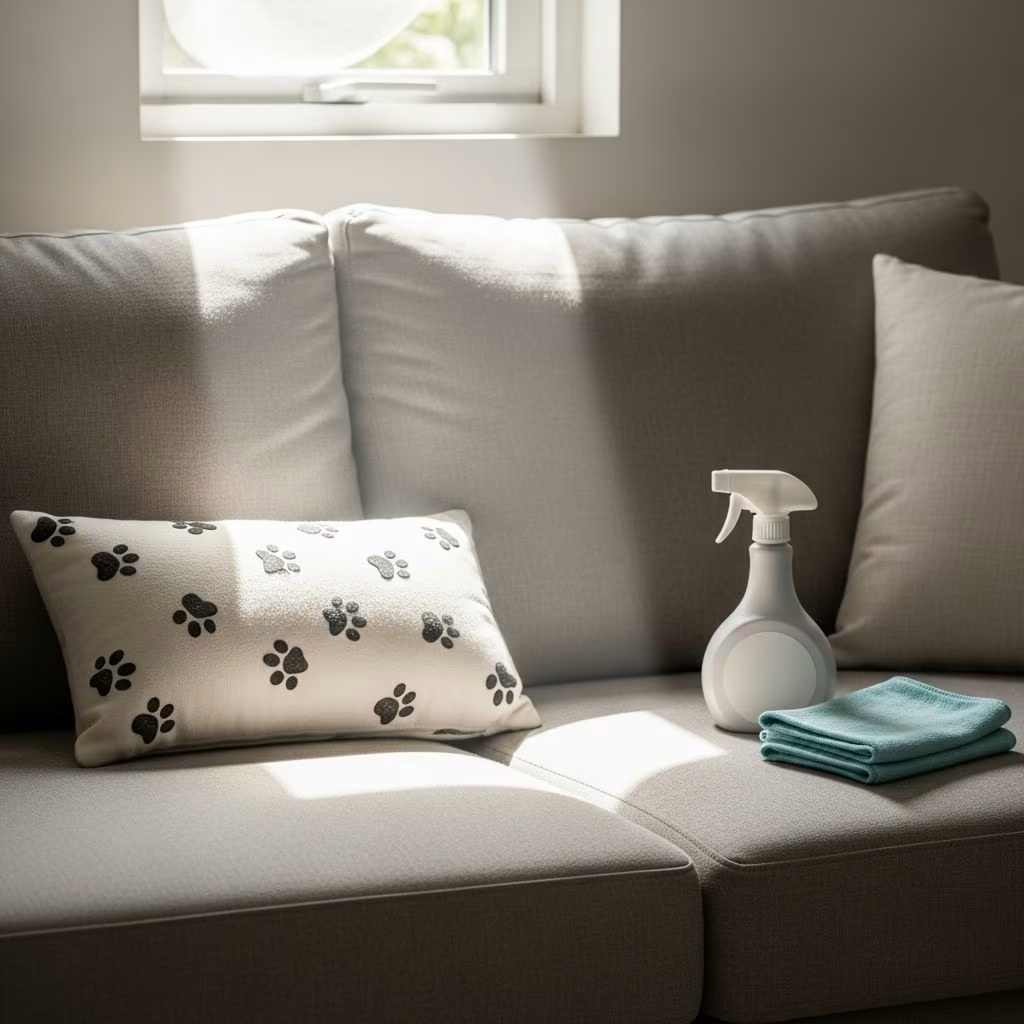
Living with dogs brings joy and companionship, but it often comes with an unwanted side effect: lingering odors embedded deep within your favorite furniture. Dog smells that permeate your couch can become increasingly stubborn over time, especially if your pet spends significant time lounging on the upholstered surface. The good news is that you don’t need to resign yourself to a perpetually smelly living room. With the right approach and readily available solutions, you can restore your couch to a fresh, odor-free state and maintain it that way for the long term.
Understanding the Source of Couch Odors
Before tackling the problem, it’s important to understand why dog odors are so persistent. Pet smells don’t simply sit on the surface of your furniture—they penetrate deep into the fabric fibers and can even reach the padding and cushion filling beneath. When dogs rest on upholstered furniture, they leave behind oils, moisture, dander, and sometimes accidental urine accidents that break down into their component compounds over time. These organic materials create an environment where bacteria thrive, intensifying the odor. Additionally, when moisture becomes trapped within the upholstery, it can cause the smell to activate and become more noticeable, particularly on humid days.
Quick Surface-Level Solutions for Immediate Relief
If you need a rapid improvement in your couch’s smell, several surface-level methods can help you achieve noticeable results within hours.
Baking Soda: The Powerhouse Odor Neutralizer
One of the most accessible and effective solutions is baking soda, a natural alkaline powder that chemically neutralizes acidic odor molecules rather than simply masking them. To use this method effectively, begin by vacuuming your couch to remove loose hair and surface debris. Then generously sprinkle baking soda across the affected areas, paying special attention to crevices, seams, and the spots where your dog spends the most time. Use a soft-bristled brush to work the powder into the fabric fibers gently, ensuring deep penetration. The baking soda should remain undisturbed for several hours—ideally overnight if the odor is particularly strong. During this time, the powder absorbs and neutralizes the odor-causing compounds. Once the waiting period is complete, thoroughly vacuum the entire couch surface, using your vacuum’s upholstery attachment to ensure complete removal. For removable cushion covers, consider adding one-quarter cup of baking soda directly to the washing machine for enhanced deodorizing power during the wash cycle.
White Vinegar Spray Treatment
White vinegar serves as an excellent natural deodorizer that breaks down the chemical compounds responsible for unpleasant pet smells. Create a simple but effective solution by combining equal parts white vinegar and water in a spray bottle. Rather than saturating your couch, which could damage the fabric or create moisture problems, lightly mist the affected areas until they’re barely damp. Allow the solution to sit for several minutes, giving it time to penetrate the fibers and interact with the odor-causing compounds. Using a clean, absorbent cloth, gently blot the treated areas to lift away both the solution and the trapped odors. Avoid rubbing, as this can push the vinegar deeper into the fabric. Allow your couch to air dry completely—opening windows and using fans can accelerate this process. As the vinegar evaporates, so does its distinctive scent, taking the dog odor with it.
Advanced Enzymatic Cleaning for Stubborn Odors
When natural solutions don’t fully resolve the problem, enzymatic cleaners provide a more powerful intervention. These specialized products work fundamentally differently from traditional cleaners by using biological enzymes to break down the protein-based compounds in pet urine and other organic materials.
Begin by blotting any fresh stains or visible wet spots with a clean cloth to absorb as much moisture as possible before applying the enzymatic cleaner. This initial step prevents spreading the problem deeper into the furniture. Next, apply the enzyme-based cleaner directly to the affected area according to the product’s specific instructions, which may vary by brand. Most enzyme cleaners require between 10 and 20 minutes to activate and work effectively. During this waiting period, the enzymes are actively breaking down the organic compounds at a molecular level. After the recommended time has elapsed, gently blot the area with a clean cloth to remove excess moisture, then allow the treated section to air dry completely. For removable cushion covers, pre-treat them with the enzymatic cleaner before tossing them in the washing machine for optimal results.
Steam Cleaning for Deep Penetration
Steam cleaning represents one of the most thorough approaches to eliminating deeply embedded dog odors, particularly when combined with enzymatic treatment. This method uses high-temperature steam to penetrate fabric fibers, dissolve organic residues, and neutralize odor-causing bacteria simultaneously. The process begins with thorough vacuuming to remove loose hair and surface debris. Next, apply a pet-safe enzymatic cleaner to break down urine compounds at their source. Once this has had time to work, use a fabric-safe steam cleaner or a carpet cleaning machine equipped with an upholstery attachment to thoroughly treat the couch. Use slow, overlapping strokes to ensure comprehensive coverage, and avoid rushing the process. Importantly, check your couch’s care label before steam cleaning—fabrics marked with an “S” or “X” may not tolerate moisture-based cleaning methods. Allow your couch to dry completely before using it again, which may take several hours depending on humidity levels and ventilation.
Maintaining Freshness Between Deep Cleans
Once you’ve successfully eliminated odors from your couch, maintaining that fresh condition requires consistent effort and preventive measures.
Regular Laundering of Removable Covers
Any cushion covers, pillowcases, or blankets that regularly contact your dog should be washed frequently using strong-performance laundry detergent. Washing these removable items weekly or biweekly prevents odors from migrating into the cushion filling itself, where they become exponentially more difficult to remove. This preventive approach saves considerable effort compared to trying to freshen already-saturated cushions.
Fabric Fresheners for Ongoing Maintenance
Fabric fresheners designed specifically for upholstery offer a practical maintenance solution between deep cleaning sessions. These products are formulated to target pet odors while leaving a pleasant scent. When selecting a fabric freshener, choose pet-safe options and ensure your dog doesn’t negatively react to the scent. While these products don’t permanently eliminate established odors, consistent use maintains a noticeably fresher-smelling couch when combined with other preventive measures.
Protective Barriers and Behavioral Management
Implementing physical barriers can significantly reduce how much odor accumulates on your couch. Consider placing washable throws or blankets across furniture where your dog typically rests. These protective layers can be easily removed and laundered, containing the odor problem to items that are simpler to clean than the couch itself. Additionally, establishing designated pet-free zones in your home and providing your dog with their own comfortable furniture encourages them to rest in more manageable locations.
Choosing Between Methods: A Practical Comparison
| Method | Effectiveness | Cost | Time Required | Best For |
|---|---|---|---|---|
| Baking Soda | Moderate | Very Low | Overnight | Light odors, budget-conscious approach |
| White Vinegar | Moderate | Very Low | 1-2 hours | Quick treatment, natural preference |
| Enzymatic Cleaners | High | Moderate | 30 minutes | Urine-based odors, stubborn smells |
| Steam Cleaning | Very High | Moderate to High | 3-4 hours | Deep cleaning, comprehensive refresh |
| Fabric Fresheners | Low (temporary) | Low to Moderate | 15 minutes | Maintenance, quick freshening |
Frequently Asked Questions
How long does it take to eliminate dog odors from a couch?
The timeline depends on the method chosen and the severity of the odor. Baking soda and vinegar treatments typically show results within a few hours to overnight, while enzymatic cleaners work within 20-30 minutes. Steam cleaning provides the most comprehensive results but may require several hours for the couch to dry completely. Particularly stubborn odors might require multiple treatments or a combination approach.
Is it safe to use these methods around my dog?
Most natural methods like baking soda and white vinegar are safe for dogs once completely dry or removed from the surface. However, enzymatic cleaners should be applied when your dog is not in contact with the treated area, and the couch should be thoroughly dried before your pet returns. Always ensure your dog cannot access products during application and drying periods.
Can I prevent dog odors from returning?
Yes, prevention is highly effective when combined with maintenance. Regular vacuuming, washing removable covers frequently, providing alternative furniture for your dog, and treating small accidents immediately all significantly reduce odor accumulation over time.
What if natural methods don’t work?
If baking soda, vinegar, and fabric fresheners fail to resolve the problem, enzymatic cleaners are the next logical step due to their stronger formula and ability to break down stubborn compounds. If enzymatic cleaners prove insufficient, professional steam cleaning or hiring a furniture cleaning service should be considered, as they have access to commercial-grade equipment and solutions.
Moving Forward with a Fresh-Smelling Living Space
Dog odors on your couch don’t represent a permanent condition—they respond well to targeted treatment strategies. Whether you choose the economical approach of baking soda, the quick action of vinegar spray, the powerful effectiveness of enzymatic cleaners, or the comprehensive solution of steam cleaning, you have viable options at multiple price points and time commitments. The key to long-term success lies in consistent preventive maintenance combined with prompt treatment of new odors as they arise. By implementing these strategies, you can enjoy your couch’s comfort alongside your canine companion without the unwanted side effect of persistent, unpleasant smells.
References
- How to Remove Pet Hair and Odors From Upholstered Furniture — Zero Rez. 2024. https://www.zerorez.com/blog/how-to-remove-pet-hair-and-odors-from-upholstered-furniture
- 8 Effective Ways to Get Pet Smell Out of a Couch — Cozy Living. 2024. https://cozyliving.com.au/blogs/news/get-pet-smell-out-couch
- 6 Tips to Get the Dog Smell Out of Your Couch — Angry Orange. 2024. https://angryorange.com/blogs/news/how-to-remove-dog-smell-from-your-couch



