

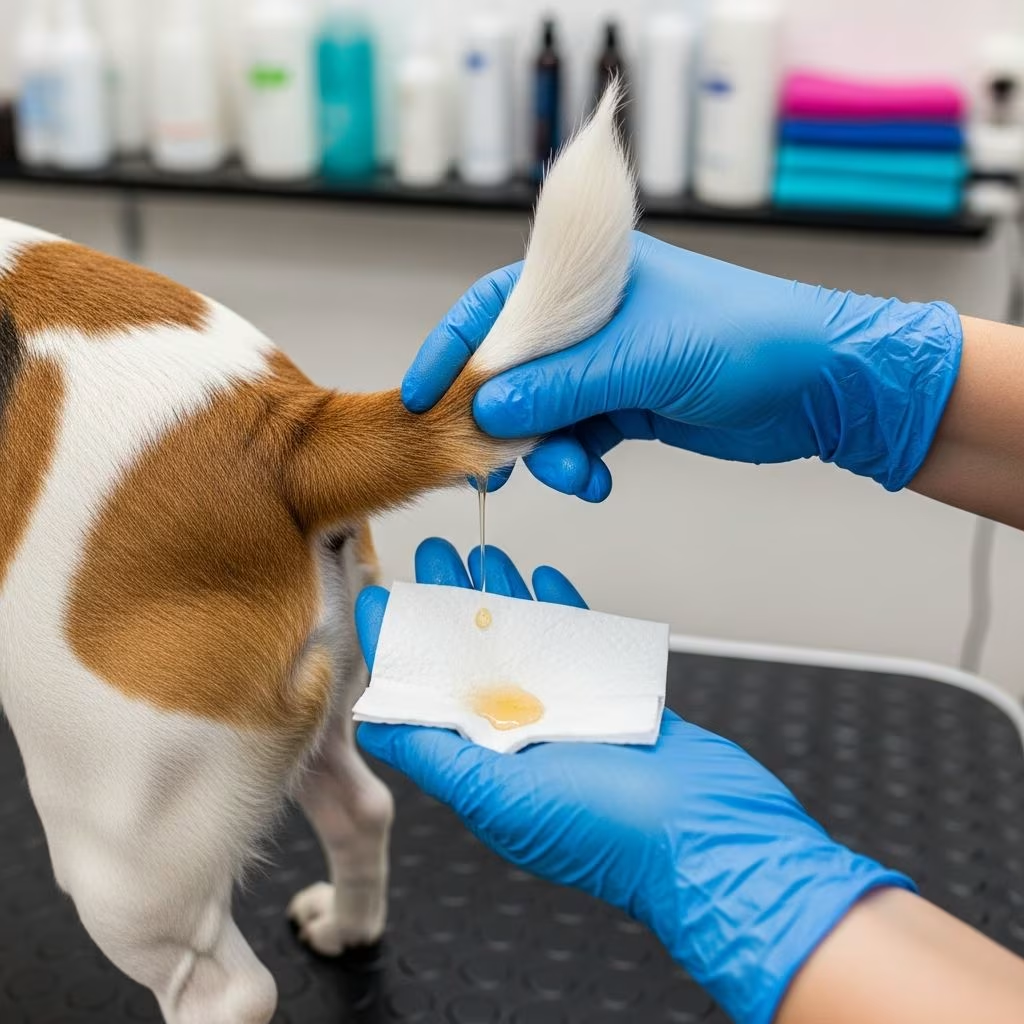
Dogs often develop a strong fishy odor from their anal glands, small sacs near the anus that produce a pungent secretion for scent marking. When these glands fail to empty naturally, the smell intensifies, signaling potential impaction, infection, or other issues. Addressing this promptly improves your dog’s comfort and home hygiene.
Understanding Canine Anal Glands and Their Function
Anal glands, also called anal sacs, sit on either side of a dog’s anus at the 4 and 8 o’clock positions. They secrete a thick, oily fluid during defecation to mark territory, aiding communication with other dogs. Firm stools typically press against these sacs, expressing fluid naturally. However, soft stools, obesity, or allergies can prevent proper emptying, leading to buildup.
In healthy dogs, you won’t notice the glands or their smell. Problems arise when fluid accumulates, causing discomfort and that unmistakable fishy stench. Small breeds like Chihuahuas and Dachshunds are prone due to weaker sphincter muscles, while larger breeds may face issues from poor diet or inactivity.
Recognizing Signs of Anal Gland Problems
Early detection prevents escalation. Watch for these common indicators:
- Fishy or rotten odor: The hallmark sign, often lingering on fur, bedding, or furniture.
- Scooting on floors: Dogs drag their rear to relieve pressure from full glands.
- Excessive licking or chewing: Around the anus or tail base, sometimes leading to hair loss or infections.
- Swelling or lumps: Near the anus, indicating impaction or abscess.
- Straining to defecate: Or blood in stool from irritation.
If multiple signs appear, schedule a vet visit. Untreated issues can lead to painful abscesses requiring drainage or antibiotics.
Immediate Steps to Neutralize the Odor
While awaiting professional help, reduce the smell at home safely. Avoid forcing gland expression yourself unless trained, as it risks injury.
- Clean the area: Use pet-safe wipes with enzymatic deodorizers to break down odors without masking them. Wipe gently around the anus post-defecation.
- Warm compress: Apply a clean cloth soaked in warm water for 5-10 minutes, 2-3 times daily, to soften contents and ease discomfort.
- Bathe selectively: Focus on the rear with mild dog shampoo, drying thoroughly to prevent bacterial growth.
These steps provide temporary relief but don’t resolve underlying causes.
Professional Treatments for Anal Gland Issues
Veterinarians diagnose via physical exam, including rectal palpation, and may use imaging for severe cases. Treatment varies by severity:
| Condition | Treatment Options | Expected Outcome |
|---|---|---|
| Impaction | Manual expression by vet or groomer; fiber supplements | Quick odor relief; natural emptying promoted |
| Infection/Abscess | Antibiotics, antiseptics, flushing, hot compresses | Healing in 1-2 weeks; prevents rupture |
| Chronic Disease | Supplements, diet change, medicated sprays | Long-term management |
| Tumors/Severe Cases | Surgery to remove sacs; biopsy | High success rate; minimal lifestyle impact |
Manual expression involves external or internal squeezing to release fluid. Vets ensure complete emptying without overdoing it, which could cause scarring. For infections, topical steroids or hydrocortisone sprays soothe inflammation. Surgery is rare, reserved for non-responsive cases or cancer.
Nutritional Strategies to Support Gland Health
Diet plays a pivotal role. High-fiber foods create bulkier stools that naturally express glands.
- Increase fiber gradually: Add canned pumpkin (1-2 tsp per 10 lbs body weight daily), sweet potatoes, or green beans to meals. Transition over a week to avoid digestive upset.
- Probiotics and supplements: Products with prebiotics, probiotics, and soluble/insoluble fibers balance gut flora and firm stools. Consult your vet for brands like those with digestive enzymes.
- Hydration boost: Ensure constant fresh water access; add broth to encourage drinking, aiding stool consistency.
A vet may prescribe hydrolyzed diets for allergies contributing to soft stools. Monitor improvements in 2-4 weeks.
Lifestyle Changes for Prevention
Proactive habits minimize recurrence:
- Daily exercise: 30-60 minutes of walks or play firms stools and tones muscles.
- Regular grooming: Trim rear fur, bathe bi-weekly, use wipes weekly.
- Stool checks: Ideal stools are firm logs; adjust diet if too soft.
- Weight management: Obesity hinders natural expression; maintain ideal body condition.
Schedule gland checks every 3-6 months for prone breeds.
Home vs. Professional Care: A Comparison
| Aspect | Home Care | Professional Care |
|---|---|---|
| Safety | Supportive only; risk of error | Trained, sterile, complete |
| Effectiveness | Temporary odor control | Addresses root cause |
| Frequency | Daily hygiene | As needed, per exam |
| Cost | Low (wipes, fiber foods) | $20-100 per visit |
Combine both for best results, always prioritizing vet guidance.
Frequently Asked Questions (FAQs)
Can I express my dog’s anal glands at home?
It’s possible if trained, but vets recommend against it for beginners due to injury risks. Learn from a professional first.
How often should anal glands be expressed?
Only when full; over-expression causes problems. Most dogs self-express with proper diet.
Why does my dog smell like fish suddenly?
Likely full glands; check for scooting or licking. Vet evaluation rules out infections.
Are anal gland supplements effective?
Yes, fiber-probiotic blends help many dogs by improving stool quality.
Is surgery common for anal gland issues?
No, only for recurrent abscesses or tumors. Most resolve with conservative care.
Long-Term Monitoring and When to Seek Urgent Care
Track symptoms post-treatment. Return to the vet if odor returns, swelling worsens, or your dog shows lethargy/fever—signs of abscess rupture. Routine wellness exams catch issues early.
With consistent care, most dogs live odor-free. Partner with your vet for tailored plans, ensuring your companion stays happy and healthy.
References
- How To Get Rid of Dog Anal Gland Smell — Vetnique Labs LLC. 2023. https://vetnique.com/blogs/news/how-to-get-rid-of-dog-anal-gland-smell
- How to Get Rid of Dog Gland Smells — Park Veterinary Hospital. 2024. https://parkvet.net/blog/how-to-get-rid-of-dog-gland-smell/
- The Real Reason Your Dog Smells Like Fish — American Kennel Club. 2023-05-15. https://www.akc.org/expert-advice/health/real-reason-dog-smells-like-fish/
- Dog Anal Glands: Common Problems, Treatment, and Prevention — PetMD. 2024. https://www.petmd.com/dog/general-health/dog-anal-glands
- Anal Gland Issues in Dogs: What to Be Aware of — Partners Animal Hospital West Loop. 2023. https://partnersvetwl.com/?p=4885



