

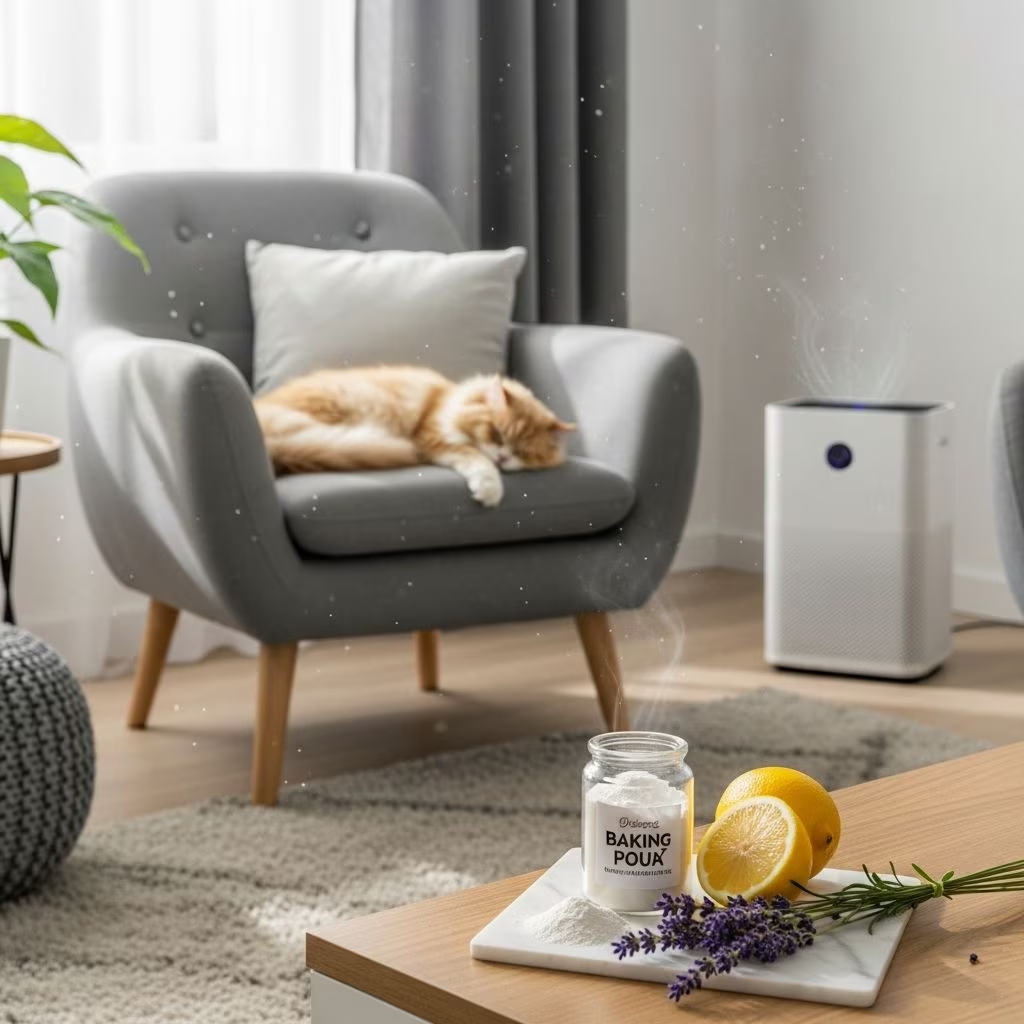
Cat odors can infiltrate every corner of your home, from litter boxes to upholstery, creating persistent challenges for pet owners. Effective elimination requires understanding the sources—primarily urine, feces, and litter buildup—and applying targeted cleaning methods alongside preventive measures. This guide explores science-backed techniques, household remedies, and long-term strategies to restore freshness.
Understanding the Science Behind Cat Smells
Cat urine contains urea, which bacteria break down into ammonia, producing a sharp scent. Feces odors stem from sulfur compounds and bacteria, while litter boxes amplify issues through moisture retention. Enzyme cleaners excel here, as their proteins digest these organic compounds at the molecular level, preventing residue that attracts re-marking. Oxidation methods, like hydrogen peroxide, further dismantle odor molecules by altering their structure.
Top Cleaning Solutions for Immediate Results
Start with products designed for pet messes. Enzymatic cleaners break down urine’s proteins, uric acid crystals, and bacteria, outperforming ammonia-based cleaners that mimic urine scents and encourage repeat accidents. Apply by soaking the area, letting it dwell for 15 minutes, then blotting dry.
- Enzyme Cleaners: Ideal for fabrics and hard surfaces; test in hidden spots first.
- Hydrogen Peroxide Mix: Dilute 1:3 with water to oxidize stubborn stains without bleaching most surfaces.
- Vinegar Solution: Equal parts water and white vinegar neutralizes alkaline urine salts, safe for leather and floors.
For carpets, blot excess liquid first, apply cleaner, and use an extracting vacuum to pull out residues—avoid steam cleaners, which set odors deeper.
Household Hacks for Everyday Odor Control
Common pantry items offer powerful, budget-friendly options. Baking soda absorbs odors through adsorption, trapping volatile compounds; sprinkle liberally on affected areas, wait overnight, and vacuum.
| Method | How to Use | Best For | Pros | Cons |
|---|---|---|---|---|
| Baking Soda | Sprinkle, wait 15min-overnight, vacuum | Couches, carpets | Cheap, natural | May need repeat applications |
| White Vinegar | 1:1 with water, spray and dry | Hard floors, leather | Neutralizes ammonia | Vinegar smell temporary |
| Activated Carbon | Place filters near litter box | Air purification | Captures VOCs continuously | Requires replacement |
| Stainless Steel | Rub under water on surfaces/hands | Sulfur smells from waste | Chemically binds odors | Surface-specific |
Stainless steel releases ions that bind sulfur, neutralizing feces odors instantly. Mouthwash, diluted post-cleaning, kills bacteria in litter boxes via antimicrobials like cetylpyridinium chloride.
Reviving Furniture and Soft Surfaces
Couches and cushions trap odors in fibers. For urine-soaked cushions: blot, saturate with enzyme cleaner, dwell 15 minutes, blot again, and air dry fully to prevent mildew. Pair with odor eliminators containing orange oil for masking during drying.
- Blot excess moisture immediately.
- Apply enzyme solution generously.
- Allow 15-30 minutes penetration.
- Extract or blot; restrict cat access until dry.
Mattresses follow similar steps but require ventilation to avoid moisture buildup.
Litter Box Mastery: Preventing Persistent Stinks
A clean litter box is the cornerstone of odor control. Scoop daily, use clumping litter, and deep-clean weekly with vinegar or peroxide solutions. Place activated carbon filters or air purifiers nearby to capture airborne particles.
- Choose high-quality, odor-absorbing litters.
- Wipe interiors with diluted mouthwash for antibacterial action.
- Ensure multiple boxes in multi-cat homes.
Whole-Home Strategies for Lasting Freshness
Air purifiers with HEPA and carbon filters remove VOCs effectively. Regular vacuuming with pet-specific tools traps dander and hair, reducing odor sources. Grooming—brushing weekly and trimming rear fur—minimizes natural body odors.
Health Checks: When Odors Signal Issues
Strong urine smells may indicate urinary tract infections or diabetes; consult a vet if persistent. Neutering reduces marking and muskier scents.
Prevention Blueprint for Odor-Free Living
Institute routines: daily scooping, weekly washes, monthly deep cleans. Combine methods—oxidation for spots, adsorption for air, enzymes for stains—for comprehensive control.
Frequently Asked Questions
What removes cat urine smell best?
Enzyme cleaners are most effective, digesting uric acid crystals that cause lingering odors.
Can vinegar damage fabrics?
Diluted vinegar is safe for most; test first and rinse if needed.
How often should I clean the litter box?
Scoop daily, full clean weekly to prevent bacterial buildup.
Do air purifiers help with pet odors?
Yes, those with activated carbon excel at trapping VOCs.
Why does my cat’s urine smell stronger suddenly?
Possible diet changes, dehydration, or health issues—vet check recommended.
References
- 14 Advanced Odor Control Hacks Beyond Baking Soda — Furrbby. 2024. https://www.furrbby.com/blogs/blogs/14-advanced-odor-control-hacks-beyond-baking-soda
- 10 Helpful Hacks To Eliminate Cat Odors From Your Couch — Angry Orange. 2024. https://angryorange.com/blogs/news/10-hacks-to-eliminate-cat-odors-from-your-couch
- How To Get Rid of Cat Pee Smell — PetMD. 2025-02-10. https://www.petmd.com/cat/general-health/how-to-get-rid-of-cat-pee-smell
- How to Remove Pet Odor from Your Home: 10 Proven Methods — Topaz Vet. 2024. https://www.topazvet.com/remove-pet-odor-home-proven-methods/
- How to Remove Dog and Cat Urine Smell from Carpet — BISSELL. 2024. https://www.bissell.com/en-us/blog/how-to-remove-dog-and-cat-urine-smell-from-carpet/
- 9 Natural Ways to Reduce Unpleasant Cat Odor — Cats.com. 2024. https://cats.com/reduce-unpleasant-cat-odor



