

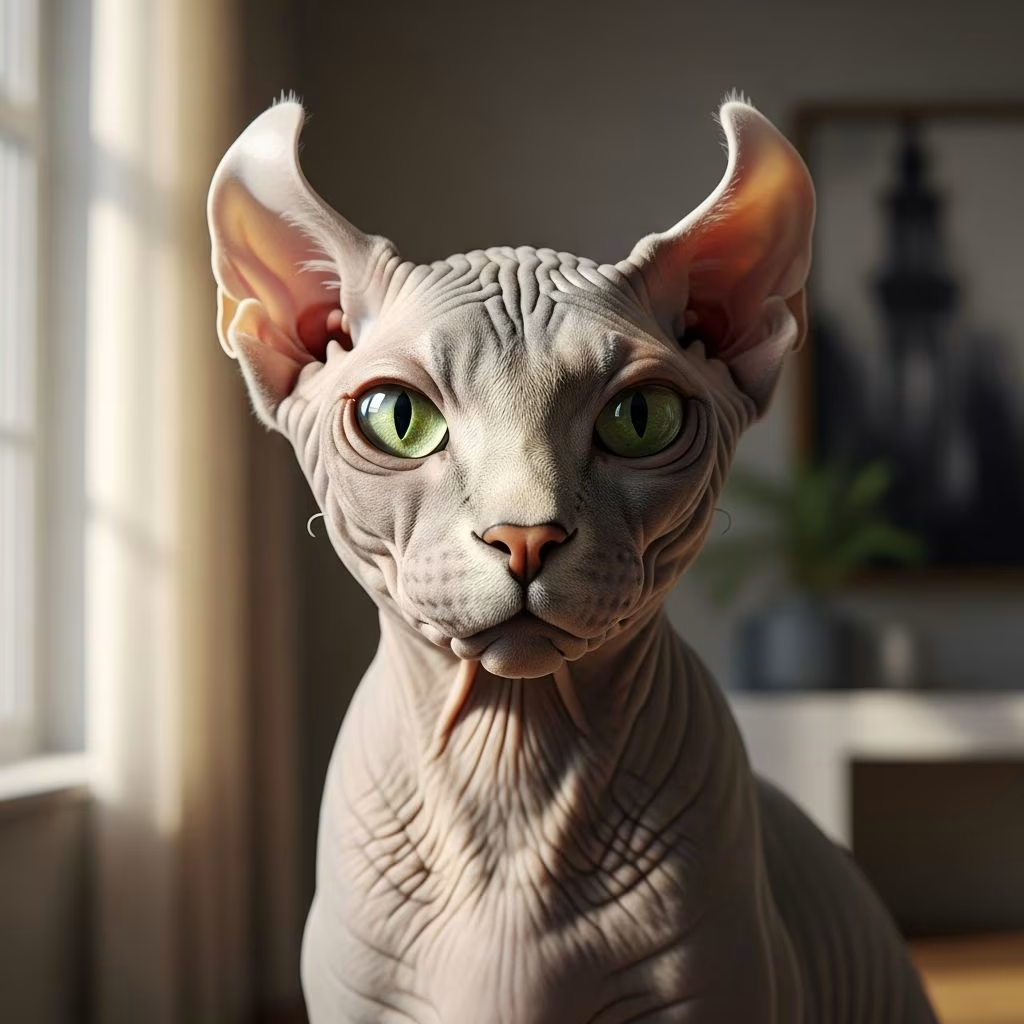
The Elf cat represents one of the feline world’s most distinctive and visually striking hybrid breeds. Combining the hairless qualities of the Sphynx with the backward-curling ears of the American Curl, this relatively young breed has captured the hearts of cat enthusiasts despite its limited availability and lack of official recognition from major cat registries. Understanding this exceptional feline requires examining its origins, physical characteristics, behavioral traits, and specific care needs that distinguish it from conventional domestic cats.
The Genesis of an Extraordinary Breed
The Elf cat’s creation story began in 2004 when Karen Nelson and Kristen Leedom undertook an ambitious breeding project in the United States. These visionary breeders spent approximately three years developing the breed standard, conducting careful research from 2004 to 2006 to perfect their vision. Their goal was elegantly straightforward yet ambitious: to develop a feline that would possess both the distinctive hairlessness of the Sphynx breed alongside the uniquely curved ears characteristic of the American Curl.
The breeding process involved strategic crosses between these two established breeds. By blending the warm, affectionate temperament of the Sphynx with the striking ear morphology of the American Curl, Nelson and Leedom successfully created a cat breed unlike any other. Interestingly, one of the original breeders, Karen Nelson, suffered from cat allergies, yet found that the Elf breed’s hairless nature allowed her to keep feline companions without triggering her allergic responses.
Physical Characteristics and Distinctive Appearance
The Elf cat’s most immediately striking feature is its nearly complete lack of hair. While some individuals display fine, downy covering across their bodies, most Elf cats are genuinely hairless, featuring only sparse patches of light hair around the nose, tail, and toes. This distinctive feature places them alongside other hairless breeds such as the Kohona.
Size and Build Structure:
- Height: Approximately 22 to 25 centimeters at the withers
- Weight: Typically ranges from 4.5 to 7 kilograms
- Body type: Medium to large frame with well-defined musculature
- Overall proportion: Longer than tall with a lean, athletic silhouette
Despite their delicate appearance, Elf cats possess remarkable muscular definition that becomes particularly evident due to their hairless state. Their bodies showcase an athletic physique accentuated by long, tapered tails that contribute to their graceful movement.
Distinctive Facial Features:
The head structure of an Elf cat displays an elongated, somewhat dog-like appearance with prominent cheekbones and pronounced whisker pads. The most iconic facial element is the walnut-shaped eyes, which appear unusually large and expressive due to the absence of surrounding fur. These eyes typically range in color from yellow to green, though pointed Elf cats often display striking blue eyes.
Perhaps the most recognizable feature is the ears. These distinctive appendages are wide at the base and elegantly curve backward in a smooth arc, creating the “elf-like” appearance that inspired the breed’s name. The ears set atop the head with folding skin around them, creating a striking silhouette reminiscent of fantasy illustrations.
Skin Characteristics and Coloration:
Elf cats display considerable variety in skin tone and pattern. The hairless skin often creates natural folds, particularly around the shoulders, legs, and head area. All color variations and patterns are permissible within the breed standard. The exposed skin can present different pigmentation, though consistent grooming and sun protection remain essential for maintaining skin health.
Temperament and Behavioral Traits
Elf cats possess distinctive personality characteristics that make them exceptional companion animals. These felines are renowned for their intelligence, sociable disposition, and playful nature. Unlike some independent cat breeds, Elf cats are intensely people-oriented and thrive on human interaction and companionship.
Social Orientation and Attachment:
Elf cats demonstrate strong attachment bonds with their human family members. They are known for following their owners throughout the home, investigating whatever their people touch, and seeking involvement in household activities. These cats actively communicate with their human companions, often engaging in extensive “conversations” through vocalizations. Their extroverted nature means they genuinely enjoy being the center of attention and participating in family dynamics.
Compatibility and Social Dynamics:
- Excellent with children when properly introduced and supervised
- Generally friendly and gentle toward other household pets, including dogs and rabbits
- Adapt well to new environments and social situations
- Positively receive strangers, often displaying openness and friendliness
- Dislike extended periods of solitude and thrive in active households
Cognitive Abilities and Enrichment Needs:
Intelligence defines the Elf cat’s cognitive profile. These cats require constant mental and physical stimulation to prevent boredom-related behavioral issues. Without adequate engagement, their curious and agile nature may lead them to create their own adventures, potentially accessing areas or engaging in behaviors their owners might prefer to prevent. Providing diverse toys, interactive games, and climbing opportunities helps satisfy their intellectual requirements.
Health Considerations and Vulnerability Factors
The Elf cat’s distinctive hairlessness, while visually remarkable, creates specific health vulnerabilities that potential owners must understand and address. These cats lack the protective barrier that fur provides to most felines, making them susceptible to various environmental and temperature-related challenges.
Temperature Sensitivity:
Perhaps the most critical consideration involves Elf cats’ extreme sensitivity to temperature fluctuations. These cats become chilled rapidly in cool environments and cannot tolerate cold conditions. Additionally, their exposed skin makes them vulnerable to sunburn when exposed to direct sunlight for extended periods. Owners must maintain warm, stable indoor environments and provide protective clothing when necessary.
Environmental Considerations:
- Susceptibility to common colds and respiratory infections
- Increased risk of skin infections without proper hygiene
- Vulnerability to harsh weather conditions
- Need for protected outdoor access when permitted
Ethical and Welfare Concerns:
It’s important to acknowledge that some animal welfare advocates consider hairless cat breeds products of potentially problematic breeding practices focused on extreme aesthetics. The deliberate breeding for hairlessness raises ethical questions that prospective owners should thoughtfully consider. The health challenges associated with the hairless trait—including skin sensitivities, temperature regulation difficulties, and other complications—must be weighed against the desire for this distinctive appearance.
Care Requirements and Maintenance Protocols
Elf cats demand more intensive care than most conventional cat breeds. Their unique physical characteristics necessitate specialized grooming, environmental management, and health monitoring approaches.
Grooming and Skin Care:
Despite lacking fur, Elf cats require substantial grooming attention. Their skin produces natural oils that would normally be distributed through fur, creating a buildup on their exposed skin. Regular bathing—typically weekly or bi-weekly—helps maintain skin health and prevents oil accumulation. Owners must use gentle, cat-safe bathing products and ensure thorough drying to prevent skin complications. The folds around their body require particular attention, as moisture and debris can accumulate in these areas.
Environmental Management:
Indoor living is strongly recommended for Elf cats, with only supervised outdoor access in secure, protected garden environments. Home environments should maintain consistent, comfortable temperatures year-round. Owners might provide protective cat clothing for additional warmth during cooler months and ensure adequate shelter from direct sunlight during warmer periods.
Physical Activity and Enrichment:
Elf cats love to climb and remain highly active throughout their lives. Providing multiple scratching posts, climbing structures, and vertical spaces keeps them physically fit and mentally stimulated. Interactive toys, puzzle feeders, and regular play sessions fulfill their need for engagement and prevent destructive behaviors.
Breeding Considerations and Genetic Factors
Understanding breeding practices helps clarify the Elf cat’s genetic composition and potential characteristics in offspring. Elf cats can be crossed with Canadian Sphynx cats, resulting in litters where approximately half the kittens will have regular ears while the other half display the distinctive curled ears.
The most successful breeding approach involves crossing two Elf cats together. This pairing maximizes the likelihood of maintaining breed standards, ensuring that virtually every kitten in the litter will express the characteristic curved ears. However, breeding for specific traits remains challenging due to the breed’s rarity and limited genetic pool.
Recognition Status and Breed Registries
As of current standards, the Elf cat remains largely unrecognized by major feline registries. The International Cat Association (TICA) and the Cat Fanciers’ Association (CFA) do not officially recognize the Elf as a distinct breed. However, TICA acknowledges Elf cats as a subspecies of the Canadian Sphynx, and the Australian National Cats (ANCats) lists the Elf as an experimental breed. This limited recognition reflects the breed’s relative youth and the ongoing debates about breeding ethics surrounding hairless cat varieties.
Frequently Asked Questions
Do Elf cats genuinely possess magical abilities?
The name “Elf” was inspired by the fantasy creature’s pointed ears depicted in legends and films. However, this nomenclature is purely fanciful, and Elf cats possess no magical abilities whatsoever—they are conventional felines with distinctive physical characteristics.
Are Elf cats truly hypoallergenic?
While hairlessness might suggest reduced allergen production, Elf cats are not considered hypoallergenic. Cat allergies result from proteins in saliva and skin oils rather than fur alone. However, individuals with fur allergies specifically might experience fewer reactions.
What is the typical lifespan of an Elf cat?
Specific lifespan data for Elf cats remains limited due to their recent development and rarity. However, crossbred cats often benefit from hybrid vigor, potentially living lengthy, healthy lives when provided with proper care.
Can Elf cats live outdoors?
Elf cats are unsuitable for outdoor living due to temperature sensitivity and sun exposure risks. They should remain primarily indoors with only supervised, protected outdoor access in secure garden environments.
Conclusion: Is an Elf Cat Right for You?
The Elf cat represents a remarkable achievement in selective breeding, combining distinctive physical traits with engaging personality characteristics. However, potential owners must carefully consider whether they can meet this breed’s specific care requirements, acknowledge ethical breeding considerations, and commit to addressing the substantial grooming and environmental management demands these cats necessitate.
For dedicated, informed owners prepared to provide intensive care and create suitable living environments, Elf cats can become cherished, affectionate companions that bring unique joy and conversation-starting beauty to their households. The decision to welcome an Elf cat should reflect thorough understanding of both the breed’s remarkable qualities and its substantial care prerequisites.
References
- All About Elf Cat Breed — Animalia. https://animalia.bio/pets/elf-cat
- Elf Cat: Behaviour, Price, Appearance — Zooplus Magazine. https://www.zooplus.co.uk/magazine/cat/cat-breeds/elf-cat
- Elf Breed Profile — ZooBonus. https://zoobonus.ua/en/breed/elf



