

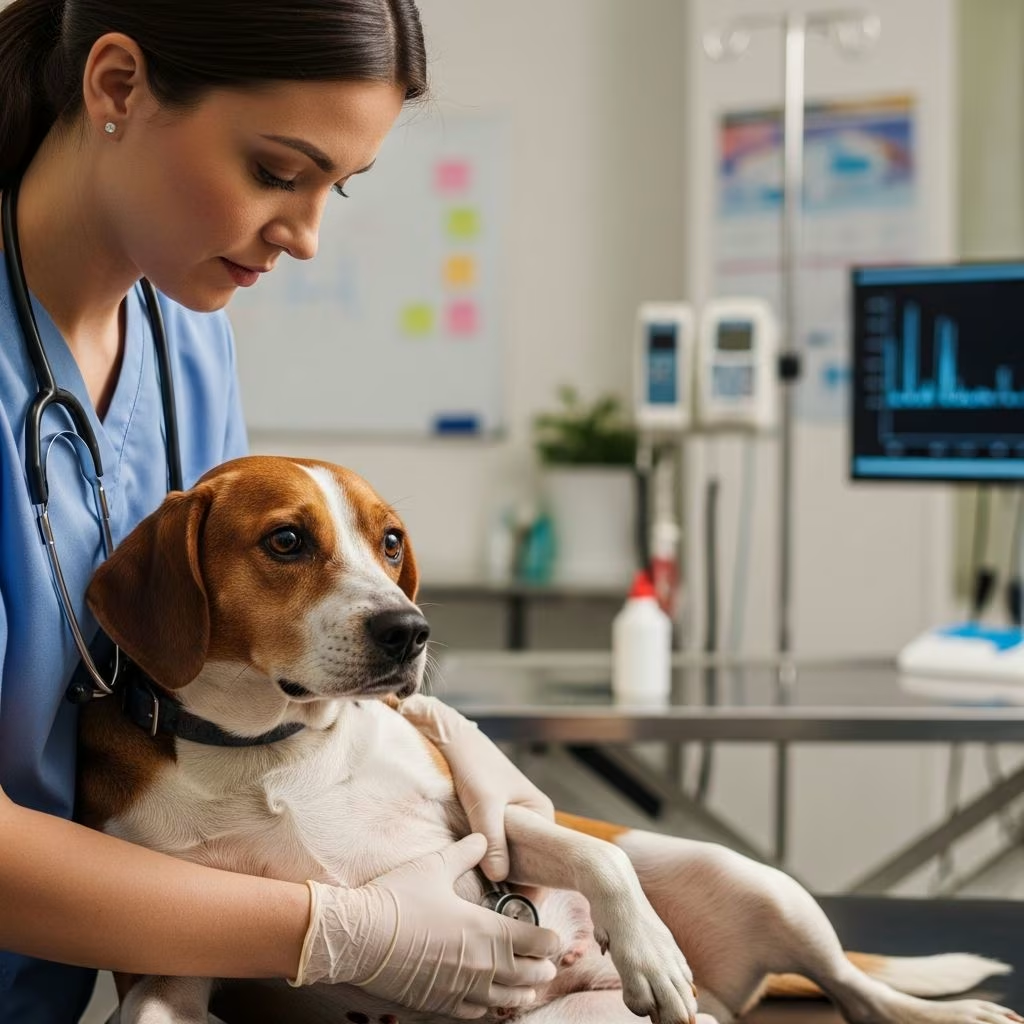
The liver plays a vital role in a dog’s body, handling detoxification, metabolism, and nutrient processing. When blood tests reveal **elevated liver enzymes**, it often points to underlying issues affecting this essential organ. Enzymes such as ALT, AST, ALP, and GGT leak into the bloodstream when liver cells are damaged or inflamed, serving as early warning signals.
Understanding Key Liver Enzymes and Their Significance
Liver enzymes are proteins released during cellular stress or injury. Here’s a breakdown of the primary ones monitored in canine bloodwork:
- ALT (Alanine Aminotransferase): Highly specific to the liver; elevations strongly suggest hepatocellular damage.
- AST (Aspartate Aminotransferase): Found in liver and muscles; less specific but useful when paired with ALT.
- ALP (Alkaline Phosphatase): Produced by liver, bones, and under steroid influence; common in growing pups or dogs on medications.
- GGT (Gamma-Glutamyl Transferase): Indicates bile duct issues or cholestasis when elevated alongside ALP.
Mild, transient rises might occur from stress or recent meals, but persistent or marked increases—typically over three times the upper reference limit—warrant investigation.
Common Triggers for High Liver Values
Elevated enzymes stem from primary liver conditions or secondary factors elsewhere in the body. Primary causes directly impact liver tissue, while extrahepatic issues indirectly affect it.
Primary Liver-Related Causes
- Infectious hepatitis from viruses, bacteria, or parasites causing inflammation.
- Benign nodular hyperplasia, frequent in senior dogs, leading to nodule formation without malignancy.
- Toxins like aflatoxins, xylitol, or lead, which induce enzyme activity or cell death.
- Congenital defects such as portosystemic shunts or copper accumulation diseases.
- Cholangitis (bile duct inflammation) and cirrhosis (scarring from chronic damage).
- Neoplasms including lymphoma, hemangiosarcoma, or carcinomas.
Extrahepatic Contributors
Conditions outside the liver can elevate enzymes through congestion, metabolic changes, or inflammation spillover:
| Condition | How It Affects Liver Enzymes |
|---|---|
| Cushing’s Disease (Hyperadrenocorticism) | Excess steroids cause liver swelling and ALP spikes. |
| Pancreatitis | Inflammation spreads, raising ALT/AST. |
| Diabetes Mellitus | Leads to hepatic lipidosis and enzyme leaks. |
| Heart Disease | Congestion from right-sided failure elevates values. |
| Inflammatory Bowel Disease | Gut inflammation triggers reactive hepatopathy. |
Medications like phenobarbital or corticosteroids predictably boost ALP without true liver pathology; levels often normalize post-discontinuation.
Recognizing Symptoms of Liver Dysfunction
Dogs with high enzymes may appear normal, especially early on, as enzymes themselves don’t cause symptoms—the root issue does. Watch for these red flags, which overlap with other illnesses:
- Jaundice: Yellowing of gums, eyes, or skin from bilirubin buildup.
- Lethargy and weakness, signaling general malaise.
- Anorexia and unintended weight loss.
- Vomiting, diarrhea, or bloody stools.
- Polydipsia (increased thirst) and polyuria (frequent urination).
- Abdominal swelling from ascites (fluid accumulation).
- Neurological signs: Confusion, ataxia, seizures, or hepatic encephalopathy from toxin buildup.
Symptom presence escalates concern; asymptomatic elevations on routine screens are common but merit monitoring.
Diagnostic Approaches for Accurate Assessment
Veterinarians use a multi-step process to pinpoint causes:
- Blood Panels: Full chemistry with pre- and post-prandial bile acids to assess function beyond enzymes.
- Urinalysis and CBC: Check for infection, dehydration, or anemia.
- Imaging: Ultrasound detects masses, shunts, or nodules; radiographs assess organ size.
- Biopsy: Gold standard via needle or surgical methods for histopathology, confirming inflammation, cancer, or storage diseases.
Trend monitoring over repeat tests helps distinguish transient from progressive issues.
Treatment Strategies Tailored to the Cause
Management targets the underlying trigger while supporting liver recovery:
- For Infections/Toxins: Antibiotics, antifungals, or decontamination; IV fluids for support.
- Medications: Adjust or discontinue offending drugs; use hepatoprotectants like SAMe, milk thistle, or ursodiol.
- Dietary Changes: Low-protein, high-quality diets reduce ammonia load; smaller, frequent meals aid digestion.
- Surgical Interventions: For shunts or tumors.
- Chronic Cases: Anti-inflammatories, antioxidants, and regular monitoring.
Prognosis varies: Benign changes fare well, while cancer or cirrhosis may limit options.
Preventive Measures and Home Monitoring
Proactive steps minimize risks:
- Avoid toxins: Secure human meds, chocolate, grapes, and xylitol.
- Maintain vaccinations against leptospirosis and adenovirus.
- Regular senior wellness exams with bloodwork for early detection.
- Balanced diet without excess fats; consider liver-support supplements under vet guidance.
- Monitor weight, appetite, and stool color at home.
For breeds prone to copper storage (e.g., Bedlington Terriers), genetic screening is advisable.
When to Seek Emergency Veterinary Care
Rush to the ER if your dog shows acute jaundice, severe vomiting, seizures, collapse, or bloody diarrhea—these signal liver failure. Early intervention can prevent encephalopathy or coagulopathies.
FAQs on Canine Liver Enzymes
Q: Can high liver enzymes resolve on their own?
A: Yes, if due to transient factors like meds or stress; persistent cases need vet evaluation.
Q: Is ALP elevation always liver-related?
A: No, it can stem from bone growth, steroids, or Cushing’s.
Q: What diet helps dogs with liver issues?
A: Prescription hepatic diets low in copper and protein, rich in antioxidants.
Q: How often should bloodwork be repeated?
A: Every 4-6 months for seniors or known cases; as advised otherwise.
Q: Can liver disease be cured?
A: Depends on cause—acute issues often yes, chronic scarring less so.
References
- High Liver Enzymes in Dogs: A Vet Explains What It Means — ToeGrips. 2023-approx. https://toegrips.com/high-liver-enzymes-dogs/
- The Top Causes Of Elevated Liver Enzymes In Dogs — Kingsdale Animal Hospital. 2023-approx. https://www.kingsdale.com/the-top-causes-of-elevated-liver-enzymes-in-dogs
- Liver Disease in Dogs: Symptoms and Causes — WebMD Pets. 2024-approx. https://www.webmd.com/pets/dogs/liver-disease-liver-failure-dogs
- Disorders of the Liver and Gallbladder in Dogs — Merck Veterinary Manual. 2025-approx. https://www.merckvetmanual.com/dog-owners/digestive-disorders-of-dogs/disorders-of-the-liver-and-gallbladder-in-dogs
- Liver Disease in Dogs: Symptoms, Causes, and Treatments — GoodRx Pet Health. 2024-approx. https://www.goodrx.com/pet-health/dog/liver-disease-in-dogs
- Liver Failure in Dogs: Emergency Signs & Immediate Actions — GSVS. 2024-approx. https://gsvs.org/blog/liver-failure-dogs-emergency-actions/



