

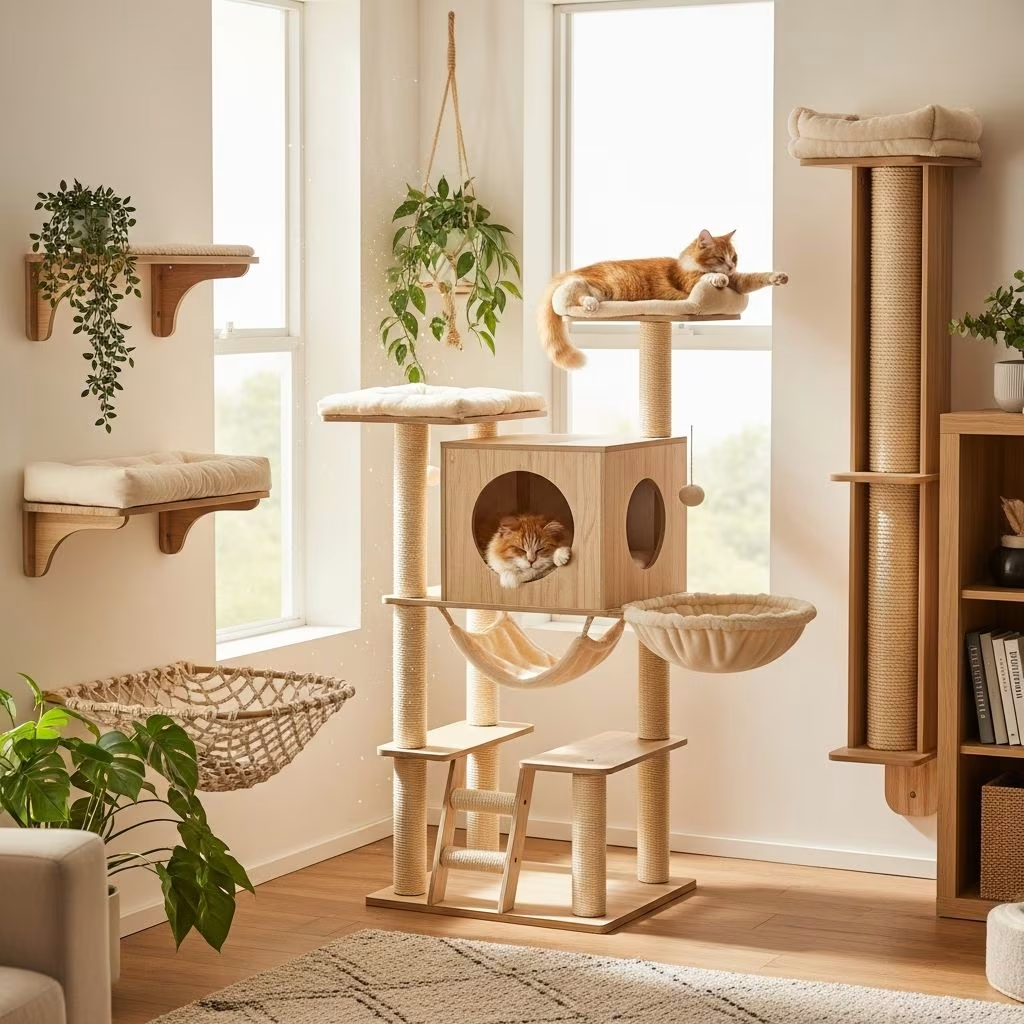
Cats possess an innate desire to climb and observe their surroundings from elevated vantage points. This behavior stems from their natural instincts as hunters and their need to feel secure in their environment. By providing your feline companion with accessible high spaces, you cater to these fundamental behavioral requirements while enhancing their physical and mental wellbeing. Building your own elevated resting platform offers an economical alternative to purchasing commercial cat furniture, allowing you to customize the design to match your home’s aesthetic while repurposing materials you already have available.
Understanding Why Cats Need Vertical Territory
Elevated spaces serve multiple critical functions in a cat’s daily life. When cats position themselves at heights, they gain strategic advantages for observing their territory, monitoring household activity, and maintaining a sense of control over their environment. This elevated perspective helps reduce stress and anxiety, as cats feel safer when they can see potential threats from above. Additionally, vertical spaces provide essential outlets for natural climbing behaviors, which contribute to physical exercise and muscle development. Cats that lack adequate vertical territory may exhibit behavioral problems, including destructive scratching, excessive vocalization, or reduced physical activity that can lead to weight gain and associated health issues.
The psychological benefits of elevated resting areas extend beyond mere entertainment. Research in feline behavior demonstrates that cats spending time in elevated positions experience lower stress hormones and exhibit more confident, relaxed demeanor compared to those confined to floor-level environments. By incorporating vertical elements into your home, you create a more enriching living space that supports your cat’s overall wellbeing.
Essential Materials and Tools for Construction
Before beginning your project, gather the following supplies to ensure a smooth building process:
- Sturdy wood planks or particle board pieces
- Measuring tape for accurate dimensions
- Marking implements such as pencils or markers
- Wood screws (four to six pieces)
- Hand saw or cutting tool for lumber
- Power drill with appropriate bits
- Furniture tacks or staple gun for fabric attachment
- Hammer for fastening components
- Masking tape for marking placement
- Textile covering such as bath towels, blankets, or carpet remnants
- Removable picture mounting strips for non-permanent installation
Having all materials prepared before starting ensures efficient construction and minimizes interruptions. Choose wood materials carefully, avoiding flimsy cardboard boxes that cannot support your cat’s weight. Quality particle board and solid wood planks provide the structural integrity necessary for a safe, long-lasting platform.
Designing Your Elevated Platform: Key Considerations
Successful cat furniture design requires careful attention to stability, safety, and comfort. The construction method you select should incorporate both wall attachment and floor support to prevent tipping or shifting. This dual-support approach significantly increases the platform’s load capacity and provides peace of mind regarding your cat’s safety during use.
Consider the dimensions of your available space and your cat’s size when planning your platform. A platform measuring approximately 12 to 18 inches wide provides adequate surface area for most cats to curl up comfortably. Height placement should balance accessibility with the elevated perspective your cat seeks—positioning the platform between 24 to 36 inches from the floor accommodates most adult cats while remaining safely reachable.
Location selection significantly impacts how frequently your cat uses the platform. Positioning it near windows allows your cat to enjoy natural light and observe outdoor activity, creating an engaging entertainment opportunity. Corner installations work well in rooms where cats naturally gravitate, while placement near favorite furniture can encourage transition from less appropriate resting spots. Assess your cat’s existing behavioral patterns and preferred areas before finalizing placement.
Step-by-Step Construction Process
Begin by measuring and marking your wood pieces precisely. This foundational step prevents misalignment and ensures structural stability. Use masking tape to temporarily mark the wall location where your platform will attach, helping you visualize the final placement before making permanent modifications.
Next, prepare your wood pieces by cutting them to desired dimensions if necessary. Sand any rough edges to eliminate splinters that could injure your cat. Apply your chosen textile covering to the wood surface, using either a staple gun or furniture tacks to secure the fabric firmly. Ensure the covering is taut and smooth, without wrinkles or loose sections that could become hazards.
Install wall supports by locating studs in your wall using a stud finder tool. Drilling into wall studs provides superior anchoring compared to drywall alone, especially important for a structure bearing your cat’s weight. Drive wood screws through mounting hardware and into the studs, ensuring the platform remains level as you secure it. Many modern installations utilize removable picture mounting strips, allowing temporary installation without drilling permanent holes—an excellent option for renters or those wanting flexible configurations.
For added stability, incorporate a vertical support leg that extends from the platform to the floor. This component dramatically increases weight capacity and eliminates the rocking or tilting that can occur with wall-mounted-only designs. The floor support should be positioned directly beneath the outer edge of the platform for optimal structural integrity.
Creating Multi-Platform Systems
While single platforms serve cats well, many felines appreciate vertical systems with multiple levels. Progressive stacking of platforms at varying heights mimics natural climbing environments and accommodates cats’ preference for surveying their territory from the highest available point.
When designing multi-platform systems, maintain consistent spacing between levels—approximately 12 to 18 inches allows comfortable jumping for most adult cats while preventing falls between levels. Stagger the horizontal alignment so each platform extends at a different location along your wall, creating a natural climbing progression rather than a straight vertical stack.
Connect platforms with vertical elements such as sisal rope-wrapped posts or PVC pipes to encourage climbing and scratching behaviors. These components serve dual purposes: they support structural integrity while providing enrichment opportunities that satisfy cats’ natural scratching instincts.
Safety Considerations and Installation Best Practices
Cats do not always land safely on their feet despite popular misconceptions, making structural stability paramount in furniture design. Every component should be tested for weight capacity and movement before allowing your cat to use the platform. Gently press down on the platform with your body weight to confirm it remains firmly secured and level.
Inspect hardware regularly for signs of loosening or wear. Vibration from jumping and landing gradually works fasteners loose over time, requiring periodic tightening. Monthly inspections catch potential problems before they compromise safety.
Avoid sharp edges, protruding screws, and staples that could cut your cat’s sensitive skin. Cover or remove any fastening hardware that extends beyond the platform surface. Sand wood surfaces smooth and seal any splinters that could cause injury.
Install platforms away from hazardous areas such as spaces above open flames, near toxic substances, or in locations where falls could result in injuries. Avoid placing platforms directly above areas where family members move frequently, as falling objects could injure people below.
Customization Options for Different Living Spaces
Limited floor space does not preclude providing elevated territories. Wall-mounted designs excel in compact apartments and small homes, utilizing vertical space efficiently while leaving floor areas clear for household movement. Floating shelf systems installed at varying heights along a wall create gallery-style cat displays that enhance interior design while serving functional purposes.
Corner installations maximize unused space while providing cats with secure resting spots where walls offer protection from multiple angles. Cats naturally gravitate toward corners, so positioning platforms in these locations encourages adoption and frequent use.
Window-sill perches expand viewing opportunities and provide access to natural light and fresh air when windows are safely secured. Ensure window screens are intact and secure before positioning any platform where your cat might access windows.
For homes with multiple cats, construct systems with adequate spacing to prevent territorial conflicts. Provide separate platforms positioned at different wall locations so individual cats can occupy elevated spaces without direct competition.
Alternative Materials and Eco-Friendly Approaches
Repurposing household items and salvaged materials reduces project costs while promoting environmental sustainability. Wine crates, wooden boxes, and old shelving units can be transformed into functional cat platforms with minimal additional materials. Older bookshelves no longer suitable for books become excellent foundations for cat furniture when you remove stored items and add comfortable cushioning.
Textile materials offer numerous possibilities beyond standard carpet. Blankets, towels, and fleece remnants provide soft surfaces that appeal to cats’ comfort preferences while being easily washable and replaceable. Natural fiber options such as sisal and jute offer aesthetic appeal while serving scratching and climbing functions.
Reclaimed wood salvaged from construction projects, furniture restoration, or community reuse centers provides sturdy, often unique materials for platform construction. These sustainable options reduce waste while adding character to your project.
Maintenance and Long-Term Care
Regular maintenance extends your platform’s lifespan and ensures continued safety. Wash textile covers monthly using appropriate cleaning methods for the material type. Many cat-related textiles can be removed and machine washed, while others require spot cleaning and air drying.
Inspect wood surfaces for signs of moisture damage, splintering, or pest activity. Address any damage promptly to prevent structural compromise. Refinish wood surfaces as needed to maintain protective coatings that prevent water absorption and deterioration.
Replace worn textile coverings to prevent fraying and maintain aesthetic appeal. Fresh materials encourage continued use and reduce potential injury risks from deteriorated surfaces.
Addressing Common Construction Challenges
Wall studs may not align perfectly with your desired platform location, requiring creative problem-solving. Heavy-duty wall anchors designed for cat furniture installation can supplement stud-mounted hardware, though they never fully replace stud support. Consider repositioning your design to accommodate available studs rather than forcing installation in suboptimal locations.
Cats may initially hesitate using newly constructed platforms. Encourage adoption by placing treats, catnip, or favorite toys on the surface. Reward your cat for investigating and spending time on the platform through positive reinforcement and interaction.
Wall surface variations including textured finishes, painted surfaces, or tile can complicate hardware installation. Test fastening methods on inconspicuous areas before committing to full installation. Consult wall surface-specific hardware recommendations for optimal results.
Project Timeline and Difficulty Assessment
Most DIY cat platform projects require between 30 minutes to two hours for completion, depending on design complexity and your comfort level with tools. Simple single-platform installations with removable mounting strips may take only 30 minutes, while multi-platform systems with custom wooden components may require several hours spanning multiple days.
Beginners should start with straightforward designs featuring pre-cut materials and removable mounting systems. As confidence builds, advance to more complex projects incorporating multiple levels, custom woodworking, and permanent wall installation. No special expertise is required—basic tool familiarity and careful attention to measurements ensure successful results.
Enhancing Your Platform Design
Transform functional platforms into engaging enrichment spaces by incorporating additional features. Attach dangling toys to platform edges, creating interactive elements that encourage play and exercise. Install enclosed cubbies beneath platforms where cats can hide and observe simultaneously, satisfying both security and monitoring instincts.
Layer multiple textures across your platform to appeal to different sensory preferences. Combine soft carpet sections with scratching surfaces and smooth wood areas where cats can lounge. This varied approach accommodates individual cat preferences and increases overall platform appeal.
Position platforms strategically throughout your home rather than clustering them in single locations. Distributed placement encourages movement between areas, increasing physical activity and allowing cats to monitor different household zones.
References
- How to Make Your Own DIY Cat Perch — Hill’s Pet Nutrition. 2024. https://www.hillspet.com/cat-care/resources/building-diy-cat-perch
- DIY Guide: Build the Ultimate Cat Tree or Perch — Precious Pet Care. 2024. https://www.preciouspetcaresd.com/news/diy-guide-build-the-ultimate-cat-tree-or-perch
- DIY Cat Tree — The Home Depot. 2024. https://www.homedepot.com/c/ah/diy-cat-tree
- Designing Your Cat Wall: DIY Cat Wall Ideas — Catastrophic Creations. 2024. https://www.catastrophicreations.com/blogs/articles/designing-cat-wall



