

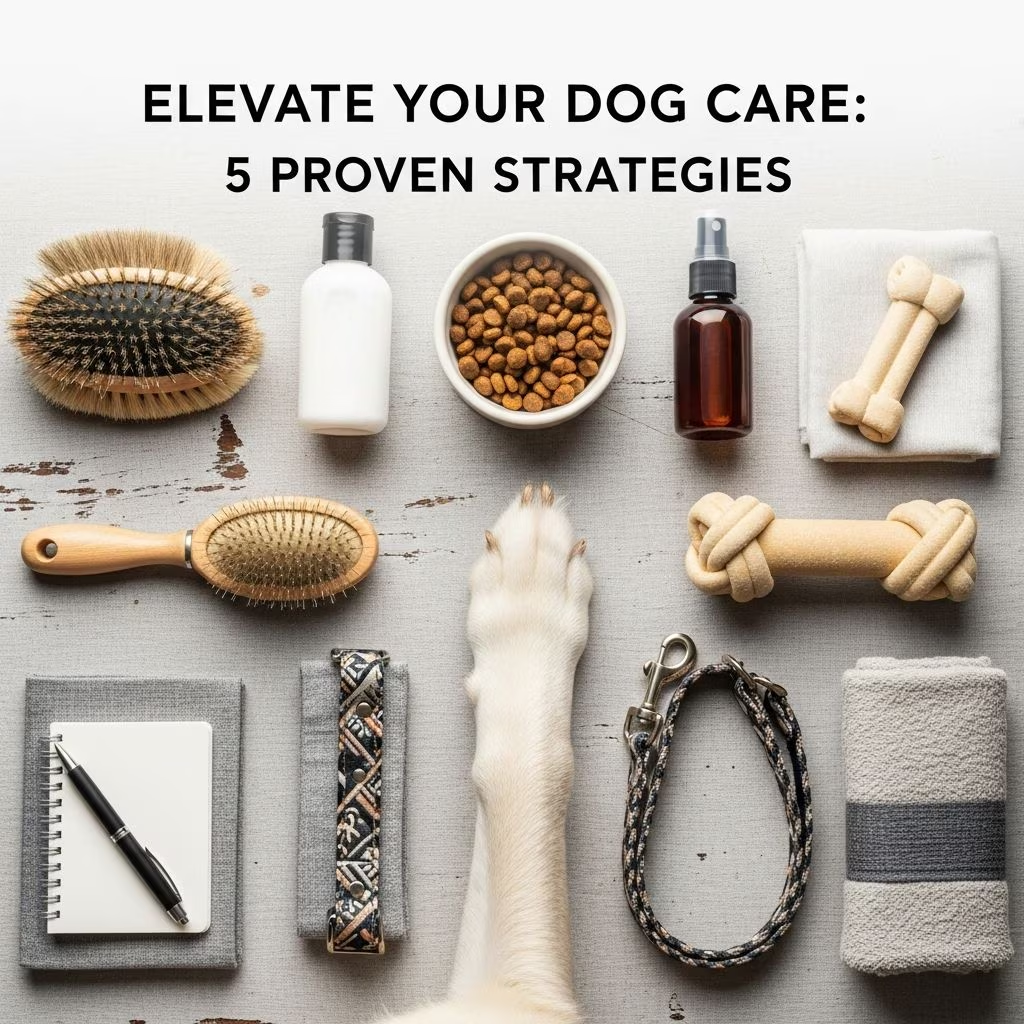
Becoming an outstanding dog owner requires more than occasional affection; it demands consistent effort across multiple facets of care. This guide outlines five core strategies drawn from veterinary insights and established pet care principles to ensure your dog thrives physically, mentally, and socially.
Strategy 1: Master Nutrition and Daily Exercise
Providing the right fuel and activity levels forms the foundation of a healthy dog. High-quality, age-appropriate food supports growth, energy, and longevity, while tailored exercise prevents obesity and behavioral issues.
- Select premium diets matching your dog’s breed, size, and life stage to meet nutritional needs precisely.
- Establish fixed feeding times to regulate digestion and avoid overeating.
- Incorporate breed-specific exercise: high-energy breeds like Border Collies need at least 60 minutes of vigorous activity daily, while smaller or senior dogs benefit from shorter, gentler walks.
Daily outings not only maintain fitness but also offer mental stimulation through new scents and sights. Veterinarians emphasize that consistent routines reduce stress and enhance overall vitality.
| Breed Type | Recommended Daily Exercise | Nutrition Focus |
|---|---|---|
| High-Energy (e.g., Labs) | 60+ minutes running/fetch | High-protein formulas |
| Medium (e.g., Beagles) | 30-45 minutes walking | Balanced kibble with veggies |
| Senior/Small | 15-30 minutes gentle strolls | Joint-support additives |
Strategy 2: Prioritize Training and Social Exposure
Effective training builds obedience and confidence, turning potential challenges into harmonious living. Positive reinforcement—using treats and praise—yields better results than punishment, fostering trust.
- Begin with basics: sit, stay, come, and heel, practiced in short 10-minute sessions daily.
- Socialize early by introducing varied environments, people, and animals to curb fear-based reactions.
- Enroll in group classes for structured learning and peer interactions.
Obedience prevents dangerous situations like bolting into traffic, and socialization ensures polite greetings with strangers. Experts note that well-trained dogs experience less anxiety during vet visits or travel.
Strategy 3: Fortify Home Safety and Emergency Preparedness
A secure environment shields your dog from hazards, while preparedness handles unforeseen events. Pet-proofing involves simple adjustments that save lives.
- Secure toxins like chocolate, cleaners, and medications in locked cabinets.
- Hide electrical cords and elevate fragile items to deter chewing.
- Install fences or gates to restrict access to risky areas like pools or roads.
For emergencies, assemble a kit with food, water, medications, leash, and records. Identify pet-friendly shelters and secure pet insurance. The American Veterinary Medical Association stresses matching pet numbers to your capacity for shelter and care.
Legal duties include leash compliance in public and proper containment to avoid liability.
Strategy 4: Commit to Grooming and Health Monitoring
Regular grooming maintains hygiene and reveals health issues early. Beyond aesthetics, it strengthens your bond through touch and routine.
- Brush weekly to distribute oils and reduce shedding; bathe monthly with dog-specific shampoos.
- Trim nails bi-monthly to prevent overgrowth-related injuries.
- Brush teeth daily and schedule professional cleanings annually.
Schedule vet visits biannually for vaccines, parasite checks, and screenings. Microchipping ensures lost dogs return home. These practices extend lifespan and catch problems like lumps or dental disease promptly.
Strategy 5: Stimulate the Mind and Foster Community Respect
Mental engagement prevents boredom-induced destruction, while courteous habits make you a model neighbor.
- Use puzzle toys, scent games, and training tricks for cognitive workouts.
- Rotate toys and vary routines to keep interest high.
Always clean up waste with poop bags, respect leash laws, and supervise interactions. Communicate with neighbors about your dog’s needs. This builds community goodwill and models responsibility.
Building Lasting Family Routines
Assign tasks via a shared schedule for feeding, walks, and grooming to ensure consistency. Family involvement teaches responsibility and prevents lapses. Post charts visibly for accountability.
Long-Term Commitment Insights
Adopting a dog means a lifetime pledge, adapting to their changing needs from puppyhood to senior years. Research breeds thoroughly beforehand to match lifestyles.
Frequently Asked Questions (FAQs)
How often should I walk my dog?
Depends on breed and age: 30-60 minutes daily, split into sessions for best results.
What’s the best training method for puppies?
Positive reinforcement with treats and praise for quick, happy learning.
How do I choose the right food?
Consult your vet for AAFCO-approved options suited to age, weight, and health.
Is pet insurance necessary?
Highly recommended for covering unexpected vet bills and emergencies.
How to handle a fearful dog?
Gradual exposure, professional training, and vet check for medical causes.
References
- 2025 Top Tips for Responsible Pet Ownership — Galena Animal. 2025. https://galenaanimal.com/the-top-aspects-of-responsible-pet-ownership-from-a-veterinarian/
- Celebrating Responsible Pet Ownership: 7 Essential Tips — Guardian Veterinary Specialists. N/A. https://guardianveterinaryspecialists.com/celebrating-responsible-pet-ownership-7-essential-tips-for-pet-parents/
- 75 Ways to Be a Responsible Dog Owner — American Kennel Club. N/A. https://www.akc.org/expert-advice/lifestyle/responsible-dog-owner/
- Understanding Legal Responsibilities as a Dog Owner — WD Law. N/A. https://wd-law.com/blog/understanding-legal-responsibilities-as-a-dog-owner/
- Pet Ownership — American Veterinary Medical Association. N/A. https://www.avma.org/resources-tools/pet-owners/responsible-pet-ownership
- How To Take Care of Dogs: A Pet Parent Checklist — PetMD. N/A. https://www.petmd.com/dog/general-health/how-to-take-care-of-dogs-pet-parent-checklist



