

Understanding Electrocardiograms in Cats
An electrocardiogram, commonly abbreviated as ECG or EKG, is a non-invasive diagnostic test that measures the electrical activity of your cat’s heart. This valuable diagnostic tool provides your veterinarian with critical information about your cat’s heart rhythm, rate, and electrical conduction patterns, helping identify various cardiac conditions that may not be apparent during a physical examination alone. For cat owners, understanding what an ECG is and why your veterinarian might recommend one can help you make informed decisions about your feline companion’s health care.
How is an Electrocardiogram Performed?
One of the primary advantages of ECG testing is its accessibility and simplicity. In most cases, an electrocardiogram can be performed in your veterinarian’s office as an outpatient visit, requiring no special preparation beforehand. This makes it a convenient diagnostic option for cat owners who need quick answers about their pet’s cardiac health.
The Procedure Steps
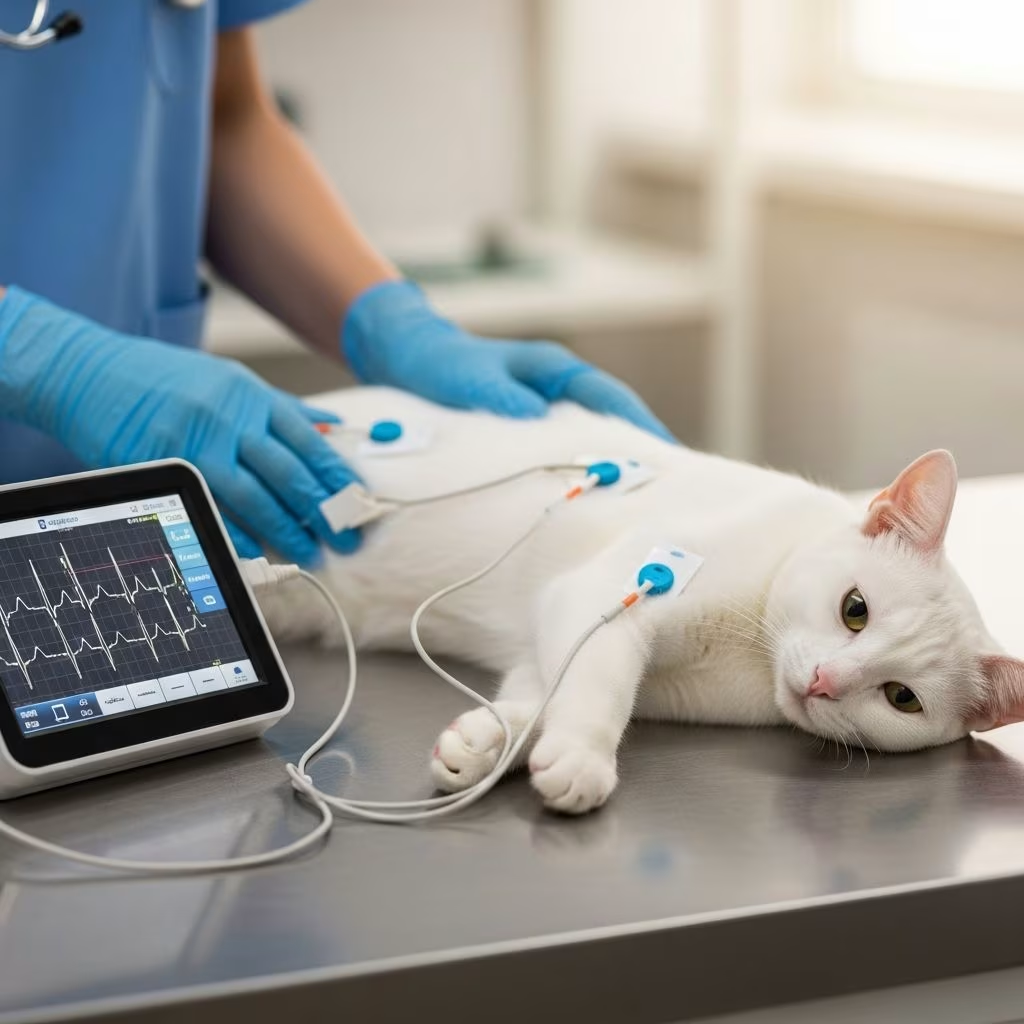
During the ECG procedure, your cat will be required to remain still for the test, either standing or lying down on an examination table. The electrodes—small metal discs—are applied to your cat’s skin at the base of each of her four legs. To facilitate better electrical conductivity, your veterinarian may apply rubbing alcohol or a special conduction gel to help the electrical impulses travel more easily from your cat’s body into the ECG electrodes.
Once the electrodes are properly positioned and secured, your cat will be kept still for a brief period to allow the ECG machine to record the electrical impulses passing through the heart. The duration of recording can vary significantly—your cat’s electrical conduction may be traced for less than a minute or for several minutes, depending on what abnormality your veterinarian suspects and how effectively your cat is able to remain still for a high-quality ECG recording.
After the test is completed, the resulting ECG tracing may be interpreted in-house by your veterinarian or sent to a veterinary cardiologist for specialized interpretation. This flexibility allows your veterinarian to choose the most appropriate interpretation method based on the complexity of the findings and your cat’s specific condition.
Why Would Your Veterinarian Recommend an ECG?
Electrocardiograms play a crucial role in diagnosing and monitoring heart disease in cats. Your veterinarian might recommend an ECG for several important reasons, ranging from investigating clinical signs to preventive screening.
Clinical Signs of Heart Disease
An ECG is often a component of the diagnostic workup for any cat suspected of having heart disease. If you notice any of the following clinical signs at home, they might indicate a need for an ECG:
- Weakness or lethargy
- Exercise intolerance or reduced activity levels
- Shortness of breath or labored breathing
- Persistent coughing
- Fainting or syncope episodes
Physical Examination Findings
Even if your cat is not showing obvious signs of heart disease at home, your veterinarian may recommend an ECG based on physical examination findings that are suggestive of cardiac issues. These findings may include:
- An irregular heartbeat or arrhythmia
- A heart murmur, which indicates turbulent blood flow over a valve within the heart
- Irregular or weak pulses
- Abnormal lung sounds detected during auscultation
Screening and Preventive Care
Beyond diagnosing active disease, an ECG may also be performed as a screening test in geriatric cats to establish baseline cardiac function and detect age-related changes. Additionally, ECG monitoring is common in cats of any age when they are undergoing general anesthesia, helping ensure their cardiac system can safely tolerate the anesthetic procedure.
Understanding ECG Results
Interpreting an electrocardiogram requires knowledge of normal cardiac electrical patterns. The ECG tracing displays several important components that your veterinarian evaluates carefully.
Key Components of the ECG Tracing
The P-wave corresponds to the contraction of the atria, representing the initial electrical activation of the heart’s upper chambers. The QRS complex signifies the depolarization of the ventricles, which represents the typical ‘heartbeat’ and the large contraction of the heart. The T-wave represents the repolarization of the ventricles, showing the electrical recovery phase after contraction.
Your veterinarian will check the wave’s shape and measure the distances between its various parts with careful precision. Often, the focus is on the information provided by the P-wave and the QRS complex interval, as these aspects indicate how rapidly the heart is filling with blood and pumping it out.
Assessing Heart Rate and Rhythm
By measuring the distance between the peaks of the QRS complex, your veterinarian can determine if the heartbeat is regular or irregular. A constant distance between the spikes indicates a regular, normal heartbeat, while varying distances suggest an irregular heartbeat or arrhythmia. Additionally, by counting the QRS complexes over a specific time interval, your veterinarian can calculate your cat’s precise heart rate.
It’s important to note that cats and dogs may have different heart rates and rhythms compared to other species, so it’s best to consult your veterinarian about the expected normal values for your pet’s breed and age.
Special Considerations for Cats with Heart Disease
Cats present unique challenges in cardiology that make diagnostic testing particularly important. Cats can be particularly difficult cardiology patients because they can have severe cardiomyopathy despite the absence of physical examination abnormalities, radiographic changes, and clinical signs. This means that a cat may have significant heart disease without showing any outward symptoms that you might notice at home.
Importance of Early Detection
Because cats can hide signs of illness so effectively, early detection becomes crucial for managing heart disease and improving quality of life. An electrocardiogram is frequently one of the most specific and sensitive diagnostic procedures available for detecting heart problems in cats. This is especially true for cats showing physical exam abnormalities or clinical signs concerning for cardiac disease.
Breed-Specific Considerations
Purebred cats have a higher incidence of heart disease compared to mixed-breed cats. Therefore, if you own a purebred cat, your veterinarian may be more likely to recommend an ECG as part of routine health screenings or if any concerning signs develop. Common breeds predisposed to heart disease include Maine Coons, British Shorthairs, Ragdolls, and Bengals, among others.
Common Heart Conditions Detected by ECG
Electrocardiograms can help diagnose various cardiac conditions in cats. When your veterinarian observes abnormal rhythms or other concerning findings, they can work with you to develop an appropriate treatment plan.
Arrhythmias and Conduction Abnormalities
Cardiac murmurs, gallop sounds, and arrhythmias are obvious abnormalities that may require an ECG. These manifestations often raise concerns regarding diastolic dysfunction and require thorough evaluation. An ECG can help identify the specific type of arrhythmia your cat is experiencing, which is essential for determining the appropriate treatment approach.
Cardiomyopathy
The most common heart disease in cats is cardiomyopathy, a condition where the heart muscle becomes abnormally thick or thin and weakened. While an echocardiogram is often the most appropriate diagnostic procedure to accurately diagnose and assess the severity of cardiomyopathy, an ECG provides valuable complementary information about cardiac electrical function.
Frequently Asked Questions About Feline ECGs
Q: How long does an ECG take to perform?
A: The actual recording typically takes less than a minute to several minutes, depending on the quality of the tracing and what your veterinarian is looking for. The entire appointment, including preparation and electrode placement, usually takes 15-30 minutes.
Q: Is an ECG painful for my cat?
A: No, an ECG is completely non-invasive and painless. The electrodes simply attach to the skin and detect electrical signals; they do not send any electrical current through your cat’s body. Your cat may find the experience slightly uncomfortable due to the need to remain still, but it causes no pain.
Q: Can I stay with my cat during the ECG?
A: Most veterinary clinics allow owners to remain present during the procedure. Your presence may help keep your cat calm and still, which improves the quality of the recording. However, follow your veterinarian’s specific guidelines.
Q: How often should my senior cat have an ECG?
A: For geriatric cats, your veterinarian may recommend baseline ECGs as part of routine screening, and then repeat testing based on any findings or development of clinical signs. The frequency depends on your individual cat’s health status and risk factors.
Q: What happens if abnormalities are found on my cat’s ECG?
A: If abnormalities are detected, your veterinarian will discuss the findings with you and may recommend additional testing, such as an echocardiogram, chest radiographs, or blood work. Treatment options will depend on the specific diagnosis and severity of the condition.
Q: Is an ECG the same as an echocardiogram?
A: No, these are different tests. An ECG measures electrical activity, while an echocardiogram uses ultrasound to visualize the heart’s structure and function. Often, both tests are recommended to get a complete picture of your cat’s cardiac health.
Q: How much does a feline ECG cost?
A: Costs vary by veterinary clinic and geographic location, but a basic ECG typically ranges from $100-$300. Specialist interpretation by a veterinary cardiologist may increase the cost. Contact your veterinary clinic for specific pricing information.
Preparing for Your Cat’s ECG Appointment
Since no special preparation is typically required for an ECG procedure, you can bring your cat to their appointment without making significant changes to their routine. However, there are a few things you can do to ensure the best experience:
- Ensure your cat is calm and relaxed before the appointment if possible
- Bring any medical records or previous ECG results if available
- Have a list of current medications your cat is taking
- Inform your veterinarian of any symptoms you’ve noticed at home
- Arrive a few minutes early to complete any necessary paperwork
The Role of ECG in Your Cat’s Overall Health Management
An electrocardiogram is an important diagnostic tool that plays a vital role in maintaining your cat’s heart health. Whether used for initial diagnosis of suspected heart disease, screening in senior cats, or monitoring known cardiac conditions, the ECG provides valuable information that helps your veterinarian make informed clinical decisions.
By understanding what an ECG is, how it’s performed, and why your veterinarian might recommend one, you can be a more informed and proactive participant in your cat’s health care. If your veterinarian recommends an ECG for your feline companion, it’s an excellent opportunity to establish baseline information about your cat’s cardiac function and address any concerns early in the disease process.
References
- Electrocardiogram in Cats — VCA Animal Hospitals. https://vcahospitals.com/know-your-pet/electrocardiogram-in-cats
- ECGs for Cats & Dogs — Sango Veterinary Hospital. 2024-05-31. https://www.sangoveterinaryhospital.net/site/blog/2024/05/31/ecg-cats-dogs
- ECG for Pets: When it’s Needed? — Torrance Animal Hospital. 2023-06-15. https://www.torranceanimalhospital.com/site/blog/2023/06/15/ecg-for-pets
- Cat & Dog ECG – What It Is & When It Is Used — Huntersville Carolina Vet. 2023-01-30. https://www.huntersville.carolinavet.com/site/huntersville-veterinary-blog/2023/01/30/cat-dog-ecg
- ECG for Cats & Dogs — Barton Heights Veterinary Clinic. 2024-06-30. https://www.bartonheights.com/site/blog/2024/06/30/ecg-cats-dogs
- ECGs for Cats & Dogs — San Diego Bay Animal Hospital. 2023-12-30. https://www.sandiegobayanimalhospital.com/site/blog/2023/12/30/ecg-cats-dogs
- ECG for Pets: When It Is Needed — Elk Grove Veterinary Clinic. 2023-11-15. https://www.brucevilleph.com/site/blog/2023/11/15/ecg-pets
- ECGs for Pets: When They’re Needed — Atlantic Coast Veterinary Conference. 2024-04-15. https://www.atlanticcoastvet.com/site/blog-long-island-vet/2024/04/15/ecgs-pets



