

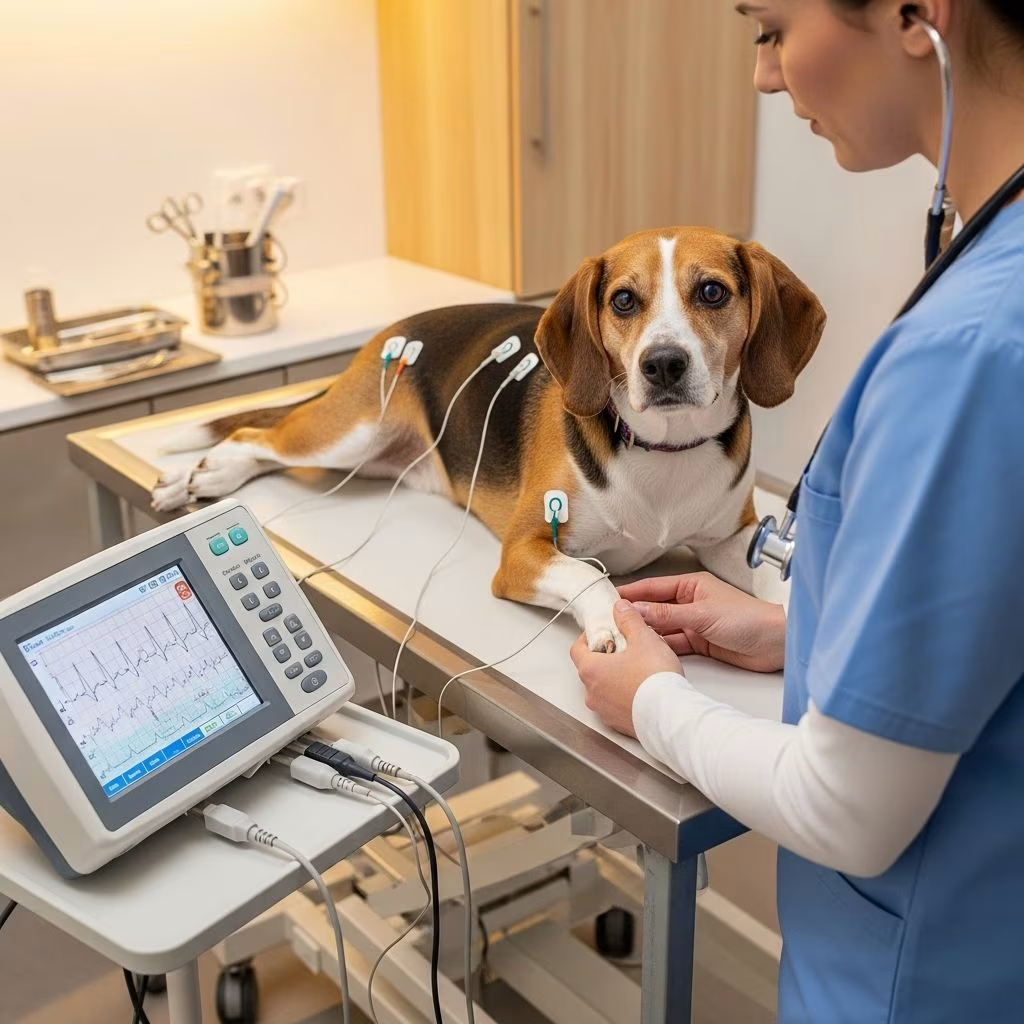
What is an Electrocardiogram?
An electrocardiogram, commonly referred to as an ECG or EKG, is a fundamental diagnostic test used to assess the electrical activity and function of your dog’s heart. The heart operates through a sophisticated system of electrical impulses that cause the heart muscle to contract and pump blood throughout the body. These electrical signals follow a predictable pattern that can be recorded and analyzed to identify potential abnormalities.
By measuring and analyzing the electrical impulses passing through your dog’s heart, veterinarians can detect various cardiac issues. The ECG can reveal abnormalities such as arrhythmias, which are irregular heartbeats that may pose serious health risks. Additionally, the test can identify structural problems with the heart chambers, abnormal conduction patterns, and other defects that might compromise your dog’s cardiovascular health. This non-invasive approach provides veterinarians with critical information about your pet’s cardiac function without requiring surgical intervention or the use of anesthesia in most cases.
How is an Electrocardiogram Performed?
The electrocardiogram procedure is straightforward and can typically be completed in your veterinarian’s office during an outpatient visit. Most dogs do not require any special preparation prior to the test, making it a convenient diagnostic option for pet owners.
The ECG Procedure Steps
During the test, your dog will need to remain still, either standing or lying down on an examination table. Your veterinarian will then apply small electrodes to your dog’s skin at the base of each of the four legs. These electrodes serve as sensors that detect the electrical signals generated by your dog’s heart.
To facilitate better electrical signal transmission, your veterinarian may apply rubbing alcohol or a special conduction gel to your dog’s skin. These substances help electrical impulses travel more efficiently from your dog’s body into the ECG electrodes, resulting in higher quality recordings and more accurate readings. The improved conductivity ensures that the ECG machine can capture clear and detailed information about your dog’s cardiac electrical activity.
Once the electrodes are securely in place, your dog must remain still for a brief period while the ECG machine records the electrical impulses passing through the heart. The duration of this recording can vary depending on several factors. In some cases, the test may be completed in less than a minute, while in other situations it may take several minutes. The length of the recording depends on what specific abnormality your veterinarian suspects and how effectively your dog is able to remain still during the procedure.
After the Test
Once the ECG recording is complete, your veterinarian has two options for interpretation. In many cases, your veterinarian can interpret the results immediately in-house and discuss the findings with you during your visit. In other situations, particularly when complex abnormalities are suspected, the ECG may be sent to a veterinary cardiologist who specializes in heart disease for professional interpretation and recommendations.
Why Would Your Veterinarian Recommend an ECG?
An electrocardiogram serves multiple important purposes in veterinary medicine and may be recommended for various reasons depending on your individual dog’s health status and presentation.
Clinical Signs of Heart Disease
If your dog is exhibiting symptoms that suggest possible heart disease, your veterinarian will likely recommend an ECG as part of a comprehensive cardiac workup. Common clinical signs that warrant an ECG evaluation include:
- Weakness or lethargy
- Reduced exercise tolerance or reluctance to exercise
- Shortness of breath or difficulty breathing
- Persistent coughing
- Fainting or syncope episodes
These symptoms can indicate underlying cardiac issues that require diagnostic evaluation to prevent serious complications.
Physical Examination Findings
Even if your dog is not displaying obvious symptoms of heart disease at home, your veterinarian may recommend an ECG based on abnormal physical examination findings. Physical exam results that suggest possible heart disease include:
- An irregular heartbeat detected during auscultation
- A heart murmur, which indicates turbulent blood flow over a valve within the heart
- Irregular pulses detected during the examination
- Abnormal lung sounds that may suggest fluid accumulation or other cardiac-related complications
These findings often indicate the need for further cardiac investigation to establish an accurate diagnosis.
Screening and Preventive Care
An ECG may also be performed as a routine screening test in older dogs, known as geriatric screening. As dogs age, the risk of heart disease increases, and preventive screening can help identify problems before they become serious. Additionally, if your dog is scheduled to undergo general anesthesia for any surgical procedure, an ECG is commonly recommended as part of the pre-anesthetic workup to ensure your dog is healthy enough for the procedure and to monitor cardiac function during surgery.
ECG monitoring is standard practice during general anesthesia for dogs of any age, as it allows veterinary anesthesiologists to continuously monitor heart function and respond immediately to any cardiac complications that might arise during the procedure.
What Abnormalities Can an ECG Detect?
The electrocardiogram provides valuable information about your dog’s cardiac rhythm, rate, and electrical conduction patterns. When interpreting an ECG, your veterinarian examines specific waveforms that represent different phases of the heartbeat. The P-wave corresponds to the contraction of the atria, the upper chambers of the heart. The QRS complex signifies the depolarization of the ventricles, representing the main pumping action of the heart. The T-wave represents the repolarization of the ventricles as they prepare for the next heartbeat.
Your veterinarian will analyze the shape of these waves and measure the distances between various components. They pay particular attention to the P-wave and the QRS complex interval, which indicate how rapidly the heart is filling with blood and pumping it out to the body. The spacing between successive QRS complexes is also evaluated; in a normal heart rhythm, this distance should be consistent. If the intervals are irregular or variable, it indicates an abnormal heartbeat that requires further investigation and treatment.
Common Cardiac Abnormalities Detected
The ECG can detect several types of cardiac abnormalities, including arrhythmias or irregular heartbeats, which may indicate serious underlying heart disease. The test can also identify abnormal conduction patterns, structural issues such as enlarged heart chambers, and other cardiac defects. Early detection of these abnormalities is crucial because prompt intervention often leads to effective management, allowing your dog to continue enjoying a good quality of life.
Benefits of ECG Testing for Dogs
Electrocardiography offers several important benefits for your dog’s health management. Early detection through ECG screening helps identify cardiac abnormalities before they progress to more serious conditions that could be life-threatening. The test provides accurate diagnosis that can differentiate between cardiac and non-cardiac causes of your dog’s symptoms, ensuring your veterinarian can provide appropriate treatment. Additionally, ECG testing allows veterinarians to monitor your dog’s heart health over time and evaluate the effectiveness of cardiac medications or treatments your dog may be receiving.
One of the most important benefits is surgical clearance, as the ECG ensures your dog is healthy enough to safely undergo anesthesia for necessary procedures. The test is entirely safe and non-invasive, involving no radiation exposure or discomfort to your dog, making it an ideal diagnostic tool for comprehensive cardiac assessment.
Frequently Asked Questions About Dog ECGs
Q: Is an electrocardiogram safe for dogs?
A: Yes, an ECG is entirely safe for dogs. It is a non-invasive procedure that does not involve radiation, injection, or any discomfort. Your dog will feel nothing during the test except the mild contact of the electrodes on their skin.
Q: Does my dog need special preparation for an ECG?
A: In most cases, no special preparation is required for an ECG. Your dog can eat normally and continue their regular routine before the test. However, it is helpful if your dog is calm and cooperative during the procedure, so your veterinarian may recommend having your dog exercise lightly beforehand to promote relaxation.
Q: How long does an ECG take?
A: The actual recording portion of an ECG typically takes less than 10 minutes. The entire appointment, including preparation and discussion of results, usually takes 15 to 30 minutes depending on your veterinarian’s schedule and the complexity of your dog’s case.
Q: Will my dog be sedated for the ECG?
A: Sedation is rarely needed for a routine ECG. Most dogs can remain still long enough for the test to be completed without sedation. However, if your dog is particularly anxious or has difficulty remaining still, your veterinarian may discuss sedation options to ensure a high-quality recording.
Q: What happens if the ECG shows abnormalities?
A: If abnormalities are detected, your veterinarian will discuss the findings with you and recommend appropriate next steps. Depending on the results, additional tests such as chest X-rays or cardiac ultrasound may be recommended. In some cases, your dog may be referred to a veterinary cardiologist for specialized care and treatment recommendations.
Q: Can an ECG diagnose all heart problems?
A: While an ECG can detect rhythm disturbances and electrical conduction problems, it has limitations. Some structural heart problems, such as valve disease or chamber enlargement, may require additional imaging tests like echocardiography for complete diagnosis. Your veterinarian will determine which tests are appropriate based on your dog’s symptoms and initial ECG findings.
Q: How often should my dog have an ECG?
A: The frequency of ECG testing depends on your individual dog’s health status. Dogs with known heart disease may need periodic ECGs to monitor their condition and treatment response. Geriatric dogs may benefit from routine screening ECGs as part of their annual wellness examination. Your veterinarian can recommend an appropriate testing schedule for your dog’s specific situation.
References
- Electrocardiogram in Dogs — VCA Animal Hospitals. https://vcahospitals.com/know-your-pet/electrocardiogram-for-dogs
- Pet Electrocardiograms — 4 Paws Imaging Centers. https://www.4pawsimaging.net/services/electrocardiogram
- How an Electrocardiogram for Pets Helps Diagnose Heart Disease — Noah Vets. https://www.noahvets.com/electrocardiogram-for-pets-heart-disease/
- ECGs for Cats & Dogs — Sango Veterinary Hospital. https://www.sangoveterinaryhospital.net/site/blog/2024/05/31/ecg-cats-dogs
- Reading ECGs in Veterinary Patients: An Introduction — DVM 360. https://www.dvm360.com/view/reading-ecgs-in-veterinary-patients-an-introduction



