

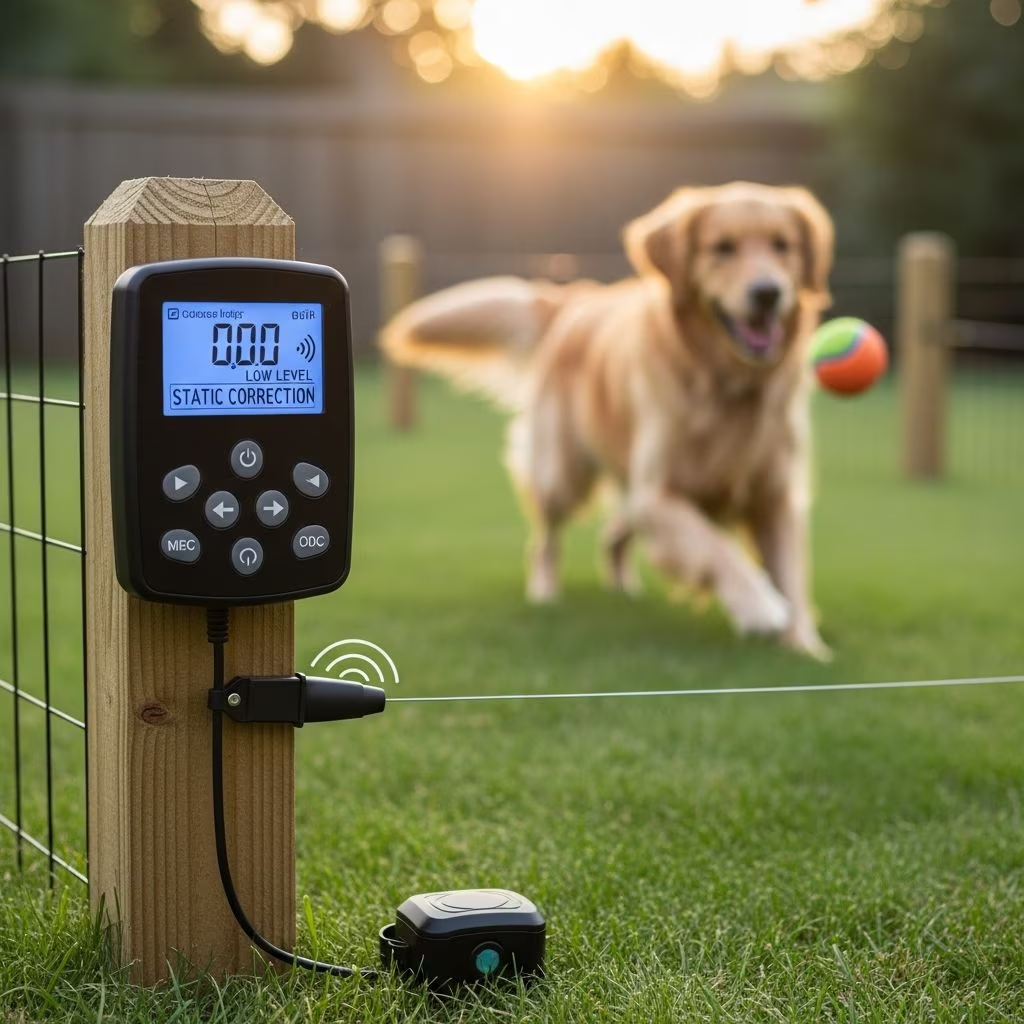
Electric dog fences, often called invisible or underground fences, offer a hidden way to define yard boundaries without visible barriers. These systems use radio signals and collar-based corrections to train dogs to stay within set limits, appealing to owners with large properties or budget constraints. While they promise freedom for dogs to roam without traditional fencing costs, significant safety and training concerns arise from their reliance on aversive stimuli like shocks or sprays.
Understanding the Mechanics of Electric Containment Systems
These setups typically involve a buried wire or mounted transmitter that emits a low-radio-frequency signal along a predefined perimeter. A dog wears a lightweight receiver collar with contact points that detect the signal as the pet nears the boundary. Initial warnings come via beeps or vibrations, escalating to a static pulse or citronella burst if the dog proceeds. Battery-powered collars ensure portability, but effectiveness hinges on consistent power and proper fit.
Installation varies: wired models require trenching a thin cable a few inches deep, adaptable to irregular landscapes like hills or rocky ground. Wireless alternatives use central transmitters or GPS for circular zones, though they may falter in obstructed areas. Systems range from basic DIY kits to advanced models with adjustable correction levels and training aids, covering small lots to expansive acres.
Key Advantages for Pet Owners
Cost stands out as a primary benefit. Entry-level kits start around $120, scaling to $400 for expansive coverage, far below wood or chain-link alternatives that can exceed thousands in materials and labor. Homeowners handle setup with minimal tools, avoiding heavy digging or permits common with physical structures.
- Affordable scalability: Covers vast areas without proportional expense increases.
- Aesthetic appeal: Preserves yard views, ideal for scenic properties or HOAs restricting visible fences.
- Customizable shapes: Wired systems conform to property contours, unlike rigid wireless circles.
- Low maintenance post-install: No painting, repairs from weather, or gate hardware to fix.
Training integration enhances usability. Many include audio cues and progressive stimuli, helping dogs learn boundaries quickly under supervision. Long battery life in wired collars—up to two years—reduces oversight compared to daily GPS recharges.
Significant Limitations and Reliability Concerns
Despite conveniences, failures undermine security. Dead batteries render collars useless, allowing escapes; shelters report frequent strays with defunct electronic collars. High-drive dogs often ignore corrections for chasing prey, bicycles, or mates, ending up stranded outside boundaries unwilling to recross.
| Issue | Impact | Examples |
|---|---|---|
| Battery failure | Complete boundary breach | Forgotten replacements lead to roaming dogs |
| High motivation override | One-way escapes | Hunting breeds chase cats, can’t return |
| Signal interference | Inconsistent warnings | Thunderstorms or metal objects disrupt |
| External threats | No inbound protection | Strays or intruders access yard freely |
GPS variants suffer shifting signals from trees, weather, or buildings, unsuitable for small or complex yards. Wired systems offer stability via patented tech like interference-resistant signals but demand wire integrity checks.
Health and Physical Risks to Dogs
The core correction—termed ‘stimulus’ by makers—is an electric shock via neck prongs, painful enough to deter crossing. Sensitive pups traumatize easily, avoiding yards entirely post-incident, limiting exercise space. Physical injuries include fur loss, sores, infections, or burns from prolonged wear or malfunctions shocking randomly.
- Prong pressure sores from tight fits needed for contact.
- Malfunction burns or continuous pulses indoors.
- Spray alternatives risk inhalation or eye irritation.
Large breeds tolerate higher intensities, but improper settings amplify harm. Veterinary reports highlight neck wounds requiring treatment, emphasizing collar rotation and fit monitoring.
Behavioral and Psychological Effects
Punishment-based training risks fallout. Dogs learn fear of boundaries over voluntary stay, potentially fostering anxiety or aggression toward boundary triggers like passersby. Leash reactivity worsens if dogs associate fence stimuli with external dogs or people, never addressing root frustrations.
Owners note some dogs generalize fear, refusing yard entry sans collar. Guardian breeds or hunters prove poor fits, their instincts overriding pain. Positive reinforcement alternatives build reliable recall without trauma.
Comparing Electric Fences to Traditional Options
| Feature | Electric Fence | Physical Fence |
|---|---|---|
| Cost | Low initial ($120-$400) | High ($2k+ for wood/metal) |
| Installation | DIY, quick | Labor-intensive, permits |
| Protection | Outbound only | Bi-directional security |
| Reliability | Battery/signal dependent | Weatherproof, permanent |
| Aesthetics | Invisible | Visible barrier |
Physical fences block intruders, weatherproof, and pair with gates for access. Hybrids combine both for layered safety.
Best Practices for Safe Implementation
If opting for electric systems, supervise exclusively. Remove collars when absent or sleeping to prevent mishaps. Train gradually: flag boundaries, use treats for retreat responses, phase corrections slowly. Select collars fitting small-to-large dogs, with long-life batteries.
- Daily checks for battery, fit, skin health.
- Professional layout for odd yards.
- Combine with recall training.
- Avoid for reactive, prey-driven, or timid dogs.
Monitor for stress; discontinue if avoidance or fear emerges.
Alternatives to Electric Boundaries
Long-line training builds off-leash reliability. GPS trackers monitor roamers without shocks. Sturdy physical fences or panels suit budgets. Tethers or runs provide safe play during absences.
Frequently Asked Questions
Are electric fences safe for puppies?
Generally no; wait until 6+ months for full training readiness. Young dogs risk developmental stress.
Can they work for large, strong-willed dogs?
Possible with high settings, but high-drive breeds often break through chasing distractions.
How often replace collar batteries?
Wired: 3 months-2 years; GPS: daily charges increase failure risk.
Do they keep other dogs out?
No; they only deter outbound movement, leaving yards vulnerable.
Is the shock really harmful?
It causes pain, potential injury; sensitive dogs traumatize deeply.
Final Thoughts on Choosing Containment
Electric fences suit supervised, low-risk scenarios with amenable dogs, offering economy and flexibility. However, risks like escapes, injuries, and behavioral harm often outweigh benefits for comprehensive safety. Prioritize positive methods and physical barriers for peace of mind. Consult vets or trainers for tailored advice.
References
- Pros and Cons of Electric Underground Fences — Whole Dog Journal. 2023-10-15. https://www.whole-dog-journal.com/behavior/leash-barrier-reactivity/pros-and-cons-of-electric-underground-fences/
- Which is Better For My Dog: a Wired Underground Fence or a Wireless GPS Fence? — DogWatch. 2024-05-22. https://www.dogwatch.com/dogwatch-blog/which-is-better-for-my-dog-wired-underground-fence-or-a-wireless-gps-fence/
- Invisible Fences: Do or Don’t? — Dr. Jen’s Dog Blog. 2023-08-10. https://www.drjensdogblog.com/invisible-fences-do-or-dont/
- 7 Reasons Why Invisible Fences for Dogs Don’t Work — PetMD. 2024-02-14. https://www.petmd.com/dog/general-health/invisible-fence-for-dogs



