

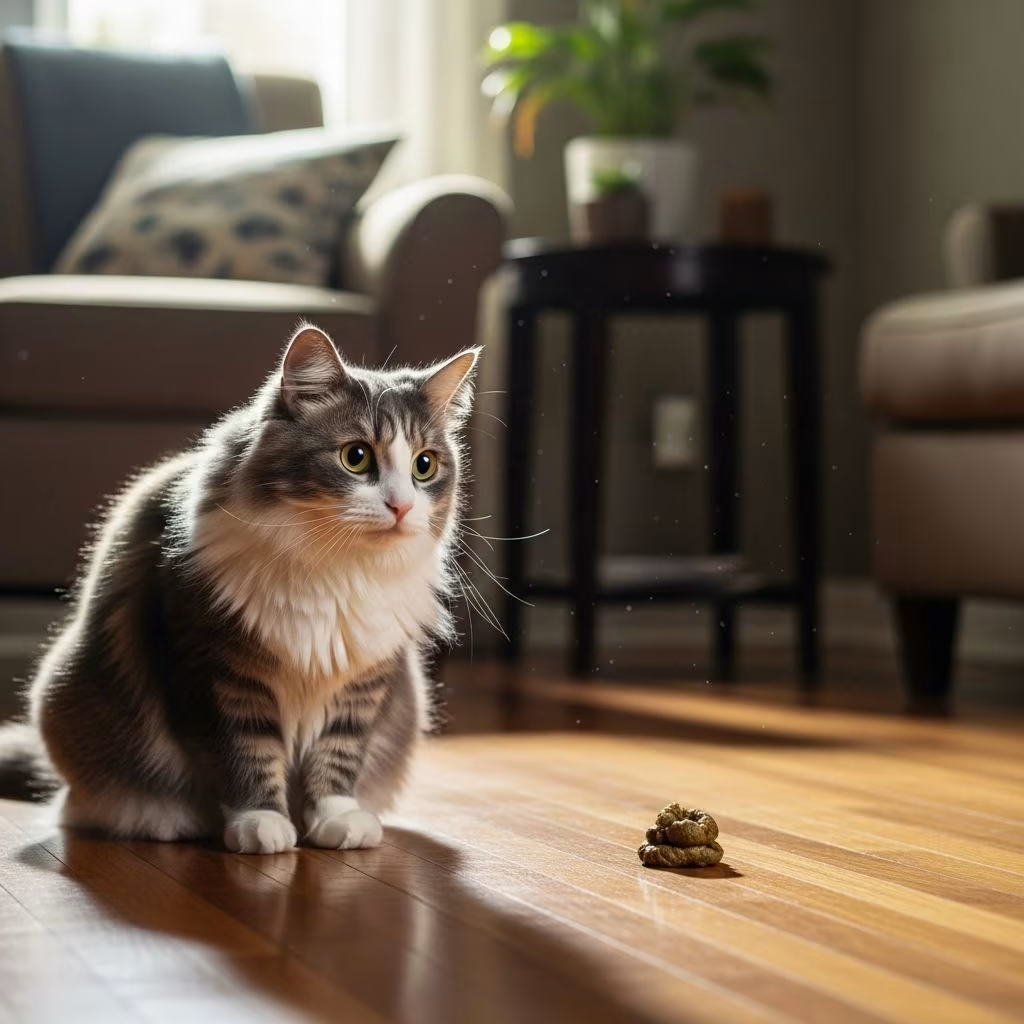
Why Is My Elderly Cat Suddenly Pooping on the Floor?
Our cats are known to be fastidious creatures, and it can be disconcerting when you find your beloved pet pooping on the floor. Cats are typically good at using their litter boxes, and if your cat is a senior, you would expect them to continue using it correctly. However, as your cat ages, there are several reasons that they may suddenly start eliminating your floors and rugs. Knowing why your cat is pooping outside of their litter box can help you get to the root of the problem and restore harmony to your home.
Understanding the underlying causes of inappropriate elimination in senior cats is crucial for addressing this frustrating behavior. Rather than viewing this as devious or spiteful, it’s important to recognize that your cat is likely experiencing physical or emotional distress. The key to solving this problem lies in identifying the specific cause, which could range from medical conditions to environmental factors.
The 9 Reasons That Your Senior Cat Is Pooping on the Floor
1. Medical Condition
Several medical conditions could lead to your cat pooping on the floor. Something like constipation can cause your cat to associate any pain or discomfort that they experience with the litter box, so they choose to poop elsewhere. Conversely, if your cat has diarrhea, they might not make it to the litter box in time and end up pooping on the floor.
There are various health conditions that can lead to poop issues, including:
- Inflammatory bowel disease (IBD)
- Intestinal tumors
- Muscle and joint issues
- Arthritis
- Food allergies
- Poor vision or blindness
- Thyroid problems
- Liver conditions
- Dementia
- Musculoskeletal injuries
- Urinary tract infections (UTIs)
- Colitis
- Parasites
- Diabetes or kidney disease
If your cat was using their litter box as usual and suddenly stopped, you should take them immediately to a vet to rule out any medical conditions. It’s also important to observe whether your cat is showing additional symptoms, such as changes in urinary habits, increased vomiting, blood in urine, straining to urinate or defecate, difficulty moving or jumping, or worms in stools. If possible, bring a poop sample to your veterinary appointment for testing for intestinal parasites, as fresher samples are more useful for diagnosis.
2. Stress
Some cats handle changes in the household better than others. If things have recently changed, a senior cat might have more trouble coping, particularly if they have a nervous temperament already. Disruptions in the home, such as new people moving in, renovations, a new pet, moving to a new home, having a baby, or even rearranging furniture can cause stress for most cats, and pooping on the floor could be the result.
Environmental stress is often manifested as physical distress in cats. Elderly cats pooping on the floor is never done out of revenge or spite; rather, it’s more likely that the environmental stress is being manifested as physical symptoms. Usually, your cat will adapt with your help, and they will likely start using the litter box again. However, if the behavior continues despite your efforts to reduce stress, you should see a vet to rule out underlying medical issues.
3. The Litter Box
Sometimes, the litter box itself is the issue. Litter boxes should be about one and a half times the length of your cat, allowing them to stand at their full height and comfortably turn around. If you’ve recently changed your cat’s litter box and the pooping on the floor seems to have happened soon after, it’s likely that your cat doesn’t like the new box.
Several litter box characteristics can cause problems:
- Covered boxes: Some cats prefer something that isn’t enclosed
- Automatic litter boxes: Some cats might be put off by the sound and movement of the mechanics
- High edges: These might be too difficult for your cat to get into, particularly if your senior cat has arthritis or mobility issues
- Box size: A box that’s too small can make it uncomfortable for your cat to move around
4. Litter Box Location
This isn’t a likely option if you haven’t moved the litter box recently, but if you have, the new location may be irritating your cat. Some cats might find it stressful if it’s in an area that could be considered busy, such as close to the front door or next to the washer and dryer. The placement of the litter box can also affect accessibility for senior cats with mobility issues.
You should ensure that your cat’s litter box is in a quiet and private location and that they can be left in peace while using it. This means no other pets, children, or adults should bother the cat while they’re using the litter box. For elderly cats with arthritis, ensure the litter box is easily accessible and doesn’t require them to navigate difficult terrain or climb over obstacles.
5. The Litter
If you’ve changed the litter recently, it could be an issue. Most cats prefer litter that is similar to sand since they descended from desert-dwelling cats that would bury their waste in the sand. If the texture of the litter bothers your cat, they might prefer pooping on your floor. Cats can be particular about litter preferences, and a sudden change can trigger inappropriate elimination.
6. Age-Related Mobility Issues
Arthritis and other mobility problems are particularly common in senior cats and can make it difficult or painful for them to access and use the litter box. The squatting position required to defecate may become uncomfortable, and arthritis in the feet can cause discomfort when stepping on certain textures, particularly in declawed cats. Your cat’s age could play a large role in this issue, and old cats can develop conditions that make it painful or difficult to reach the litter box.
If you suspect arthritis in your cat, schedule an appointment with your veterinarian as soon as possible because treatments are available that can substantially improve your cat’s mobility and quality of life. If arthritis is the cause of the inappropriate pooping, addressing this condition with medication or therapy may resolve the issue.
7. Cognitive Dysfunction (Cat Dementia)
Sometimes senior cats develop cognitive dysfunction, which is essentially cat dementia. Often, symptoms such as going to the bathroom outside the litter box are more prevalent at night in the dark. If you notice your cat only pooping on the floor at night, have your vet evaluate your cat’s eyesight and cognitive behavior.
Additionally, some simple environmental engineering, such as adding night lights and limiting house access during nighttime hours, can make a huge difference. These adjustments help your cat navigate the home more safely and locate the litter box more easily during periods of confusion.
8. Vision Problems
Poor vision or blindness can make it difficult for senior cats to locate their litter box, especially if it’s in an unfamiliar location or the lighting is poor. Cats rely heavily on their vision to navigate their environment and find essential resources like the litter box. As cats age, vision problems become increasingly common and can contribute to inappropriate elimination.
9. Dietary Changes and Digestive Issues
Digestive problems such as constipation, diarrhea, inflammatory bowel disease, and other conditions can make it difficult for your cat to control when and where they defecate. A change in diet can also trigger litter box avoidance. Cats may associate the discomfort or changes in their digestive system with the litter box and choose to eliminate elsewhere.
A Few Solutions
Observation
Watch your cat around the litter box. Sometimes, you can determine what the problem is through careful observation. For example, most cats typically spend a while burying their poop, but if your cat dashes in and out of the litter box, the problem might be related to the litter texture or box discomfort.
Litter Experimentation
Try placing a few litter boxes side by side with different litter types. Whichever litter your cat seems to prefer should be the one to use. This experiment can reveal your cat’s preferences and help you identify if the litter is the culprit behind the inappropriate elimination.
Restricted Access
If your cat appears to prefer pooping in a specific location, such as your bedroom, consider making that room off-limits. Alternatively, place a separate litter box in that location to redirect the behavior to an appropriate elimination spot.
Enzymatic Cleaning
Finally, try cleaning up the areas that your cat seems to be pooping on with an enzyme cleaner. It helps neutralize the odor and might prevent your cat from returning to that spot. Cats are attracted to areas where they’ve previously eliminated due to the lingering scent, so thorough enzymatic cleaning is essential to break this cycle.
Additional Management Strategies
- Ensure multiple litter boxes are available, following the rule of one box per cat plus one extra
- Clean litter boxes daily to maintain hygiene and encourage use
- Place litter boxes in easily accessible locations without obstacles
- Use ramps or steps to help senior cats access elevated litter boxes if floor space is limited
- Consider larger litter boxes or boxes with lower sides for easier entry
- Add nightlights near the litter box to help cats with vision problems
- Consult with your veterinarian about pain management for arthritis
Frequently Asked Questions
Q: Why does my cat pee in the litter box but poop on the floor?
A: Typically, cats prefer to poop in their litter box and cover it up with surrounding litter. If your cat is suddenly pooping on the floor while urinating in the box, they may think the litter box is too dirty to use to cover up their poop. Alternatively, an underlying health issue may need to be addressed by your vet. Some cats are simply more particular about where they eliminate different types of waste.
Q: Why is my cat pooping on the floor with a clean litter box?
A: If your cat is pooping on the floor despite a clean litter box, they may be experiencing stress or medical issues such as arthritis. Your cat may also dislike the type of litter or litter box you’re using. It’s important to investigate all possible causes systematically, starting with a veterinary examination to rule out medical problems.
Q: How do I stop my cat from pooping on the floor?
A: Make sure you are cleaning the area of the accident thoroughly with an enzymatic cleaner. Try to understand and address any underlying causes, which should help stop your cat from continuing to poop on the floor. Work with your veterinarian to identify and treat any medical issues, and adjust your litter box setup to meet your cat’s needs.
Q: Is my cat pooping on the floor out of revenge?
A: No. Don’t view your cat pooping on the floor as devious behavior. More than anything, it’s a sign of distress. Medical problems, anxiety, and litter box issues are common motivators for inappropriate elimination. Your cat is communicating that something is wrong, and it’s your job to identify and address the underlying cause.
Q: When should I contact a veterinarian?
A: You should contact your veterinarian immediately if your cat suddenly stops using their litter box correctly. This is especially important if your cat is elderly or showing signs of illness. Early intervention can help identify and treat underlying medical conditions before they become more serious.
Conclusion
Don’t view your cat pooping on the floor or in your shoes or bed as devious behavior. More than anything, it’s a sign of distress. Medical problems, anxiety, and litter box issues are common motivators for inappropriate elimination. Understanding the root cause is the first step toward resolving this frustrating issue and improving your cat’s quality of life.
Speak to a vet. They should be able to give you helpful advice and help rule out any medical problems. By working closely with your veterinarian and implementing the strategies outlined above, you can help your elderly cat return to proper litter box habits and restore peace to your home.
References
- Why Is My Elderly Cat Suddenly Pooping on the Floor? 9 Vet-Approved Reasons — Catster. 2024. https://www.catster.com/cat-behavior/reasons-why-elderly-cat-suddenly-poops-on-floor/
- Why Is My Cat Pooping on the Floor With A Clean Litter Box? — Litter-Robot Blog. 2024. https://www.litter-robot.com/blog/cat-pooping-on-the-floor/
- Why Is My Cat Pooping Outside the Litter Box? — PetMD. 2024. https://www.petmd.com/cat/behavior/why-is-my-cat-pooping-outside-litter-box
- Is Your Senior Cat Not Using the Litter Box? — Chewy Education. 2024. https://www.chewy.com/education/cat/training-and-behavior/solving-litter-box-problems-in-senior-cats
- Why is my Cat Pooping Outside the Litter box? — MVA Vets. 2024. https://mvavets.com/blog/cat-pooping-outside-litterbox/



