Elbow Dysplasia in Dogs
Understand the causes, symptoms, diagnosis, and treatments for elbow dysplasia in dogs to help manage this common joint condition in large breeds.
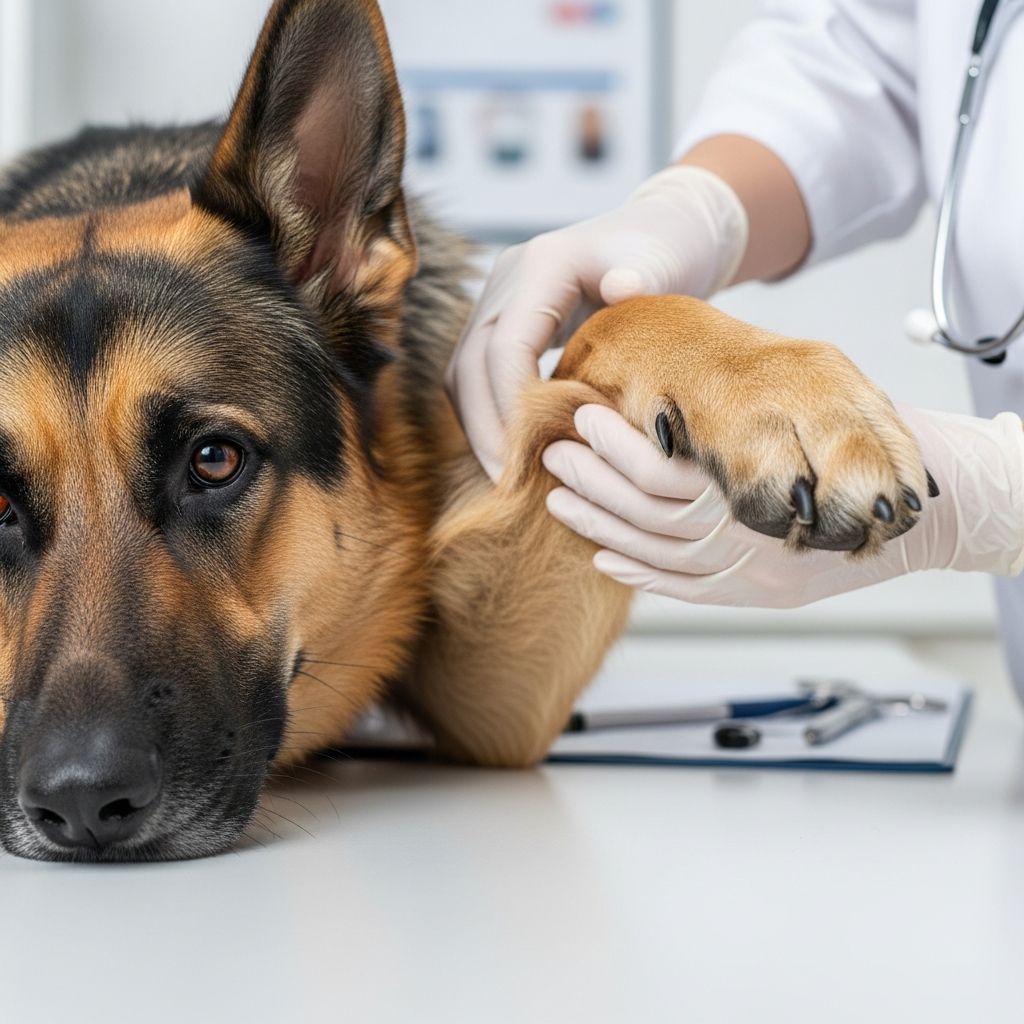
Elbow Dysplasia in Dogs: A Comprehensive Guide
Elbow dysplasia represents a significant orthopedic challenge for many dogs, particularly those in large and giant breeds. This developmental disorder arises from irregular growth in the elbow joint, leading to chronic pain, instability, and progressive arthritis. While not curable, proactive management can greatly enhance a dog’s comfort and mobility throughout life.
Understanding the Anatomy and Development of the Canine Elbow
The canine elbow joint is a complex hinge formed by three primary bones: the humerus (upper arm bone), radius, and ulna (forearm bones). In healthy dogs, these bones align precisely during growth, ensuring smooth articulation and even weight distribution. Disruptions in this process, often during the rapid growth phase of puppyhood, result in elbow dysplasia.
Genetic predisposition plays a central role, with heritability confirmed in breeds like Labrador Retrievers, Golden Retrievers, German Shepherds, Rottweilers, Bernese Mountain Dogs, and Newfoundlands. Environmental factors, including excessive nutrition promoting overly rapid growth, may exacerbate the condition. Signs typically emerge between 4 to 12 months, though milder cases might not manifest until later.
Primary Forms and Mechanisms of Elbow Dysplasia
Elbow dysplasia encompasses several interrelated pathologies, each contributing to joint incongruity and degeneration:
- Fragmented Coronoid Process (FCP): The most prevalent form, where the medial coronoid process of the ulna cracks and fragments due to abnormal stress. This leads to cartilage erosion and instability.
- Osteochondritis Dissecans (OCD): Failure of cartilage on the medial humeral condyle to ossify properly, resulting in thickened cartilage flaps that loosen and cause inflammation.
- Ununited Anconeal Process (UAP): The anconeal process on the ulna fails to fuse by 20 weeks, common in German Shepherds, creating a loose fragment that impairs joint function.
- Joint Incongruity: Mismatched growth rates between radius and ulna cause uneven loading on the joint surfaces.
These issues collectively provoke inflammation, cartilage breakdown, and osteoarthritis, often progressing to medial compartment disease (MCD) in advanced stages, where bone grinds on bone.
Recognizing Early Warning Signs
Owners may first notice subtle changes in their dog’s gait or behavior. Common symptoms include:
- Intermittent or persistent forelimb lameness, worse after rest or exercise.
- Stiffness upon rising, reluctance to play or walk long distances.
- Elbows held at unnatural angles or front paws rotating outward.
- Joint swelling, pain on palpation, and reduced range of motion.
- Head bobbing during movement in severe cases.
Bilateral involvement (both elbows) is frequent, masking asymmetry and making diagnosis trickier. Early detection is crucial, as delays accelerate arthritis.
Diagnostic Approaches for Accurate Assessment
Veterinarians employ a multi-modal strategy to confirm elbow dysplasia and pinpoint the specific lesion type:
| Method | Purpose | Advantages |
|---|---|---|
| Radiography (X-rays) | Initial screening for bone fragments, joint effusion, arthritis. | Non-invasive, widely available. |
| CT Scan | Detailed 3D imaging of subtle fractures like FCP. | Highly sensitive for early lesions. |
| MRI | Soft tissue and cartilage evaluation. | Complements CT for comprehensive views. |
| Arthroscopy | Direct joint visualization and biopsy. | Diagnostic and therapeutic in one procedure. |
Orthopedic exams, including flexion/extension tests and sedation for full assessment, guide the process. Genetic screening in breeding programs aids prevention.
Conservative Management Strategies
For mild cases or post-surgery support, non-surgical approaches focus on pain relief, joint preservation, and mobility maintenance:
- Weight Control: Reducing body weight alleviates joint stress; even 10-20% loss yields benefits.
- Exercise Modification: Low-impact activities like swimming (hydrotherapy) build muscle without concussion.
- Pharmacotherapy: NSAIDs (e.g., carprofen), joint fluid modifiers, and corticosteroids for inflammation.
- Supplements: Omega-3 fatty acids, glucosamine, chondroitin, and polysulfated glycosaminoglycans (DMOADs) to support cartilage health.
- Physical Rehabilitation: Therapeutic exercises, laser therapy, acupuncture enhance recovery.
These measures provide relief but do not halt progression; regular monitoring is essential.
Surgical Interventions: Timing and Techniques
Surgery is often recommended for moderate-to-severe cases, especially in young dogs, to remove debris and stabilize the joint. Options include:
- Arthroscopy: Minimally invasive; removes fragments (FCP/OCD), performs chondroplasty. Best outcomes in puppies under 1 year.
- UAP Excision or Fixation: Secures or removes the unfused process.
- Joint Realignment: For severe incongruity, osteotomies correct bone angles.
- Advanced Prosthetics: For end-stage MCD, procedures like CUE (canine ulnar elbow) resurface medial compartments, sparing healthy lateral cartilage.
Post-op recovery involves 4-12 weeks of restricted activity, with many dogs showing marked improvement in lameness.
Lifelong Care and Prognosis
Elbow dysplasia requires ongoing management, as arthritis persists. Owners should implement:
- Consistent weight monitoring and balanced, growth-controlled diets for puppies.
- Routine veterinary check-ups with imaging updates.
- Home adaptations like orthopedic beds, ramps, and non-slip flooring.
- Breeding avoidance in affected lines to curb prevalence.
Prognosis varies: Early surgery can delay severe OA by years, while conservative care suits mild cases. Most dogs maintain good quality of life with diligent care.
Prevention Tips for At-Risk Breeds
Responsible breeding using OFA/ PennHIP certifications screens for dysplasia. Feed large-breed puppies specialized formulas to moderate growth rates, avoiding excess calories. Early socialization with controlled exercise prevents overload.
Frequently Asked Questions (FAQs)
What breeds are most prone to elbow dysplasia?
Labradors, Goldens, German Shepherds, Rottweilers, Bernese Mountain Dogs, and Newfoundlands top the list due to genetic factors.
Can elbow dysplasia be cured?
No, but treatments manage symptoms and slow arthritis progression effectively.
Is surgery always necessary?
Not for mild cases; conservative options suffice, but surgery improves outcomes in moderate-severe dysplasia.
How much does treatment cost?
Conservative care: $50-200/month; Arthroscopy: $2,000-5,000 per elbow; Advanced surgeries higher. Costs vary by location.
Can hydrotherapy help my dog?
Yes, it strengthens muscles and improves joint mobility without impact stress.
This guide equips owners with knowledge to navigate elbow dysplasia. Consult a veterinary orthopedic specialist for tailored advice.
References
- Elbow Dysplasia in Dogs: Signs, Symptoms, Treatment — American Kennel Club. 2023-05-15. https://www.akc.org/expert-advice/health/elbow-dysplasia-in-dogs/
- Canine Unicompartment Elbow — Bridger Veterinary Specialists. 2024-02-10. https://www.bridgervetspecialists.com/services/canine-unicompartment-elbow.html
- Elbow Dysplasia in Dogs — Merck Veterinary Manual. 2025-01-20. https://www.merckvetmanual.com/musculoskeletal-system/arthropathies-and-related-disorders-in-small-animals/elbow-dysplasia-in-dogs
- Elbow Dysplasia in Dogs — PDSA. 2024-08-05. https://www.pdsa.org.uk/pet-help-and-advice/pet-health-hub/conditions/elbow-dysplasia-in-dogs
- Elbow Dysplasia — Cornell University College of Veterinary Medicine. 2023-11-12. https://www.vet.cornell.edu/departments-centers-and-institutes/riney-canine-health-center/canine-health-topics/elbow-dysplasia
- Elbow Dysplasia — Spry Companions. 2024-03-18. https://sprycompanions.com/orthopedic-problems/elbow-dysplasia/
- Canine Elbow Dysplasia — American College of Veterinary Surgeons. 2023-07-22. https://www.acvs.org/small-animal/canine-elbow-dysplasia/
Similar Articles




Read full bio of medha deb