

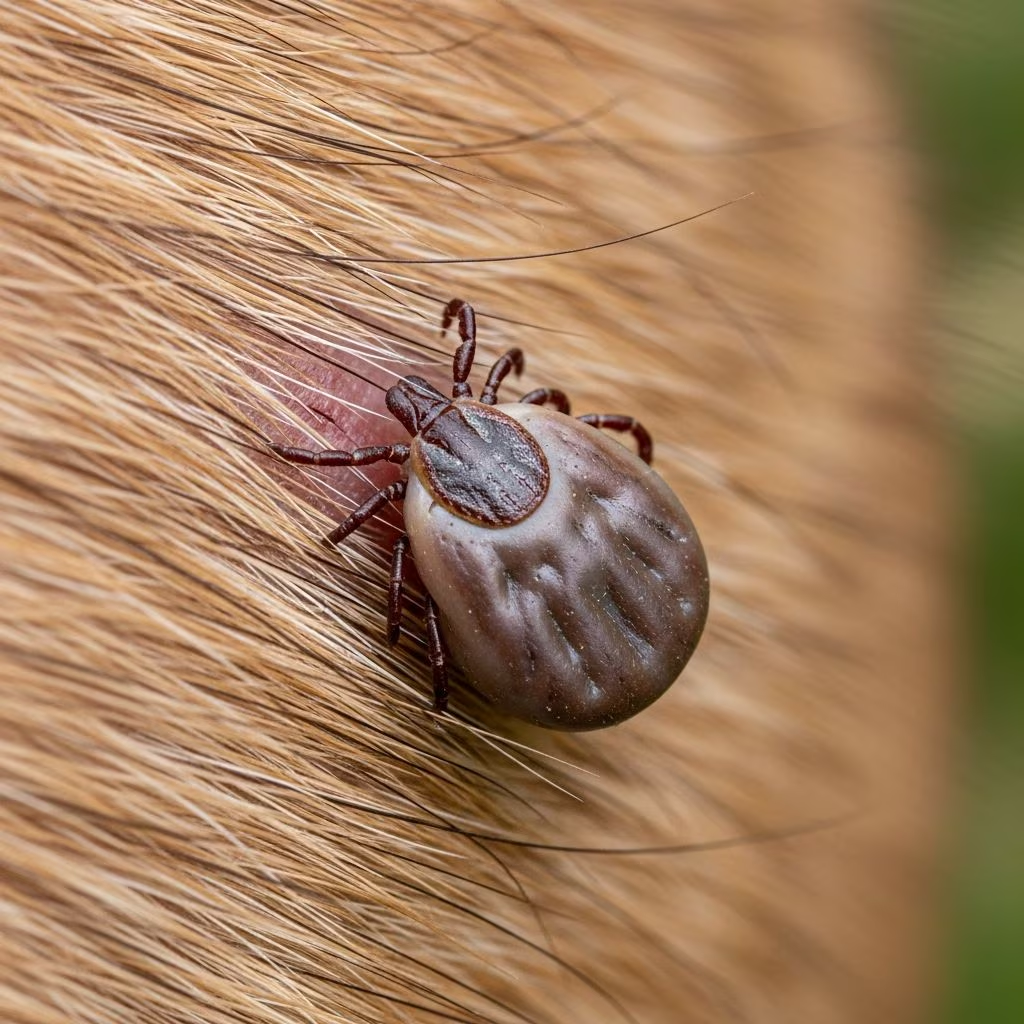
Tick-borne diseases pose significant risks to dogs, with ehrlichiosis standing out as one of the most prevalent and potentially severe conditions caused by the Ehrlichia bacteria. Primarily transmitted through bites from the brown dog tick, this infection targets white blood cells, leading to a range of health complications if not addressed promptly. Understanding its progression through distinct phases—acute, subclinical, and chronic—is crucial for pet owners to ensure timely veterinary intervention and optimal outcomes.
The Nature of Ehrlichia Bacteria and Transmission Routes
Ehrlichiosis results from infection by bacteria such as Ehrlichia canis, which invades monocytes and lymphocytes, disrupting normal immune function and blood cell production. The primary vector is the brown dog tick (Rhipicephalus sanguineus), thriving in warm climates and infesting kennels, yards, and homes. Dogs become infected when an infected tick attaches and feeds for several hours, allowing bacterial transmission. Other Ehrlichia species like E. chaffeensis or E. ewingii can also affect dogs, though E. canis is most common globally.
Geographic hotspots include the southeastern United States, but cases appear wherever brown dog ticks flourish, such as in Europe, Asia, and Africa. Urban and suburban environments with high dog populations amplify spread, emphasizing the need for vigilant tick control year-round, not just seasonally.
Phases of Ehrlichiosis: From Initial Infection to Long-Term Effects
Ehrlichiosis unfolds in three overlapping phases, each with unique clinical presentations and implications for treatment.
Acute Phase: The First Wave of Symptoms
Occurring 1-3 weeks post-tick bite, the acute phase involves rapid bacterial replication in white blood cells. Common signs include fever, lethargy, swollen lymph nodes, loss of appetite, and respiratory distress. Bleeding tendencies arise from low platelet counts, manifesting as nosebleeds, bruising, or petechial hemorrhages on gums and skin. Some dogs exhibit neurological signs like ataxia or meningitis.
- Fever and inflammation: Often the earliest indicator, with body temperature exceeding 103°F.
- Hemorrhagic issues: Due to thrombocytopenia, leading to spontaneous bleeding.
- Lymphadenopathy: Enlarged nodes signal immune response activation.
This phase lasts 2-4 weeks; many dogs resolve it naturally, but untreated cases progress.
Subclinical Phase: Silent Persistence
Following acute illness, bacteria retreat to the spleen, evading detection for months or years. Dogs appear healthy but show bloodwork abnormalities like mild anemia, thrombocytopenia, or hyperglobulinemia. PCR testing or serology may confirm infection, though clinical intervention is often unnecessary unless progression occurs.
Not all dogs advance to chronic disease; immune competence plays a key role. Breeds like German Shepherds may be more susceptible to severe outcomes due to genetic factors.
Chronic Phase: Severe, Systemic Decline
In the chronic stage, bone marrow suppression leads to pancytopenia—low counts of all blood cells. Symptoms escalate to pale gums from anemia, lameness from vasculitis, eye hemorrhages, increased thirst/urination from kidney damage, coughing, and neurological deficits like seizures or behavioral changes.
| Phase | Duration | Key Blood Changes | Prognosis with Treatment |
|---|---|---|---|
| Acute | 2-4 weeks | Thrombocytopenia, leukopenia | Excellent |
| Subclinical | Months-Years | Mild anemia, hyperglobulinemia | Good, often self-resolves |
| Chronic | Indefinite | Pancytopenia, severe anemia | Guarded |
This table summarizes phase-specific traits, highlighting why early detection via routine screening is vital.
Spotting the Warning Signs: Symptoms to Monitor
Owners should watch for multi-systemic clues. Early acute signs mimic flu-like illness, while chronic manifestations signal organ failure. Key indicators include:
- Unexplained bruising or bleeding from gums/nose.
- Persistent fatigue, weight loss despite normal eating.
- Lameness, joint swelling, or reluctance to move.
- Respiratory issues like coughing or labored breathing.
- Ocular problems: uveitis, retinal bleeding, or vision loss.
- Behavioral shifts: confusion, aggression, or disorientation.
Prompt veterinary visits are essential if ticks are found or after outdoor activities in endemic areas.
Diagnostic Approaches: Confirming Ehrlichiosis
Veterinarians rely on history, clinical signs, and lab tests. Complete blood counts (CBC) reveal thrombocytopenia and anemia; serum chemistry uncovers kidney/liver involvement. Serology (IFA) detects antibodies, while PCR identifies bacterial DNA for active infection differentiation.
In subclinical cases, positive titers without symptoms warrant monitoring over immediate treatment to avoid resistance. Co-infections with Lyme or anaplasmosis complicate pictures, necessitating broad panels.
Treatment Protocols: Antibiotics and Supportive Care
Doxycycline (10 mg/kg daily for 28 days) is the gold standard, often yielding improvement within 24-48 hours in acute cases. Minocycline serves as an alternative. Chronic patients may require hospitalization for IV fluids, blood transfusions, and immunosuppressants like prednisone.
- Outpatient management: Oral antibiotics, pain relief (e.g., gabapentin), appetite stimulants.
- Hospital care: For severe anemia/bleeding, including transfusions.
- Monitoring: Weekly bloodwork to track recovery.
Dogs can be reinfected, so post-treatment prevention is non-negotiable.
Prognosis and Long-Term Management
Acute/subclinical ehrlichiosis boasts excellent recovery rates with therapy. Chronic forms carry poorer odds, especially with bone marrow failure, though some stabilize. Lifelong monitoring via annual titers and CBCs is advised for exposed dogs.
Support recovery with nutritious diets, comfortable bedding, and stress reduction. High-quality protein aids blood cell regeneration.
Prevention Strategies: Keeping Ticks at Bay
No vaccine exists, so integrated pest management is key:
- Monthly topical/oral preventives (e.g., isoxazolines).
- Daily tick checks post-outdoors, removing with fine tweezers.
- Yard treatments: acaricides, fencing to limit wildlife.
- Avoiding tick-heavy areas during peak seasons.
Environmental decontamination prevents household reinfestation.
Frequently Asked Questions (FAQs)
Can ehrlichiosis resolve without treatment?
Some dogs clear acute infections spontaneously, but this is unreliable; treatment prevents progression.
How long do antibiotics take to work?
Clinical improvement often starts in 24-72 hours; full courses last 4 weeks.
Is ehrlichiosis transmissible to humans?
Yes, E. chaffeensis affects people; practice tick hygiene.
What if my dog tests positive but seems healthy?
Discuss monitoring vs. treatment with your vet to balance risks.
Are certain breeds more at risk?
German Shepherds and other large breeds show higher chronic severity.
Conclusion: Empowering Pet Owners Against Ehrlichiosis
Vigilance, rapid diagnostics, and doxycycline therapy transform ehrlichiosis from a life-threatening foe into a manageable condition. By prioritizing prevention and routine check-ups, owners can protect their dogs from this insidious tick-borne menace.
References
- The Treatment of Ehrlichiosis in Dogs — Snellville Animal Hospital. 2024-05-15. https://www.snellvilleanimalhospital.org/site/blog/2024/05/15/treatment-ehrlichiosis-dogs
- Ehrlichiosis in Dogs — PetMD. Recent. https://www.petmd.com/dog/conditions/infectious-parasitic/c_dg_ehrlichiosis
- Ehrlichiosis in Dogs – Treatment & Prognosis — VSCOT. 2021-07-15. https://www.vscot.com/site/blog/2021/07/15/ehrlichiosis-in-dogs-treatment
- Ehrlichiosis in Dogs — VCA Animal Hospitals. Recent. https://vcahospitals.com/know-your-pet/ehrlichiosis-in-dogs
- What to Do With the Ehrlichia-Positive Healthy Dog — Today’s Veterinary Practice. Recent. https://todaysveterinarypractice.com/parasitology/what-to-do-with-the-ehrlichia-positive-healthy-dog/
- Ehrlichiosis in Dogs: A Comprehensive Review — PMC (NCBI). 2023. https://pmc.ncbi.nlm.nih.gov/articles/PMC9863373/
- Ehrlichiosis in Dogs: Fast Facts for Dog Owners — CDC. 2022-04-13. https://www.cdc.gov/ehrlichiosis/pdfs/fs-ehrlichiosisowners-508.pdf



