

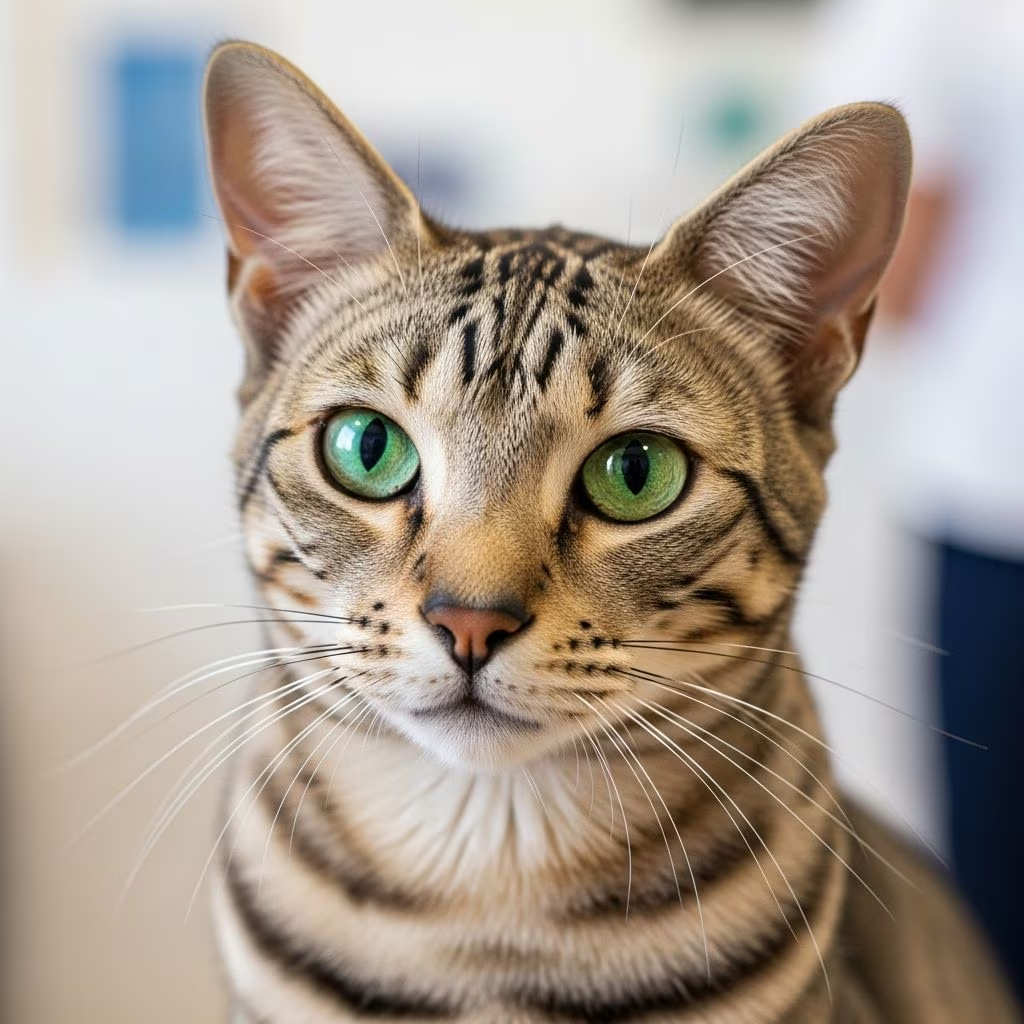
The Egyptian Mau, with its striking spotted coat and athletic build, is one of the oldest domesticated cat breeds, tracing roots to ancient Egypt. Known for their speed—capable of running up to 30 miles per hour—and playful energy, these medium-sized cats typically live 12–15 years with proper care. Despite their robustness, Egyptian Maus have genetic predispositions to certain health issues that owners must monitor closely. Early detection through regular veterinary check-ups, genetic testing, and lifestyle adjustments can significantly improve outcomes. This article details the six primary health concerns, symptoms, treatments, and prevention strategies, drawing from veterinary expertise to help you keep your Mau thriving.
The 6 Egyptian Mau Health Problems
While Egyptian Maus are generally healthy, they face breed-specific risks including cardiac, hematologic, urinary, dental, and respiratory conditions. Awareness empowers owners to act proactively.
1. Hypertrophic Cardiomyopathy (HCM)
Hypertrophic cardiomyopathy (HCM) is the most prevalent heart disease in cats, affecting approximately one in seven, with Egyptian Maus at elevated risk due to genetic factors. This condition causes abnormal thickening of the heart muscle, particularly the left ventricle, impairing blood flow and leading to weakened cardiac function over time. Many cats remain asymptomatic for years, making routine screening essential.
Symptoms often develop subtly but can escalate rapidly:
- Abnormal gum color (blue, pale, or gray)
- Arrhythmias or irregular heartbeats
- Blue nail beds and foot pads
- Blood clots causing cold rear limbs, breathing difficulties, pain, vomiting, or paralysis
- Difficulty breathing or open-mouth respiration
- Fainting, collapse, or sudden death
- Fluid accumulation in abdomen or lungs
- Heart murmurs or failure signs
- Lethargy, weakness, inappetence
- Tiring easily during play
- Unstable or weak pulse
Diagnosis involves echocardiography, chest X-rays, and blood tests to assess heart function. There is no cure, but management includes beta-blockers, ACE inhibitors, diuretics for fluid buildup, and anti-clotting medications like clopidogrel. Nutrition plays a key role: low-sodium, taurine-rich diets support cardiac health. Regular monitoring via ultrasounds every 6–12 months is recommended for at-risk breeds. Breeders should screen parents genetically to reduce HCM incidence.
2. Pyruvate Kinase Deficiency
Pyruvate kinase deficiency (PKD or PK-Def) is a rare autosomal recessive inherited blood disorder prevalent in Egyptian Maus. It results from a mutation lacking the pyruvate kinase enzyme in red blood cells, causing premature cell destruction (hemolysis), reduced oxygen-carrying capacity, and regenerative anemia. Severity varies; some cats live normal lifespans with mild symptoms, while others require intensive intervention.
Common signs include:
- Elevated heart rate
- Lethargy and general weakness
- Jaundice (yellowing of skin/membranes, rare)
- Muscle wasting
- Pale mucous membranes
Genetic testing of breeding cats via DNA swabs prevents transmission—carriers should not be bred. Diagnosis confirms via bloodwork showing anemia, low enzyme levels, and PCR testing. Treatment for symptomatic cats involves blood transfusions, corticosteroids to suppress immune-mediated hemolysis, and supportive care like splenectomy in severe cases. Experimental bone marrow transplants exist but carry high risks and costs. Owners of diagnosed Maus should monitor hemoglobin levels quarterly and provide iron-rich, antioxidant-packed diets.
3. Cystitis and Urolithiasis (Urinary Tract Issues)
Cystitis, or bladder inflammation, falls under feline lower urinary tract disease (FLUTD), often idiopathic (FIC) in stress-prone breeds like the high-energy Egyptian Mau. Their sensitive temperament exacerbates stress-triggered episodes. Relatedly, urolithiasis—stony deposits (uroliths or bladder stones, often urate)—is breed-specific, especially in young males under 6 years, risking life-threatening urethral blockages.
Symptoms overlap:
- Frequent, painful urination attempts (straining)
- Blood in urine (hematuria)
- Urinating outside litter box
- Complete blockages causing kidney failure (emergency)
Diagnosis requires urinalysis, X-rays/ultrasounds, and culture to rule out infections. Treatment tailors to cause: pain meds (buprenorphine), anti-spasmodics, prescription urinary diets (e.g., dissolving struvite stones), fluid therapy, or surgery for stubborn uroliths. Prevention emphasizes stress reduction via puzzle feeders, pheromone diffusers, multiple litter boxes; unlimited fresh water (fountains); and wet food diets. Annual urine checks catch issues early.
4. Mouth and Gum Disease (Dental Issues)
Periodontal disease affects most cats over age 3, with Egyptian Maus susceptible due to plaque buildup from diet and genetics. Tartar accumulation leads to gingivitis (gum inflammation), progressing to periodontitis with pockets harboring bacteria that disseminate systemically, damaging heart, kidneys, and liver.
Signs include:
- Bad breath (halitosis)
- Drooling or pawing at mouth
- Loose teeth or tooth loss
- Red, swollen gums
- Difficulty eating
Prevention is straightforward: daily brushing with enzymatic cat toothpaste, dental diets/treats, and professional cleanings under anesthesia every 6–12 months. Advanced cases may require extractions or grafting. Regular home care reduces veterinary costs and pain.
5. Feline Asthma
Feline asthma involves allergic bronchitis where airways hypersensitize to irritants like dust, pollen, or smoke, causing inflammation and bronchoconstriction. Though not breed-dominant, active Maus in allergen-rich homes are vulnerable.
Symptoms:
- Abdominal breathing (belly heaves)
- Coughing (may mimic hairballs)
- Difficulty breathing, wheezing
- Open-mouth breathing
Diagnosis via X-rays, bronchoscopy. Treatment: corticosteroids (inhaled fluticasone preferred to minimize side effects), bronchodilators (albuterol), and allergen avoidance (HEPA filters, no smoking). Most cats respond well long-term.
6. Additional Concerns: Leukodystrophy and Umbilical Hernias
Leukodystrophy, a rare neurological disorder, myelinates white matter in brain/spine, appearing in kittens at 7 weeks with ataxia, tremors, or paralysis. Genetic testing is crucial. Umbilical hernias involve abdominal protrusion near the navel, often surgically corrected.
General Care Tips for Egyptian Mau Health
Beyond breed risks, vaccinate against core diseases (FVRCP), deworm/parasite preventives, and spay/neuter. Provide high-quality diet balancing wet/dry foods, weekly grooming, nail trims, and ear cleaning. Enrichment prevents obesity and stress.
| Health Issue | Risk Level | Prevention |
|---|---|---|
| HCM | High | Genetic screening, echoes |
| PK Deficiency | Medium | DNA testing breeders |
| Cystitis/Urolithiasis | High (males) | Stress reduction, urinary diets |
| Dental Disease | Medium | Daily brushing |
| Asthma | Low-Medium | Allergen control |
Frequently Asked Questions (FAQs)
Q: How can I prevent HCM in my Egyptian Mau?
A: Choose breeders using genetic tests; schedule annual echocardiograms starting at age 1. Maintain a cardiac-supportive diet.
Q: Is pyruvate kinase deficiency fatal?
A: Not always—mild cases allow normal lives with monitoring; severe ones need transfusions.
Q: Why are male Egyptian Maus prone to urinary blockages?
A: Narrow urethra traps stones; symptoms demand immediate vet care to avoid kidney failure.
Q: How often should I brush my Mau’s teeth?
A: Daily ideally, at least 3x weekly, plus vet cleanings.
Q: Can Egyptian Maus live long despite health risks?
A: Yes, 12–15 years average with proactive care and testing.
References
- 5 Egyptian Mau Health Problems to Watch Out For — Catster. 2023. https://www.catster.com/cat-health-care/egyptian-mau-health-problems/
- What to Know About an Egyptian Mau — WebMD. 2024-01-15. https://www.webmd.com/pets/cats/what-to-know-about-an-egyptian-mau
- Egyptian Mau Cat Breed Health and Care — PetMD. 2024. https://www.petmd.com/cat/breeds/egyptian-mau
- Egyptian Mau — TICA (The International Cat Association). 2025. https://tica.org/breed/egyptian-mau/
- Egyptian Mau — The Cat Fanciers’ Association (CFA). 2024. https://cfa.org/breed/egyptian-mau/



