

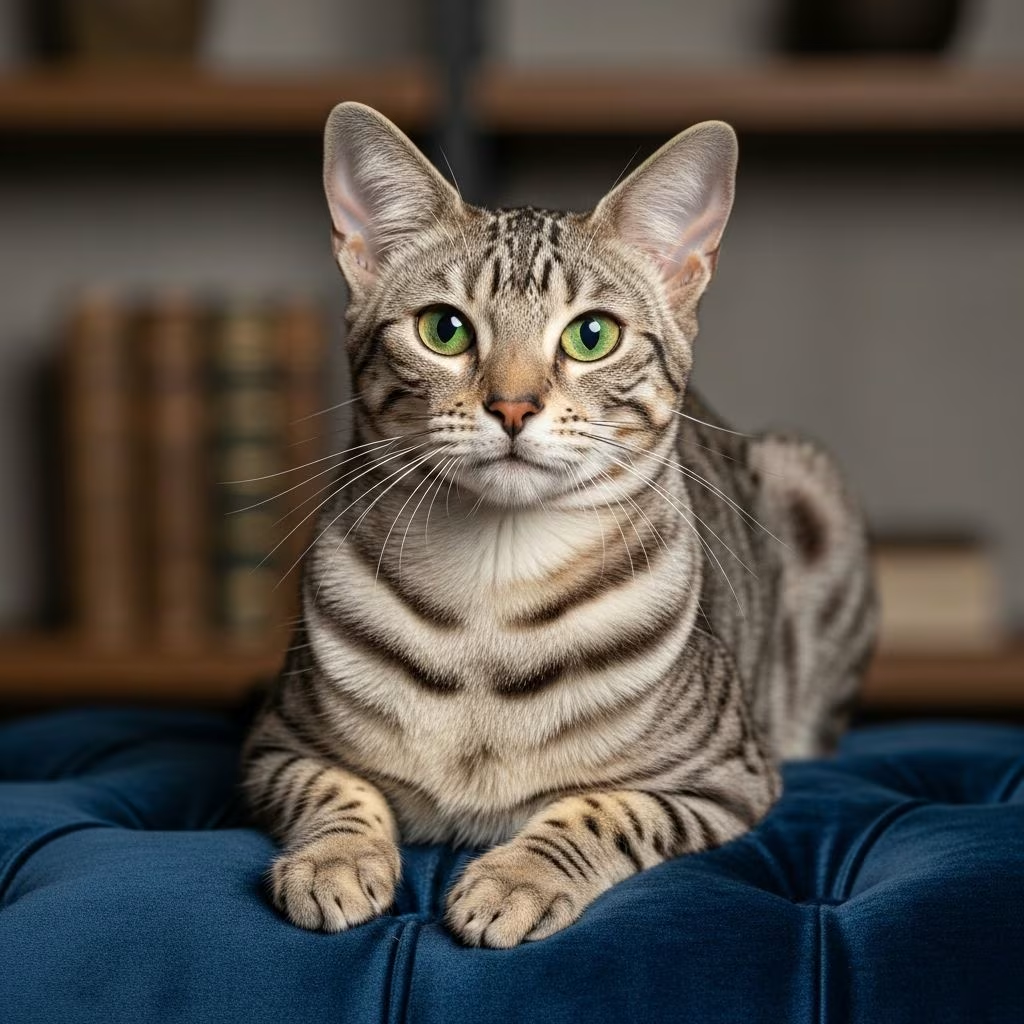
The Egyptian Mau stands out as the sole naturally spotted domestic cat breed, boasting a coat adorned with vivid spots that trace back to ancient lineages. These cats feature three primary recognized colors—silver, bronze, and smoke—each displaying intricate patterns that highlight their wild elegance and athletic build.
The Natural Spotted Heritage of Egyptian Maus
Unlike many breeds with artificially induced spots, the Egyptian Mau’s markings occur naturally, a trait preserved through selective breeding to maintain authenticity. This genetic distinction sets them apart, with spots distributed randomly across the body rather than in uniform rows, mimicking their ancestral African wildcat roots.
Their coat’s ticking—multiple bands of color on each hair—creates depth and shimmer, especially noticeable when light hits the fur. This structure not only enhances visual appeal but also underscores their status as living relics of feline evolution.
Primary Coat Colors: Silver, Bronze, and Smoke
Silver Egyptian Maus exhibit a pale silver or ivory ground color, overlaid with bold black or charcoal spots that provide stark contrast. Bronze variants display a warm golden-brown base with mahogany or dark brown spots, while smoke Maus feature a pale silver undercoat tipped entirely in black for a ghostly, ethereal effect.
- Silver: Ground color fades to brilliant pale silver on the underside; markings in charcoal with high contrast.
- Bronze: Rich tan to buff background; spots in saddle brown or black, blending seamlessly into the warm tones.
- Smoke: Pale silver base with jet-black tipping on all hairs; markings sharply defined against the undercoat.
These colors must adhere to strict breed standards, ensuring the spots are vivid and the overall impression is one of balanced muscularity and alertness.
Signature Patterns and Markings
Egyptian Mau patterns are meticulously defined, starting with the iconic ‘M’ scarab mark on the forehead, flanked by frown lines that extend down the neck. These lines break into elongated spots along the spine, culminating in a solid dorsal stripe on the tail.
On the shoulders and sides, random spots vary in size, never forming solid stripes. The chest boasts broken necklaces—vertical lines of spots—while the belly features vest-button spots. Pencilling on legs and tail adds texture without overpowering the spotted theme.
| Body Area | Key Pattern Features |
|---|---|
| Head | Forehead ‘M’, cheek ruffs, anchor on chin |
| Neck/Shoulders | Continuous lines breaking into spots |
| Torso | Random spots, no stripes; broken necklaces on chest |
| Tail | Dorsal stripe ending in rings |
| Legs/Belly | Spots and vest buttons; pencilling allowed |
Other Recognized and Rare Variants
Beyond the trio of silver, bronze, and smoke, black (solid ebony) and blue (diluted smoke in a slate-gray hue) are permitted in some registries, though not for show competition. Caramel, a rare dilute of bronze, appears in honeyed tones with subtle spotting. These variants maintain the same patterning rules, ensuring consistency across the breed.
Disqualifications in shows include lack of spots, solid stripes, or improper eye color—large almond-shaped eyes must show green hues over 8 months, without amber casts in adults.
Understanding Coat Texture and Quality
The medium-length coat is dense and resilient in silver and bronze, with a lustrous sheen, while smoke is silkier. Ticking bands—two or more per hair—separate darker tips from lighter undercoats, creating the signature glow. Paw pads match the coat: brick red for silver/bronze noses, black for smoke, with corresponding toe colors.
Grooming is straightforward; weekly brushing preserves the sheen and minimizes shedding. Their short, close-lying ear fur and naturally clean habits reduce bathing needs, though sensitivity to cold may call for sweaters in cooler climates.
Breed Standards from Leading Organizations
The Cat Fanciers’ Association (CFA) outlines precise criteria: medium size, muscular yet graceful, with a loose skin flap from flank to knee aiding their record-breaking speed—up to 30 mph. Ears are medium-large, alert; eyes almond-shaped with kohl-like lining.
Purina notes their lean elegance and weekly grooming, emphasizing a calm environment suited to their inquisitive nature. These standards ensure only cats with authentic natural spotting advance in pedigrees.
Caring for the Egyptian Mau Coat
Maintain coat vibrancy with a high-protein diet supporting skin health. Avoid overbathing to preserve natural oils. Check ears weekly for wax, given their alertness to sounds. Their hunting heritage demands interactive toys to channel energy, preventing boredom-induced fur-pulling.
In multi-cat homes, introduce slowly; their territorial instincts favor familiar bonds. Indoor-outdoor access with harness walks suits their agility, but supervise to protect the coat from snags or dirt.
Health Considerations Linked to Coat Genetics
Natural spotting ties to robust genetics, with fewer predispositions than designer breeds. Monitor for cold sensitivity due to shorter gestation (73 days) and lean build. Regular vet checks ensure eye color develops properly, a key standard.
Why Egyptian Mau Patterns Captivate Owners
Owners cherish the Mau’s vivid coat as a daily spectacle, reflecting their ancient Egyptian ties—tomb paintings depict similar spotted felines. Their chirps and dog-like devotion amplify the allure of these patterned wonders.
Frequently Asked Questions (FAQs)
Are Egyptian Mau spots natural or bred-in?
Yes, they are the only domestic breed with naturally occurring spots, not induced by crossbreeding.
What are the three main Egyptian Mau colors?
Silver, bronze, and smoke, each with distinct ground colors and ticking.
Can black Egyptian Maus be shown?
Black is allowed for registration but not competition, as spots are hidden.
How do I groom an Egyptian Mau coat?
Brush weekly; their coat self-cleans well, needing minimal baths.
Why do Egyptian Maus have a skin flap?
It allows hind legs to extend fully, enabling speeds over 30 mph.
Are Egyptian Maus good family pets?
They bond deeply with owners but may be reserved with strangers and children.
References
- Egyptian Mau Breed Standard — Cat Fanciers’ Association. 2023. https://cfa.org/breed/egyptian-mau/
- Egyptian Mau Cat Breed Information — Purina UK. 2024. https://www.purina.co.uk/find-a-pet/cat-breeds/egyptian-mau
- Egyptian Mau — Wikipedia (citing primary sources). 2025. https://en.wikipedia.org/wiki/Egyptian_Mau
- Egyptian Cats – Egyptian Mau — Cat Breeds Info. 2023. https://www.cat-breeds-info.com/egyptian-cats.html
- Egyptian Mau Cat Facts — ASPCA Pet Health Insurance. 2024. https://www.aspcapetinsurance.com/resources/egyptian-mau/



