

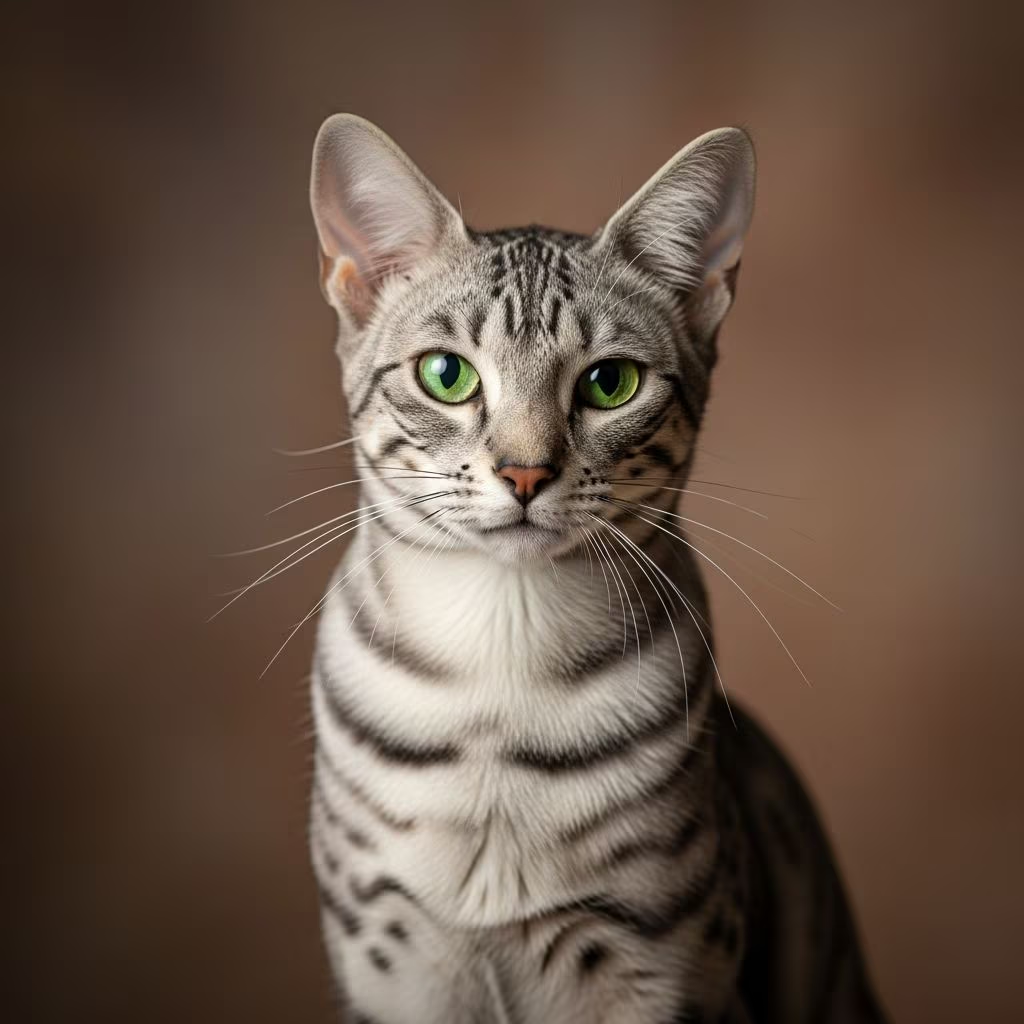
The Egyptian Mau stands out as one of the most captivating cat breeds, blending ancient heritage with modern-day charm. Naturally spotted and remarkably athletic, these cats trace their lineage to the felines revered in ancient Egyptian art, offering pet owners a piece of history in their homes.
Deep Roots in Antiquity: The Origins of the Egyptian Mau
The story of the Egyptian Mau begins over 3,000 years ago in the cradle of civilization along the Nile River. Archaeological evidence, including artwork from 1400-1500 BCE, depicts cats with similar spotted coats, suggesting these animals were not only companions but also symbols of protection and divinity in Egyptian society.
Unlike many breeds crafted through selective breeding, the Egyptian Mau is considered a natural breed, descending directly from Egypt’s street cats. Genetic studies confirm Middle Eastern ties, grouping them with populations from Egypt, Turkey, Israel, and Italy, alongside breeds like the Turkish Angora and Van. This authenticity underscores their status as potentially the oldest domesticated cat variety still in existence.
Post-World War II, the breed faced near extinction in Europe but was revived through imports from Egypt. Pioneering figures like Princess Nathalie Troubetskoy brought foundation cats such as Baba to Italy in 1953 and later to the United States, where breeding programs solidified the modern Egyptian Mau. By the 1990s, enthusiasts in the USA, Canada, Europe, and Japan had established thriving lines. The Cat Fanciers’ Association (CFA) recognized them fully, emphasizing their Egyptian provenance without outcrosses.
Striking Physical Traits: What Defines the Egyptian Mau Look
Egyptian Maus are medium-sized cats, typically measuring around 600mm from nose to tail tip, with a sleek, muscular build that conveys agility and grace. Their short to medium coat features random, naturally occurring spots—round or oblong, never forming lines—which set them apart as one of the few truly spotted domestic breeds.
Coat colors include silver (pale ground with black spots), bronze (warm coppery base with chocolate-brown spots), smoke (dark gray with black spots), and occasionally black or blue variants. A signature “mascara” line accents their cheeks, while a dark tail tip and spine line enhance their wild appearance. Large, almond-shaped eyes gleam in gooseberry green, framed by wide-set, non-tufted ears.
| Color Variant | Ground Color | Spot Color | Notable Features |
|---|---|---|---|
| Silver | Pale ivory or silver | Black | High contrast, glitter sheen |
| Bronze | Warm beige to copper | Chocolate brown | Rufous tones, sparkling effect |
| Smoke | Dark mahogany | Black | Spots visible on closer inspection |
Their longer hind legs and a unique flap of skin between flank and knee allow exceptional stride extension, contributing to their record-breaking speed. Overall, the Egyptian Mau exudes an elegant, foreign type with a moderately long body and lively posture.
Athletic Prowess: Speed, Jumps, and Playful Energy
Renowned for their speed, Egyptian Maus are the fastest domestic cats, clocking up to 30 mph (48 km/h)—faster than most breeds—thanks to their specialized anatomy. They can leap six feet high from a standstill, making them adept climbers and acrobats who thrive on vertical spaces and interactive toys.
- Top Speed: Up to 30 mph, aided by hind leg structure and skin flap.
- Vertical Jump: 6 feet from standing position.
- Daily Needs: High energy; requires climbing trees, puzzle feeders, and play sessions.
This athleticism stems from their street cat ancestors, who hunted efficiently in Egypt’s landscapes. Modern Maus channel this into household antics, often fetching toys or racing through rooms with boundless enthusiasm.
Temperament and Personality: Loyal Companions with Spirit
Egyptian Maus combine independence with devotion, forming strong bonds with their families while retaining a touch of wild reserve toward strangers. They are intelligent, curious explorers who enjoy human interaction but value their personal space. Vocal yet not overly demanding, they chirp and trill to communicate, especially during play.
Highly active, they suit homes with space for exercise and mental stimulation. Their affectionate nature shines in quiet lap sessions, but they dislike being confined or ignored. Early socialization ensures well-rounded adults, blending playfulness with gentle loyalty.
Health and Longevity: Robust Cats with Specific Considerations
Generally hardy, Egyptian Maus live 12-15 years or more, benefiting from their diverse gene pool via traditional European and Indian lines. Common concerns include:
- Pyruvate Kinase Deficiency (PKD): A genetic anemia; screening recommended.
- Gestation: Longer at 73 days vs. 64-67 for typical cats.
- Dental Issues: Routine care prevents gingivitis.
Breeders should provide health certifications. A balanced diet, dental hygiene, and annual vet checks promote vitality. Their natural spotting resists overbreeding pitfalls seen in man-made patterns.
Grooming and Everyday Care: Low-Maintenance Elegance
Short coats require weekly brushing to enhance sheen and reduce shedding. Bathe rarely, as they self-groom meticulously. Nail trims biweekly, ear cleaning monthly, and dental brushing daily maintain their pristine look.
Provide scratching posts, high perches, and toys mimicking prey. They adapt to indoor life but appreciate secure outdoor enclosures for their hunter instincts. Nutrition should emphasize high-protein kibble supporting lean muscle.
Bringing Home an Egyptian Mau: Adoption and Breeding Insights
Acquire from reputable breeders verifying Egyptian lineage—no outcrosses allowed by CFA. Kittens cost $800-$2,000, reflecting rarity. Shelters occasionally have rescues. Prepare with tall furniture, interactive feeders, and patience for their spirited youth.
Indian lines introduced richer colors and health boosts, blending with traditional types for optimal vigor. GCCF grants championship status since 2006, prioritizing type over origin.
Fun Facts and Cultural Legacy
- Mau means “cat” in ancient Egyptian, honoring their sacred status.
- Influenced Bengal breed development via Indian imports.
- Spots glow under certain lights due to glitter gene.
- First shown in Rome, 1955; U.S. champion Baba in 1957.
These facts highlight their enduring mystique, from pharaohs’ companions to show-ring stars.
Frequently Asked Questions (FAQs)
Are Egyptian Maus good with children and other pets?
Yes, when socialized early; their playfulness matches active kids, but supervise due to high energy.
How fast can an Egyptian Mau run?
Up to 30 mph, making them the speediest domestic breed.
What colors do Egyptian Maus come in?
Silver, bronze, smoke, black, and rarely blue.
Do Egyptian Maus shed a lot?
Minimally; weekly brushing suffices for their short coat.
Are they hypoallergenic?
No, but low-shedding coats reduce allergens somewhat.
References
- 10 Facts About the Egyptian Mau – Cat Breeds 101 — FELIWAY. Accessed 2026. https://www.feliway.co.uk/blogs/news/10-facts-about-the-egyptian-mau-cat-breeds-101
- History and Origins — Egyptian Mau Society. Accessed 2026. https://www.egyptianmausociety.co.uk/history-and-origins
- Egyptian Mau — Governing Council of the Cat Fancy (GCCF). Accessed 2026. https://www.gccfcats.org/getting-a-cat/choosing/cat-breeds/egyptian-mau/
- Egyptian Mau — Cat Fanciers’ Association (CFA). Accessed 2026. https://cfa.org/breed/egyptian-mau/
- Egyptian Mau — Wikipedia (informed by primary sources). Accessed 2026. https://en.wikipedia.org/wiki/Egyptian_Mau



