

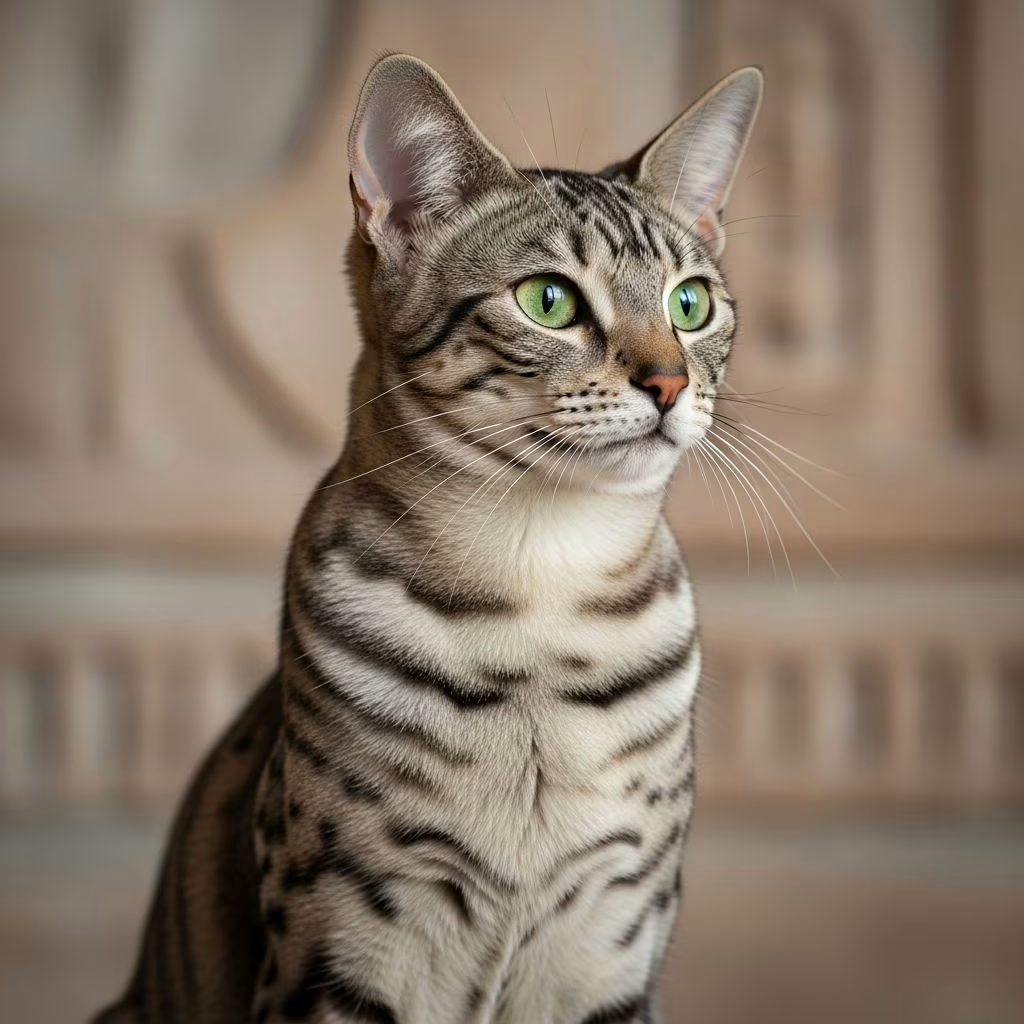
Egyptian Mau: The Naturally Spotted Cat Breed
The Egyptian Mau stands as one of the most distinctive and captivating cat breeds in existence, earning recognition as the only naturally spotted domestic cat breed. With roots tracing back to ancient Egypt, where they were revered and often depicted in art and hieroglyphics, these remarkable felines combine athletic prowess with devoted companionship. The Cat Fanciers’ Association first recognized this breed for cat show competition in 1968, establishing them as a formal breed standard. Today, Egyptian Maus continue to captivate cat enthusiasts worldwide with their unique appearance, extraordinary athleticism, and deeply affectionate nature toward their chosen families.
Physical Characteristics and Appearance
The Egyptian Mau displays a lithe, athletic body that immediately captures attention with its distinctive features and graceful movements. Understanding the breed’s physical standards helps potential owners appreciate why these cats are so visually striking.
Body Structure and Size
Egyptian Maus are small to medium-sized cats, with males typically larger than females. They possess a muscular, well-developed frame that emphasizes their athletic nature. The breed’s body is medium-long and graceful, showing well-developed muscular strength that becomes particularly evident when they move. One distinctive characteristic is a loose skin flap extending from the flank to the hind leg knee, which plays a crucial role in their exceptional running abilities.
Head, Eyes, and Ears
The Mau’s head features a slightly rounded wedge shape without flat planes, presenting an alert and refined appearance. Their most striking facial features are their large, almond-shaped eyes that display a beautiful gooseberry or green color with a slight slant toward the ears. These eyes give the breed a characteristic “worried” expression that adds to their endearing appeal. Dark “mascara” lines extend from the outer corner of their eyes along their cheeks, enhancing this expressive look. Their medium-to-large ears are broad at the base and slightly flared, with short, close-lying hair and a delicate, almost transparent shell-pink inner ear.
Coat and Coloring
The Egyptian Mau’s most distinctive feature is their naturally spotted coat, which comes in three primary colors: silver, bronze, and smoke. The coat is medium in length with a lustrous, glossy sheen that requires minimal maintenance. In smoke-colored cats, the hair is silky and fine in texture, while silver and bronze Maus have denser, more resilient hair that accommodates two or more bands of ticking separated by lighter bands. The spots should have great contrast against the body color and can vary in shape and size. The breed features a characteristic “M” marking on the forehead and a dorsal stripe that travels the length of the spine, reminiscent of ancient Egyptian scarab designs.
Distinctive Physical Traits
Perhaps the most unique physical characteristic is the Egyptian Mau’s trademark “tiptoe” stance. This distinctive posture results from the hind legs being proportionately longer than the front legs, giving the appearance of the cat walking on the tips of its toes. The tail is medium-long, thick at the base with a slight taper, and features distinctive banding patterns. Their paws are small and dainty, slightly oval and almost round in shape.
Behavior and Temperament
Beyond their striking appearance, Egyptian Maus possess personalities that make them exceptional companions for the right owners. Their behavioral traits reflect both their ancient heritage and their adaptability to modern household life.
Intelligence and Devotion
Egyptian Maus are exceptionally intelligent cats that form intense bonds with their owners. They expect to be considered integral members of the household and demonstrate loyalty that rivals dog-like devotion. Once the bond is established, Maus follow their people around like dogs, participating in every aspect of their owners’ lives. They are sensitive to the moods of their owners and have a wonderful knack of appearing with a soft purr precisely when their companions need comfort.
Activity Level and Play
These cats rank among the most athletic and agile cat breeds available. Maus are capable of leaping six feet in the air from a standing position and running at speeds exceeding 30 miles per hour, making them the fastest domestic cat breed. Their athletic prowess stems from their unique physical structure, particularly the loose skin flap that extends from the flank, which allows their hind legs to stretch back farther, providing greater agility and length of stride. Daily interactive play is essential to unleash their pent-up energy and maintain their physical and mental well-being.
Social Characteristics
Egyptian Maus are known for their quiet, melodious voices and enjoy engaging their owners in conversations, often chirping or chattering in greeting. They take great pleasure in interactive games and may even train their owners to play fetch with them. Many Maus enjoy walking on harnesses and leashes, extending their interactive experiences beyond the home environment. Active, alert, and agile, they serve as shoulder riders, refrigerator vultures, and furry alarm clocks, participating enthusiastically in every aspect of household life.
Relationship with Strangers
While Egyptian Maus are deeply affectionate with their chosen people, they are typically cautious or reserved with strangers. Strong-willed by nature, they have definite ideas about who can handle them and when. However, with “their” people, they are affectionate, loyal, outgoing, and fearless, making wonderful family pets for households that can provide the attention and engagement they require.
Grooming and Coat Care
One of the more manageable aspects of Egyptian Mau ownership is their grooming requirements. Their coat benefits from regular, but minimal, maintenance to keep it healthy and beautiful.
The easy, minimally shedding coat requires only weekly care to maintain its lustrous shine. A simple wiping down with a slightly damp washcloth once per week effectively removes loose hair and retains the coat’s natural sheen. This minimal grooming routine makes Egyptian Maus an excellent choice for owners seeking a cat breed that doesn’t demand extensive coat maintenance. Regular nail trimming, ear cleaning, and dental care should also be incorporated into their routine health maintenance.
Special Considerations for Egyptian Mau Owners
Prospective Egyptian Mau owners should be aware of several special considerations that distinguish this breed from more typical domestic cats.
Maturation Timeline
Egyptian Maus take up to two years before reaching physical maturity, significantly longer than most cat breeds. This extended development period means owners should adjust their expectations for size and full personality expression during the first two years of ownership.
Environmental Sensitivity
These cats are more sensitive to cold than other cat breeds, requiring comfortable, warm environments. Owners should provide heating provisions during cooler months and avoid exposing their Maus to cold drafts or outdoor temperatures below their comfort threshold.
Space Requirements
Given their exceptional athleticism and active nature, Egyptian Maus benefit significantly from adequate space to exercise. While they can adapt to indoor living, they ideally need both indoor and outdoor space where they can safely run and climb. The breed’s athletic requirements mean that owners should provide vertical spaces such as cat trees and climbing structures to satisfy their natural climbing instincts.
Environmental Preferences
Egyptian Maus thrive best in calm, stable environments. They prefer homes where routines are relatively consistent and where they won’t be subjected to excessive stress or chaotic situations. While they can be left alone for a few hours, they should not be left alone for extended periods, as they are social cats that form strong attachments to their owners.
Reproduction and Development
A unique biological characteristic of the Egyptian Mau relates to their reproductive cycle. The typical gestation period for regular house cats is 64 to 67 days, but the Egyptian Mau has a notably longer gestation period at 73 days. This extended gestation period is one of several ways this breed differs from standard domestic cats.
Nutrition and Exercise
The Egyptian Mau is an athletic cat that will adjust her own nutrition if given enough room to adequately exercise. Owners should ensure their Maus have access to quality nutrition that supports their active lifestyle. Regular play sessions and exercise opportunities are critical components of their care regimen. Without adequate physical activity, these cats may develop obesity-related health issues despite their naturally lean builds.
Ideal Owner Profile
Egyptian Maus are best suited for experienced cat owners who understand the breed’s specific needs and temperament. They are not ideal for all family situations, particularly those involving very small children or homes where the cat cannot receive adequate attention and interaction. These cats thrive with owners who can commit to daily interactive play, provide appropriate environmental enrichment, and appreciate their independent yet deeply devoted nature.
Frequently Asked Questions
Q: Are Egyptian Maus good family pets?
A: Egyptian Maus can be wonderful family pets for experienced owners who appreciate their active nature and need for attention. However, they are not ideal for families with very young children or those seeking a low-maintenance pet.
Q: How fast can Egyptian Maus run?
A: Egyptian Maus are the fastest domestic cat breed, capable of running at speeds exceeding 30 miles per hour and leaping up to six feet in the air from a standing position.
Q: Do Egyptian Maus shed a lot?
A: No, Egyptian Maus have minimal shedding coats. Weekly maintenance with a damp washcloth is typically sufficient to keep their coats healthy and shiny.
Q: Are Egyptian Maus sensitive to cold?
A: Yes, Egyptian Maus are more sensitive to cold than other cat breeds and should be provided with warm environments and protection from drafts.
Q: How long do Egyptian Maus live?
A: While specific lifespan wasn’t detailed in available sources, Egyptian Maus are generally healthy cats that can live into their senior years with proper care and nutrition.
Q: Can Egyptian Maus go outside?
A: While they can be trained to walk on harnesses and leashes, Egyptian Maus should be supervised when outdoors due to their prey drive and athletic abilities that might lead them to wander.
Q: How much exercise do Egyptian Maus need?
A: Daily interactive play is essential for Egyptian Maus. These highly active cats need regular opportunities to run, jump, and engage in interactive games to maintain their physical and mental health.
References
- Egyptian Mau — The Cat Fanciers’ Association. Accessed 2025. https://cfa.org/breed/egyptian-mau/
- Egyptian Mau Cat Breed — Hill’s Pet Nutrition. Accessed 2025. https://www.hillspet.com/cat-care/cat-breeds/egyptian-mau
- Egyptian Mau Facts – Cat Breeds — Wisdom Panel. Accessed 2025. https://www.wisdompanel.com/en-us/cat-breeds/egyptian-mau
- Egyptian Mau Cat Breed Information — Purina UK. Accessed 2025. https://www.purina.co.uk/find-a-pet/cat-breeds/egyptian-mau
- Egyptian Mau — Wikipedia. Last updated 2024. https://en.wikipedia.org/wiki/Egyptian_Mau
- Egyptian Mau – VCA Animal Hospitals — VCA Animal Hospitals. Accessed 2025. https://vcahospitals.com/know-your-pet/cat-breeds/egyptian-mau
- Living With Egyptian Cats – What is a Mau like? — Cat Breeds Info. Accessed 2025. https://www.cat-breeds-info.com/egyptian-cats.html



