

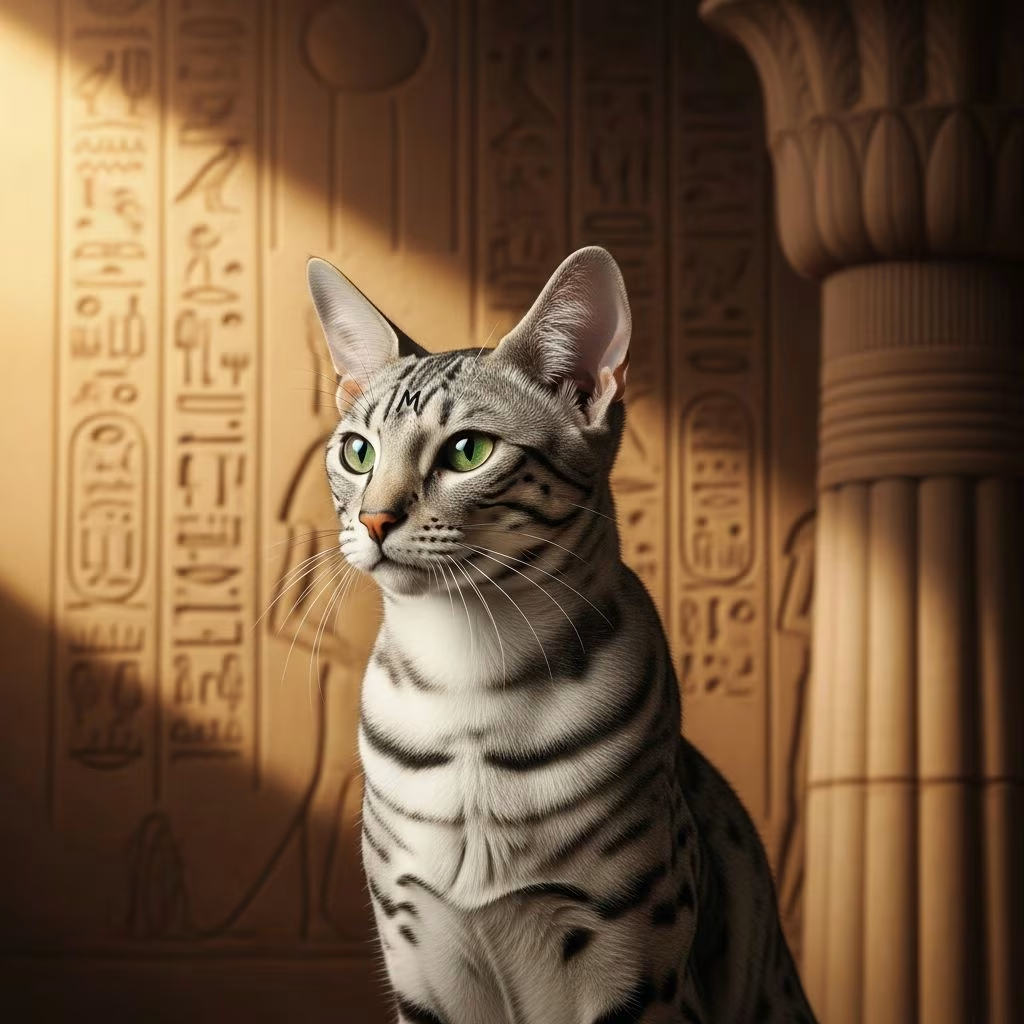
Egypt holds a pivotal place in feline history, where cats transitioned from wild predators to revered companions around 1500 BCE. Descended from African wildcats (Felis silvestris lybica), these animals protected granaries from pests and earned divine status through associations with goddess Bastet. Today, several breeds trace their roots to this cradle of domestication, blending exotic appearances with engaging personalities. This guide examines six standout Egyptian-influenced breeds, highlighting their origins, physical features, behaviors, and practical ownership advice.
The Dawn of Domestication: Egypt’s Feline Legacy
Archaeological evidence, including temple art from 1950 BCE, depicts cats as integral to Egyptian society. Mummified felines adorned with jewelry underscore their sacred role. Genetic studies confirm that all domestic cats share ancestry with North African wildcats, with Egypt catalyzing widespread popularity. While few breeds remain purely Egyptian, selective breeding has preserved traits like spotting, athleticism, and alertness in modern lines.
1. Egyptian Mau: The Quintessential Spotted Athlete
The Egyptian Mau stands as the most direct descendant of ancient temple cats, featured in artworks predating 1550 BCE. The name “Mau” echoes the Egyptian word for cat, mimicking a meow. Post-World War II, Russian Princess Nathalie Troubetskoi revived the breed in Europe and the U.S., importing foundation cats like Baba.
Physical Traits
- Size: Medium, 8-12 inches tall, 6-14 pounds
- Coat: Short, naturally spotted in silver, bronze, or smoke; distinctive “M” on forehead
- Unique Features: Gooseberry green eyes, longer hind legs for speed (up to 30 mph), skin flap for agility
Temperament and Lifestyle Fit
Maus bond deeply with one person, displaying loyalty, playfulness, and intelligence. They thrive in active homes, excelling at fetch and climbing, but may be reserved with strangers. Early socialization aids compatibility with children and pets.
Care Essentials
Groom weekly to maintain their glossy coat. Provide puzzle toys and vertical spaces to channel their energy. They are vocal yet melodic, alerting owners to their needs.
2. Chausie: Jungle Cat Hybrid with Regal Poise
Drawing from the Nile Delta’s jungle cat (Felis chaus), the Chausie emerged from ancient Egyptian domestication efforts. Mummified jungle cats in temples highlight their prized status, often linked to Bastet’s statues for their slender builds and large ears.
Physical Traits
| Attribute | Details |
|---|---|
| Height | 14-18 inches |
| Weight | 15-25 pounds |
| Coat | Short, ticked or marbled in brown, silver, or black |
| Eyes | Hazel to yellow, expressive |
Temperament and Lifestyle Fit
Chausies are bold explorers, curious and social, demanding interaction. Their hunting prowess suits experienced owners; they bond strongly with families but may challenge timid pets.
Care Essentials
High-protein diets fuel their activity. Brush bi-weekly and ensure ample scratching posts. They adapt to apartments if exercised daily.
3. Savannah: Serval Cross with Wild Elegance
Though hybridized in modern times, Savannahs evoke Egyptian servals, traded as luxuries during Tutankhamun’s era. Crossing domestic cats with servals yields long-legged, spotted wonders reminiscent of ancient depictions.
Physical Traits
- Size: Large; F1 generations up to 25 pounds
- Coat: Short, bold spots on tawny or silver backgrounds
- Unique Features: Oversized ears, water-loving nature
Temperament and Lifestyle Fit
Dog-like in affection, Savannahs greet owners and learn tricks. Their high energy demands space; avoid small prey households due to instincts.
Care Essentials
Leash training enhances outdoor fun. Interactive toys prevent boredom; monitor diet for lean muscle maintenance.
4. Abyssinian: Graceful Echo of Wild Ancestors
Abyssinians mirror the African wildcat, likely originating in the Nile Valley. Developed in Britain from imported stock, they embody ancient Egyptian elegance with ticked coats and lithe forms.
Physical Traits
| Attribute | Details |
|---|---|
| Height | 8-10 inches |
| Weight | 6-10 pounds |
| Coat | Short, ruddy or blue ticked patterns |
| Eyes | Almond-shaped, gold or green |
Temperament and Lifestyle Fit
Curious and playful, Abyssinians crave involvement in daily life. Ideal for interactive owners, they get along with calm pets.
Care Essentials
Minimal grooming; focus on enrichment like cat trees. They vocalize softly when seeking attention.
5. Shirazi: Street-Savvy Persian-Mau Blend
Common on Egyptian streets, Shirazis blend Mau athleticism with Persian luxury, possibly from Persian Empire influences. Unregistered but widespread, they roam feral populations.
Physical Traits
- Size: Medium, fluffy semi-longhair
- Coat: Spotted patterns in varied colors
- Unique Features: Calmer demeanor than pure Maus
Temperament and Lifestyle Fit
Laid-back yet mischievous, they suit relaxed homes. Socialize early for multi-pet harmony.
Care Essentials
Daily brushing prevents mats. They enjoy gentle play and lap time.
6. Nile Valley Egyptian Cat: Feral Heritage Preserved
This experimental breed, recognized by The International Cat Association, hails from Egyptian ferals akin to Maus. Rescue efforts by groups like the Nile Valley Egyptian Foundation safeguard their lineage.
Physical Traits
| Attribute | Details |
|---|---|
| Height | 8-10 inches |
| Weight | 7-9 pounds |
| Coat | Short, silver/bronze/smoke/black |
| Lifespan | 13-15 years |
Temperament and Lifestyle Fit
Dog-like loyalty, territorial yet child-friendly when raised together. They shadow owners devotedly.
Care Essentials
Mental stimulation via toys; regular grooming. Territorial instincts require secure spaces.
Health Considerations Across Egyptian Breeds
These breeds generally enjoy 12-15 year lifespans but watch for hypertrophic cardiomyopathy in Maus and hybrids, dental issues in longhairs, and obesity in less active lines. Annual vet checks, balanced nutrition, and dental care promote longevity. Genetic testing aids hybrid breeds like Savannahs and Chausies.
Bringing an Egyptian Breed Home: Adoption Tips
- Research breeders via CFA or TICA registries for ethical sourcing.
- Prioritize rescues for ferals like Nile Valley or Shirazi mixes.
- Prepare for high energy: invest in wand toys, towers, and harnesses.
- Budget for premium food and vet care, especially for hybrids.
FAQs
What is the most authentic Egyptian cat breed?
The Egyptian Mau, depicted in ancient art and directly linked to temple cats.
Are Egyptian cats good with children?
Many, like Nile Valley and Abyssinians, excel with kids if socialized early.
Do these breeds require special diets?
High-protein for athletes like Chausies and Savannahs; monitor portions.
Can Egyptian breeds live in apartments?
Yes, with enrichment; vertical space suits their climbing nature.
What’s the origin story of all domestic cats?
Traced to Egyptian domestication of African wildcats around 1500 BCE.
References
- Top 6 Egyptian Cat Breeds: History, Personality, and Characteristics — WoPet. 2023. https://wopet.com/cats/egyptian-cat-breeds/
- 8 Majestic Egyptian Cat Breeds (Pictures Included) — Cats.com. 2024. https://cats.com/egyptian-cat-breeds
- 6 Egyptian Cat Breeds: Info, Pictures, Facts & History — Catster. 2024. https://www.catster.com/cat-breeds/egyptian-cat-breeds/
- Egyptian Mau Cat: Facts, Personality, & Breed Guide — Litter-Robot. 2023. https://www.litter-robot.com/blog/egyptian-mau/
- Egyptian Mau — Wikipedia (informational, primary refs used). 2024. https://en.wikipedia.org/wiki/Egyptian_Mau
- Egyptian Mau — Cat Fanciers’ Association (official breed std.). N/A. https://cfa.org/breed/egyptian-mau/
- How Ancient Egyptians Shaped the Modern Cat — PBS LearningMedia (edu source). 2023. https://www.pbslearningmedia.org/resource/nvct-sci-egyptmoderncat/how-ancient-egyptians-shaped-the-modern-cat-cat-tales/



