Eggs for Pet Birds: Benefits and Guidelines
Discover how eggs can boost your pet bird's health with protein, vitamins, and minerals when fed safely and in moderation.
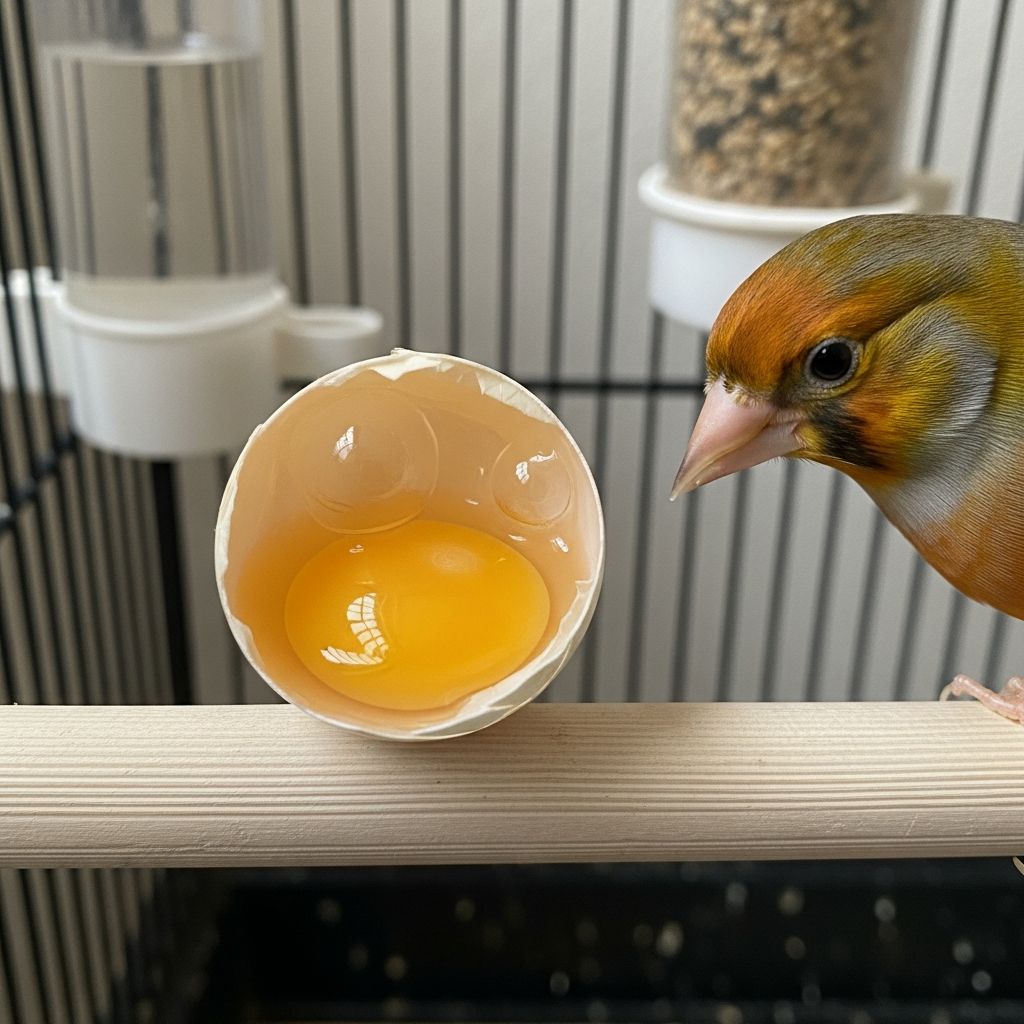
Pet bird owners often seek ways to enhance their feathered friends’ diets with natural, nutrient-dense foods. Eggs stand out as a versatile option, providing high-quality protein and vital micronutrients that support growth, feather quality, and overall vitality. When prepared correctly and offered sparingly, eggs can complement a balanced avian diet effectively.
Why Eggs Matter in Avian Nutrition
In the wild, birds forage for insects and small prey, which deliver concentrated protein similar to what eggs offer in captivity. This natural parallel makes eggs an appealing supplement for domesticated species like parrots, finches, cockatiels, and budgies. Domestic birds, especially those breeding or molting, benefit from the amino acids and fats eggs supply, mimicking wild nutritional patterns.
Eggs contribute to muscle maintenance, immune function, and energy levels. For instance, growing chicks require rapid tissue development, where egg protein accelerates progress without overwhelming digestion. Similarly, adult birds facing stress or recovery periods gain from these boosts.
Key Nutritional Components of Eggs
Eggs pack a powerhouse of nutrients tailored to bird physiology. Here’s a breakdown:
- Protein: Complete with all essential amino acids birds cannot synthesize, aiding feather formation, muscle repair, and neurotransmitter production for brain health.
- Vitamins: A for vision and immunity; D for calcium absorption and bone strength; E for antioxidant protection; B-complex for metabolism and energy.
- Minerals: Selenium for thyroid function; phosphorus and iron for blood health; calcium from shells for skeletal integrity.
- Healthy Fats: Omega-3s support feather sheen and sustained energy, particularly from high-quality sources.
Research highlights eggs as one of few natural vitamin D sources, crucial for indoor birds lacking sunlight exposure. Two eggs can fulfill significant daily needs for most vitamins except C, which birds produce internally.
| Nutrient | Benefit for Birds | Source Concentration |
|---|---|---|
| Protein | Muscle & feather growth | High (complete profile) |
| Vitamin D | Bone health, calcium uptake | Significant natural source |
| Calcium | Eggshell strength, nerves | Abundant in shells |
| Omega-3 Fats | Feather condition, inflammation reduction | Elevated in free-range |
Safe Preparation Methods
Raw eggs pose serious dangers due to bacteria like salmonella, which thrive in uncooked yolks and whites. Always hard-boil eggs fully: submerge in boiling water for 10-12 minutes, cool, and peel. Scramble without oil or butter for a plain version, ensuring even cooking.
Eggshells, rinsed and boiled, provide calcium. Crush into gravel-sized pieces to prevent choking. Discard uneaten portions within 12 hours to avoid spoilage in warm cage environments.
Recommended Feeding Frequency and Portions
Treat eggs as an occasional addition, not daily fare, to prevent fat overload or kidney strain. Frequency: 1-2 times weekly for most birds.
- Small birds (finches, budgies): 1 teaspoon scrambled or chopped.
- Medium birds (cockatiels, conures): 1 tablespoon.
- Large birds (macaws, cockatoos): 1-2 tablespoons.
Adjust based on activity, breeding status, or health. Breeding hens deplete calcium rapidly; feeding their own boiled eggs recycles nutrients efficiently. Monitor droppings and weight; diarrhea signals overfeeding.
Special Considerations for Breeding and Chicks
During breeding, both parents and offspring thrive on egg supplements. Chicks experience explosive growth, demanding protein for tissues and feathers. Parents need it for egg production and lactation-like feeding.
For laying hens, calcium from shells prevents soft eggs and supports heart/nerve function. Vitamin D enhances absorption, vital for caged birds. Some owners mash D3 supplements into eggs for optimal results.
Potential Drawbacks and How to Mitigate Them
Despite benefits, excesses harm. High fat risks obesity and fatty liver disease. Protein surplus burdens kidneys, especially in sedentary birds. Introduce gradually, watching for allergies or intolerance.
Free-range eggs may offer superior profiles—higher omega-3s, vitamins A/E, and beta-carotene from hens’ insect-rich diets—but ensure freshness regardless of source.
Integrating Eggs into a Balanced Diet
Eggs enhance, not replace, core pellets or seeds (70-80% diet). Pair with veggies, fruits, and sprouts for fiber and variety. Consult avian vets for tailored plans, particularly for species like African Greys prone to calcium deficiency.
Frequently Asked Questions
Can all pet birds eat eggs?
Most can, but consult a vet for species-specific advice. Avoid in birds with fat metabolism issues.
Are eggshells safe?
Yes, if boiled and crushed. They deliver bioavailable calcium without supplements.
What if my bird refuses eggs?
Don’t force; try mixing with favorites or different preps. Preferences vary.
Raw vs. cooked: which is better?
Cooked only—raw risks severe infection.
How do free-range eggs compare?
They boast more nutrients like omega-3s and vitamin D from diverse hen forage.
Expert Tips for Success
- Observe behavior post-feeding for acceptance and tolerance.
- Vary textures: chopped, mashed, or baked into treats.
- Store prepared eggs refrigerated; use within 48 hours.
- Combine with greens for complete meals.
Incorporating eggs thoughtfully elevates pet bird wellness, fostering vibrant plumage and robust health. Always prioritize veterinary guidance for personalized care.
References
- Are Eggs Nutritious for My Pet Bird? — Dial A Vet. 2023. https://www.dialavet.com/blog/are-eggs-nutritious-for-my-pet-bird
- Can Parrots Eat Boiled Eggs? — Parrot Essentials. 2024. https://parrotessentials.co.uk/blog/can-parrots-eat-boiled-eggs
- Egg Nutrition Facts — Purina Animal Nutrition. 2023. https://www.purinamills.com/chicken-feed/education/detail/egg-nutritional-facts
- Nutritional Aspects of Eggs for a Healthy and Sustainable Diet — National Center for Biotechnology Information (PMC). 2024. https://pmc.ncbi.nlm.nih.gov/articles/PMC12411868/
- Why Egg Food Is Important In Your Pet Birds Diet? — YouTube (Lucas Ferraz). 2025-10-14. https://www.youtube.com/watch?v=pBeUpUsYclM
Similar Articles







Read full bio of Sneha Tete