

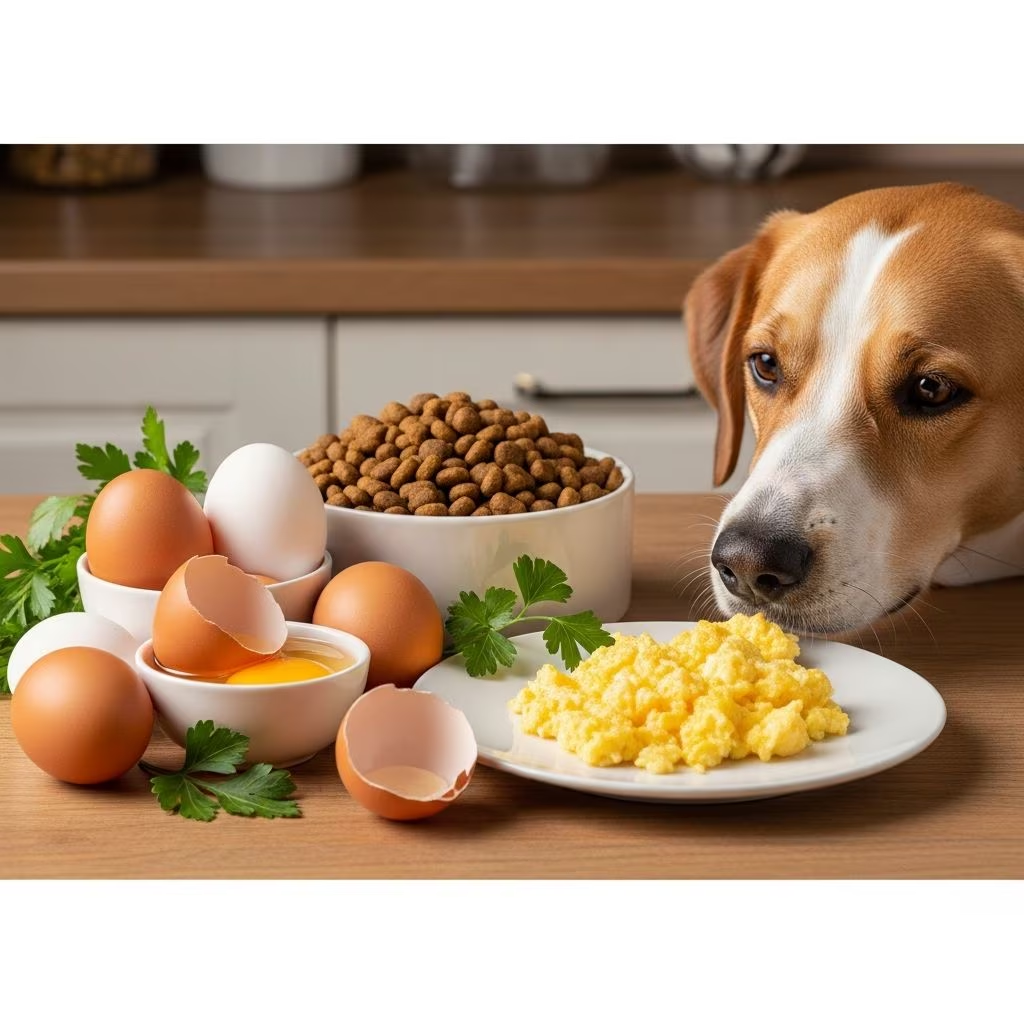
Eggs are one of nature’s most nutrient-dense foods, and many dog owners wonder whether these versatile protein sources can become part of their pet’s diet. The short answer is yes—dogs can safely consume eggs when prepared appropriately. However, like any food introduction, there are specific guidelines to follow to ensure your canine companion receives the maximum benefits while minimizing potential risks.
Understanding Canine Egg Consumption
The ability of dogs to digest and benefit from eggs depends almost entirely on how the eggs are prepared. Cooked eggs represent a safe, nutrient-rich addition to a dog’s diet, whereas raw eggs carry significant health risks that make them unsuitable for consumption by your pet. This distinction is crucial for pet owners considering eggs as part of their dog’s regular food intake or occasional treats.
Dogs have evolved alongside humans for thousands of years, and while their digestive systems can process a wide variety of foods, they still maintain certain vulnerabilities that differ from human physiology. Understanding these differences allows us to make informed decisions about which foods enhance our dogs’ health and which ones pose unnecessary dangers.
The Case Against Raw Eggs
Raw eggs present several interconnected health concerns that veterinarians consistently warn against. The primary risk involves bacterial contamination, particularly from Salmonella and E. coli, pathogens that can thrive in uncooked eggs even when they appear perfectly fresh. These bacteria don’t just affect your dog—they can also transmit to human family members through direct contact or indirect exposure, creating a household-wide health risk.
Beyond bacterial concerns, raw egg whites contain a naturally occurring protein called avidin that actively interferes with biotin absorption in your dog’s digestive system. Biotin, also known as vitamin B7, plays essential roles in maintaining healthy skin and coat condition, supporting proper metabolism, enabling cellular regeneration, and facilitating efficient digestion. Prolonged consumption of raw eggs can lead to biotin deficiency, which manifests as skin problems, coat deterioration, and digestive complications.
Additionally, raw eggs can trigger acute gastrointestinal distress in dogs, resulting in vomiting and diarrhea that may persist until the contaminated food passes through their system. Given these multiple risks, most veterinary professionals recommend avoiding raw eggs entirely, as the potential dangers significantly outweigh any nutritional advantages.
Benefits of Cooked Eggs for Dogs
When properly cooked, eggs transform into a nutritional powerhouse for canine health. The cooking process neutralizes avidin, allowing biotin to be properly absorbed by your dog’s body, while simultaneously eliminating bacterial threats that compromise digestive health.
Cooked eggs provide several categories of beneficial nutrients:
- Protein content: Eggs contain high-quality, digestible protein essential for muscle development, maintenance, and repair, making them particularly valuable for active breeds, working dogs, and aging canines.
- Vitamin A: Supports vision clarity, skin health, and immune system function.
- Vitamin D: Facilitates calcium absorption and contributes to bone strength and density.
- B vitamins: Including B12 and riboflavin, these nutrients power metabolic processes and provide cellular energy while supporting brain function and nervous system health.
- Essential minerals: Iron and selenium play vital roles in immune competency and overall physiological balance.
- Healthy fats: The fatty acids present in eggs promote skin vitality, coat glossiness, and cellular health.
These combined nutrients make eggs an excellent supplementary food for dogs recovering from illness, experiencing appetite loss, or dealing with dental sensitivity that makes harder foods uncomfortable to consume.
Preparation Methods That Ensure Safety
The method you choose for preparing eggs significantly impacts their safety and nutritional value. Several cooking approaches work well for canine consumption:
Boiled Eggs
Hard-boiling eggs represents perhaps the simplest and safest preparation method. Simply place eggs in water, bring to a boil, and cook for approximately 10-12 minutes until fully hardened. You can serve these whole or chopped, and some dogs find the firm texture particularly satisfying. The shell can technically be included if it’s been thoroughly crushed, though most dogs prefer it removed.
Scrambled Eggs
Plain scrambled eggs offer an appealing texture that many dogs find irresistible. Scramble eggs in a pan without adding milk, butter, oil, or any seasonings—cooking them plain ensures your dog receives only the nutritional benefits without unnecessary fats or additives. The soft consistency makes scrambled eggs particularly suitable for senior dogs, puppies with developing digestive systems, or dogs experiencing temporary gastrointestinal upset.
Critical Preparation Rules
Regardless of your chosen cooking method, several rules remain non-negotiable:
- Never add salt, garlic, onions, or any human seasonings that can be toxic to dogs
- Avoid cooking eggs in butter, oil, or other fats that increase caloric content unnecessarily
- Do not add milk or cream products, as many dogs experience difficulty digesting dairy
- Allow eggs to cool to room temperature before serving to prevent mouth burns
- Remove eggshells unless they’ve been carefully crushed, as sharp shell fragments can cause throat injury
Portion Control and Frequency
Eggs are calorie-dense foods due to their fat content, which means that overfeeding can quickly contribute to excess weight gain and associated health problems. Veterinarians recommend limiting treats, including eggs, to no more than 10% of your dog’s total daily caloric intake.
General guidelines suggest that most adult dogs can safely consume one to two eggs per week as treats or dietary supplements. For smaller breeds, a portion might consist of a single egg or even a portion of an egg, while larger breeds may tolerate up to two complete eggs. Puppies require more cautious introduction, starting with small amounts of cooked egg mixed into their regular puppy food to assess tolerance.
Always consult your veterinarian regarding appropriate portion sizes for your specific dog, as individual needs vary based on age, activity level, current weight, and overall health status.
Special Dietary Considerations
While eggs benefit most healthy dogs, certain medical conditions warrant caution or complete avoidance:
| Health Condition | Consideration |
|---|---|
| Pancreatitis | Eggs are high in fat, which can trigger pancreatitis flare-ups in susceptible dogs. Avoid entirely without veterinary approval. |
| Chronic Kidney Disease | Dogs requiring reduced-protein diets for kidney management should avoid eggs due to their protein concentration. |
| Egg Allergies/Sensitivities | Some dogs develop allergic reactions or digestive sensitivities to eggs. Introduce slowly and monitor for adverse responses. |
| Obesity or Weight Management | The fat content in eggs can hinder weight loss efforts. Discuss portion sizes with your veterinarian. |
| Diabetes | High-fat foods like eggs may complicate blood sugar management in diabetic dogs. |
Conversely, certain dogs derive particular benefits from egg consumption:
- Active and working breeds: Their elevated protein requirements make eggs an excellent nutritional source.
- Puppies: Growing dogs benefit from eggs’ protein and nutrient density, supporting proper development.
- Nursing mothers: The nutritional demands of lactation make eggs valuable additions to nursing dogs’ diets.
- Senior dogs: Aging canines benefit from easily digestible protein sources that support muscle maintenance.
Recognizing Allergic Reactions and Food Sensitivities
Although egg allergies in dogs are relatively uncommon, they do occur. When introducing eggs to your dog’s diet for the first time, follow a cautious approach by offering a single egg and observing your dog closely for 24 hours.
Mild allergic responses might include:
- Upset stomach or digestive discomfort
- Mild diarrhea or loose stools
- Vomiting
- Itching or scratching at skin
- Ear inflammation or infection
Severe allergic reactions, though rare, represent medical emergencies requiring immediate veterinary attention. Seek emergency care if your dog exhibits:
- Difficulty breathing or wheezing
- Rapid or weak pulse
- Pale or blue-tinged gums
- Loss of consciousness
- Seizure activity
If mild symptoms develop, discontinue egg feeding and consult your veterinarian before attempting reintroduction.
Exploring Alternative Egg Sources
While chicken eggs are most common, other poultry eggs can also benefit dogs nutritionally. Duck eggs and quail eggs contain similarly beneficial nutrients and can be prepared using the same guidelines as chicken eggs—cooked plainly without seasonings. These alternatives may appeal to dogs with mild chicken sensitivities or simply provide dietary variety.
However, avoid prepared egg dishes entirely, including pickled eggs, deviled eggs, omelets with additions, or any eggs prepared with vinegar, spices, or flavorings. These modifications make eggs unsuitable for canine consumption and can cause digestive upset.
Frequently Asked Questions About Dogs and Eggs
Can puppies safely eat eggs?
Yes, puppies can eat cooked eggs in moderation as part of a balanced, puppies-specific diet. Always cook eggs thoroughly and introduce them gradually to monitor digestive tolerance.
What about eggshells—are they safe?
While eggshells do contain calcium and other minerals, they’re not an ideal calcium source for dogs since these same nutrients appear in the egg white and yolk. Additionally, improperly crushed eggshells can create sharp fragments that pose choking hazards and may injure your dog’s throat.
Can eggs cause gas in dogs?
Excessive egg consumption can cause intestinal gas in some dogs due to the fat content and enzyme components in the eggs themselves. This typically resolves by reducing portion sizes.
Should I use fresh versus older eggs?
Always use eggs within their sell-by date and stored properly in refrigeration. Spoiled or outdated eggs carry increased bacterial contamination risks that can make your dog seriously ill.
Can dogs with diabetes eat eggs?
Dogs with diabetes benefit from controlled fat intake, making eggs less ideal without veterinary consultation. Discuss egg feeding with your veterinarian in the context of your dog’s specific diabetes management plan.
Creating a Balanced Approach to Egg Feeding
Incorporating eggs into your dog’s diet should enhance their overall nutritional intake without becoming a primary caloric source or replacing complete commercial dog foods. Think of eggs as an occasional treat or nutritional supplement rather than a dietary staple.
The most important principle involves moderation combined with proper preparation. By following these guidelines—cooking eggs thoroughly, avoiding seasonings and added fats, monitoring portion sizes, and watching for adverse reactions—you can safely provide your dog with a nutritious food that most canines find genuinely delicious.
Remember that every dog possesses unique nutritional needs based on age, activity level, health status, and individual sensitivities. Before making significant dietary changes, including regular egg feeding, consult with your veterinarian to ensure the plan aligns with your specific dog’s health requirements and dietary goals.
References
- Can Dogs Eat Eggs — Portland Pet Food Company. Accessed February 2026. https://portlandpetfoodcompany.com/blogs/education/can-dogs-eat-eggs
- Can Dogs Eat Eggs? — Wisdom Panel. Accessed February 2026. https://www.wisdompanel.com/en-us/blog/can-dogs-eat-eggs
- Can Dogs Eat Eggs? — WebMD Pets. Accessed February 2026. https://www.webmd.com/pets/dogs/can-dogs-eat-eggs
- Can Dogs Eat Eggs? — Pooch and Mutt. Accessed February 2026. https://www.poochandmutt.co.uk/blogs/can-dogs-eat/eggs
- Can Dogs Eat Eggs? — Chewy. Accessed February 2026. https://www.chewy.com/education/dog/food-and-nutrition/can-dogs-eat-eggs
- Can Dogs Eat Eggs? And Are Eggs Good for Dogs? — TotalVet. Accessed February 2026. https://total.vet/can-dogs-eat-eggs/



