

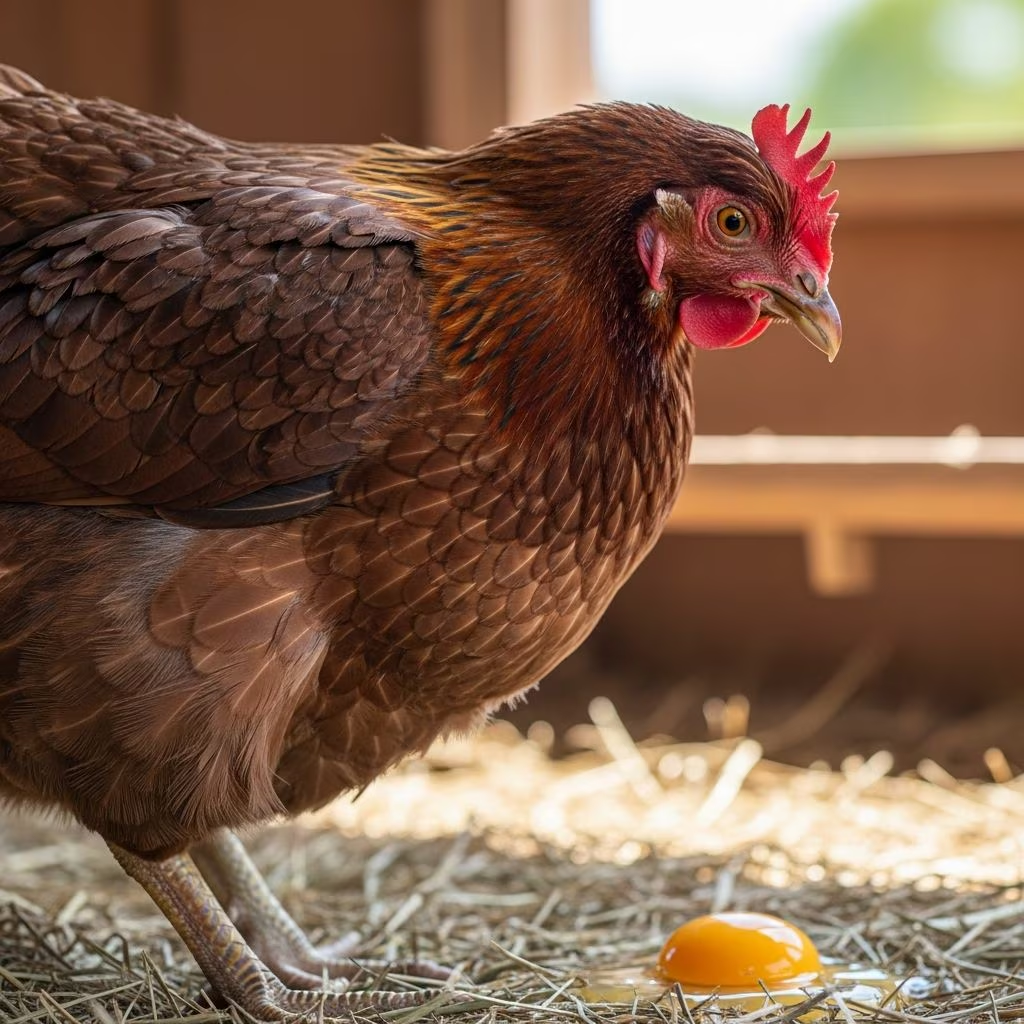
Understanding Egg Yolk Peritonitis in Backyard Chickens
Egg yolk peritonitis (EYP) is a serious reproductive condition that affects laying hens in backyard flocks. This condition occurs when egg yolk material enters the coelomic cavity—the body cavity containing the internal organs—instead of following the normal pathway through the reproductive tract. When yolk enters the body cavity, it causes significant inflammation of the peritoneum, the thin tissue layer that lines the coelom and surrounding internal organs. This inflammatory response typically leads to fluid accumulation within the coelomic cavity, creating a painful and potentially life-threatening situation for affected birds.
The Normal Egg-Laying Process
To understand egg yolk peritonitis, it helps to know how normal egg production works in hens. In healthy birds, a developing egg begins in the hen’s single ovary, typically located on the left side of the body. The egg yolk then passes into the oviduct, also called the salpinx, which is a single tube-like structure. As the egg moves through this reproductive tract, the albumen (egg white) and shell are added. Finally, the fully formed egg exits the body through the vent as a completely shelled egg.
This intricate process requires proper function of all reproductive components. When problems arise—such as inflammation, infection, or blockage of the oviduct—the normal pathway is disrupted, and yolk material can spill into the coelomic cavity instead of being properly contained and expelled.
How to Recognize Egg Yolk Peritonitis in Your Flock
Early recognition of egg yolk peritonitis is crucial for successful treatment. Backyard chicken keepers should monitor their flocks closely for changes in behavior and egg production patterns.
Changes in Egg Production
One of the most obvious signs of egg yolk peritonitis is a dramatic change in egg-laying patterns. Affected hens will typically stop laying eggs entirely, or if they continue to lay, the eggs will have significant abnormalities:
– Soft-shelled eggs- Thin-shelled eggs- Misshapen or deformed eggs- Abnormally textured shells
Behavioral and Physical Symptoms
Beyond egg production changes, hens with egg yolk peritonitis display distinctive behavioral and physical symptoms that indicate illness:
– Reduced activity levels and lethargy- Preference for sitting in the nest box rather than moving around the coop- Decreased appetite and reduced food intake- Visibly distended or swollen abdomen caused by fluid accumulation in the body cavity- Difficulty breathing due to fluid pressing on the respiratory tract- Weight loss and general malaise- Fluffed feathers indicating discomfort- Yellow-orange colored droppings- Wide-based stance or difficulty moving- Lack of vocalization- Signs of pain or discomfort
The severity of these symptoms depends on how much yolk material has entered the coelomic cavity and whether a secondary bacterial infection has developed. Hens with mild cases may show fewer symptoms, while those with advanced peritonitis may display multiple serious signs.
Causes and Risk Factors
Egg yolk peritonitis can develop due to several underlying causes. Understanding these risk factors helps backyard keepers prevent the condition when possible:
– Oviduct inflammation or swelling- Oviduct obstruction or blockage- Infection within the reproductive tract- Trauma to the reproductive organs- Excessive egg production, particularly in young or over-productive birds- Poor nutrition affecting reproductive health- Obesity putting pressure on reproductive organs- Genetic predisposition in certain breeds- Secondary bacterial infections following other illnesses
Common bacteria associated with egg yolk peritonitis include E. coli, Klebsiella, Proteus, Staphylococcus, and Streptococcus species. These bacteria may be present in the normal environment or may colonize the reproductive tract when defenses are compromised.
Diagnostic Approach
If you suspect your hen has egg yolk peritonitis, a veterinary consultation is essential. Avian veterinarians will perform a physical examination and may use additional diagnostic tools to confirm the diagnosis. The examination typically includes palpation of the abdomen to assess for fluid accumulation and distention. Radiographs (X-rays) can help visualize the severity of the condition, and in some cases, ultrasound may be used to evaluate the reproductive organs and fluid levels within the coelomic cavity.
Your veterinarian will also assess whether a secondary bacterial infection is present, as this significantly influences treatment decisions. Blood work may be performed to evaluate the hen’s overall health status and ability to tolerate treatment.
Treatment Options for Egg Yolk Peritonitis
The treatment approach for egg yolk peritonitis varies depending on disease severity, the presence of secondary infection, and the hen’s overall health status.
Mild Cases: Supportive Care
Hens with mild egg yolk peritonitis that show no secondary bacterial infection or underlying reproductive disease may require only supportive care measures. These conservative treatment approaches focus on helping the hen recover naturally while minimizing discomfort:
– Separation from the flock to reduce stress and allow close monitoring- Placement in a safe, comfortable, warm location resembling a “chicken intensive care unit”- Easy access to fresh water and nutritious food- Supplemental hand-feeding if appetite is reduced- Anti-inflammatory medications to reduce pain and swelling- Stress reduction through quiet, calm environments- Warmth to support overall health
Advanced Cases: Aggressive Intervention
More serious cases of egg yolk peritonitis, particularly those involving secondary bacterial infection or significant fluid accumulation, require more aggressive treatment interventions:
Antibiotic Therapy
Veterinarians typically prescribe broad-spectrum antibiotics to combat secondary bacterial infections. These may be administered orally or through injection, depending on the hen’s condition and ability to eat. Common antibiotics used include Baytril, Sulfonamides, Oxytetracycline, and Gentamicin. Antibiotic treatment helps control infection but cannot resolve the underlying yolk accumulation by itself.
Fluid Management
Advanced cases often involve significant fluid accumulation within the coelomic cavity, requiring professional fluid management:
– Subcutaneous fluid injection (fluids given under the skin) to maintain hydration- Intravenous fluid administration for severely compromised birds- Abdominocentesis: the removal of excessive coelomic fluid to relieve pressure on internal organs- Diuretic medications such as Furosemide to help reduce fluid buildup
Oxygen and Respiratory Support
Hens with severe abdominal distention may experience respiratory distress. Oxygen therapy helps support breathing by increasing oxygen availability, allowing the bird to breathe easier while coping with fluid pressure on the respiratory tract.
Surgical Intervention
In the most severe cases, surgical treatment may be necessary. Surgical options include:
– Removal of accumulated yolk material and infected tissue- Salpingohysterectomy: complete removal of the problematic ovary (usually the left one) and associated reproductive tissue- This surgical intervention effectively “spays” the hen, preventing future egg production but eliminating the underlying cause
Hormone Therapy
Many avian veterinarians treating egg yolk peritonitis also administer hormonal therapy to temporarily halt egg production. This treatment approach uses gonadotropin-releasing hormone agonists, administered either as injections or as slow-release implants placed under the skin. These medications include leuprolide acetate injections or deslorelin implants. By preventing further egg laying, hormone therapy allows the hen’s compromised reproductive system to rest and heal without the stress of producing additional eggs.
Prognosis and Recovery
The prognosis for egg yolk peritonitis depends on several factors, including the severity of the condition, the presence of secondary infection, how quickly treatment is initiated, and the bird’s overall health status. With prompt and proper veterinary treatment, some hens can recover successfully, though recovery may be gradual. Early detection and intervention significantly improve outcomes.
Unfortunately, some cases prove difficult to treat, particularly if the condition is advanced or if the hen is severely systemically ill by the time veterinary care is sought. However, with modern veterinary techniques and comprehensive supportive care, many backyard chickens with egg yolk peritonitis survive and return to quality lives, even if they never resume normal egg laying.
Supporting Your Hen During Treatment
Whether your hen receives medical treatment from an avian veterinarian or you are managing mild cases at home, several supportive measures enhance recovery chances:
– Maintain a quiet, stress-free environment- Provide easily digestible, nutritious foods- Ensure constant access to fresh, clean water- Keep the hen warm and protected from drafts- Monitor closely for changes in condition- Follow all veterinary instructions precisely- Practice good hygiene to prevent secondary infections- Limit handling to necessary care and monitoring
Prevention Strategies for Backyard Flocks
While not all cases of egg yolk peritonitis can be prevented, backyard keepers can implement management practices to reduce risk:
– Maintain proper nutrition with balanced layer feeds containing adequate calcium, protein, and vitamins- Prevent obesity through appropriate feeding and exercise opportunities- Provide clean water at all times- Maintain good coop hygiene to reduce disease transmission- Minimize stress through proper housing and flock management- Monitor individual birds regularly for signs of illness- Separate sick birds promptly to prevent disease spread- Avoid overcrowding in coops and runs- Provide appropriate nesting boxes and egg-laying areas- Consider breed selection, as some breeds are prone to reproductive issues- Limit excessive egg production through breeding decisions
Frequently Asked Questions
Q: Can egg yolk peritonitis spread to other chickens in my flock?
A: Egg yolk peritonitis itself is not contagious between birds. However, if secondary bacterial infections are present, those bacteria could potentially spread to other flock members through contaminated environments. This is another reason to isolate affected birds and practice good hygiene.
Q: Is egg yolk peritonitis always fatal?
A: No, egg yolk peritonitis is not always fatal. With proper veterinary treatment and supportive care, some hens recover successfully. Early detection and prompt treatment significantly improve survival rates.
Q: Will my hen ever lay eggs again after treatment?
A: This depends on the treatment provided. Hens receiving medical management may resume some egg production. However, those undergoing surgical removal of the ovary will no longer produce eggs. Your veterinarian can discuss expectations based on your hen’s specific situation.
Q: How much does treatment for egg yolk peritonitis cost?
A: Treatment costs vary widely depending on the severity of the condition, the type of treatment required, and your geographic location. Basic veterinary consultation and supportive care may cost $50-200, while advanced treatments including surgery can cost several hundred dollars.
Q: Can I treat egg yolk peritonitis without a veterinarian?
A: Mild cases may be managed with supportive care at home, including isolation, proper nutrition, warmth, and anti-inflammatory medications available over-the-counter. However, advanced cases with signs of infection require professional veterinary care including antibiotics. Consulting with an avian veterinarian is always recommended.
Q: How long does recovery take?
A: Recovery time varies depending on disease severity and treatment type. Mild cases managed with supportive care may show improvement within 1-2 weeks. More severe cases requiring hospitalization or surgery may take several weeks to months for full recovery.
Q: What should I feed a hen recovering from egg yolk peritonitis?
A: Feed high-quality, easily digestible foods including specialized layer pellets, cooked grains, scrambled eggs, and protein-rich treats. Provide fresh greens and ensure constant access to clean water. Your veterinarian may recommend specific dietary modifications based on your hen’s condition.
References
- Egg Yolk Peritonitis in Backyard Chickens — VCA Animal Hospitals. 2025. https://vcahospitals.com/know-your-pet/egg-yolk-peritonitis-in-backyard-chickens
- Egg Peritonitis: Concepts, Prevention and Control Strategies – A Review — Journal of Veterinary Medicine and Research. 2024. https://www.jscimedcentral.com/journal-article-info/Journal-of-Veterinary-Medicine-and-Research/Egg-Peritonitis:-Concepts-Prevention-and-Control-Strategies-A-Review-9753
- Egg Yolk Peritonitis – What is EYP? — Garden Farm Thrive. 2024. https://www.gardenfarmthrive.com/blog/egg-yolk-peritonitis
- What is Egg Yolk Peritonitis? — British Hen Welfare Trust. 2024. https://www.bhwt.org.uk/blog/health-welfare/egg-yolk-peritonitis/
- Egg Yolk Peritonitis in Chickens: Signs, Treatment & Prevention — Poultry DVM. 2025. https://poultrydvm.com/condition/egg-peritonitis



