
Egg Peritonitis In Poultry: Signs, Treatment, Prevention
Understand the causes, symptoms, diagnosis, and management strategies for egg peritonitis, a critical reproductive disorder affecting laying hens.
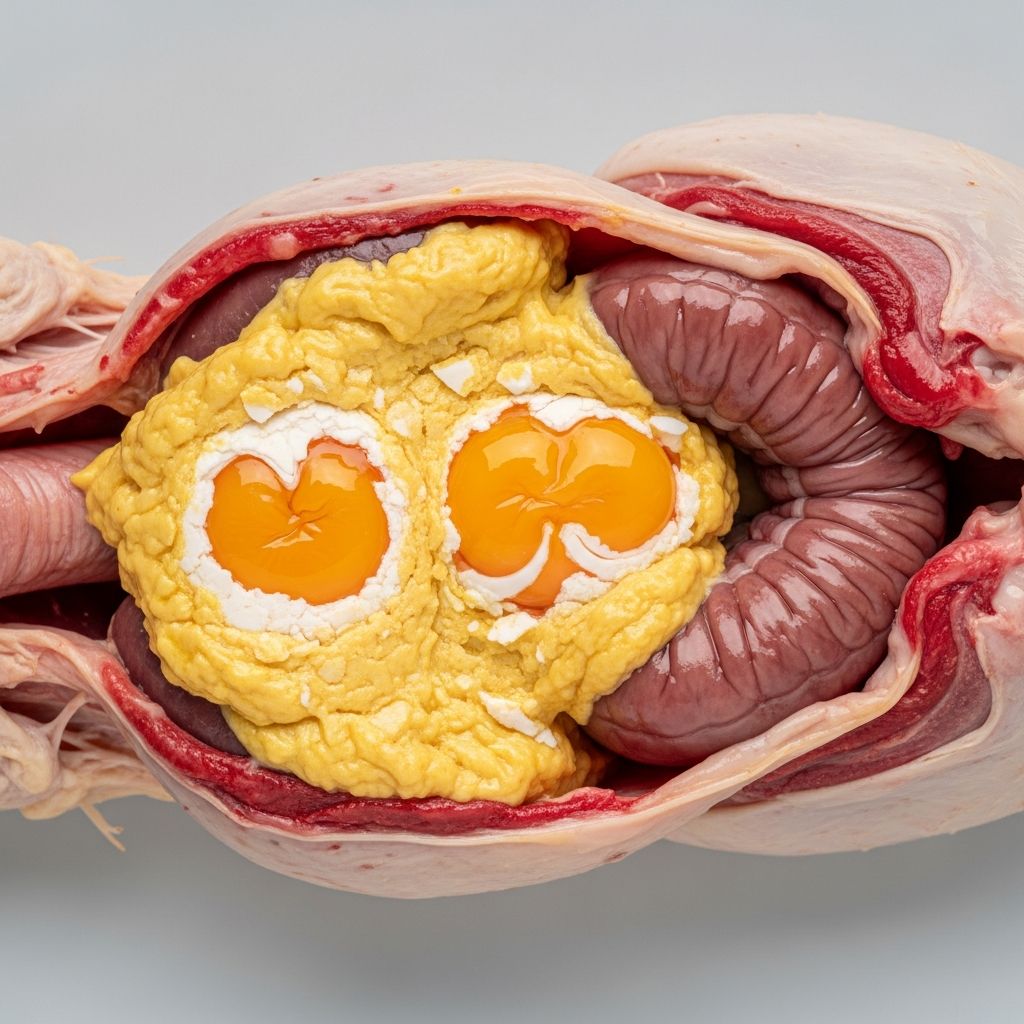
Egg peritonitis, also known as egg yolk peritonitis, is a serious condition in laying hens where egg yolks are released into the abdominal cavity instead of traveling through the oviduct. This leads to inflammation of the peritoneum, the lining of the abdominal cavity, and often secondary bacterial infections that can be life-threatening if not addressed promptly.
The Anatomy of Egg Production and Where It Goes Wrong
In healthy hens, egg production begins in the single functional ovary, typically on the left side. Yolks are ovulated into the infundibulum, the funnel-shaped entrance to the oviduct, where they are captured and progress through the magnum, isthmus, shell gland, and vagina before being laid. When this process fails, yolks drop freely into the coelomic cavity, triggering an inflammatory response as the body attempts to absorb the sterile material.
Initially non-septic, these free yolks provide an ideal nutrient-rich environment for bacteria like Escherichia coli (E. coli), turning the condition septic and causing fluid accumulation, known as ascites. Factors disrupting ovulation include oviduct twists, cysts, tumors, or viral infections such as Marek’s disease or avian leukosis virus, which weaken the reproductive tract.
Recognizing the Signs: Early Detection Saves Lives
Symptoms of egg peritonitis develop gradually but can escalate rapidly. Common indicators include:
- Abdominal distension: A swollen, fluid-filled belly due to ascites, often described as a ‘pot-bellied’ appearance.
- Yolk-colored droppings: Yellow or orange feces from ruptured yolks leaking into the intestines.
- Lethargy and weakness: Hens appear depressed, fluffed up, with a wide-based stance and reluctance to move.
- Reduced appetite and weight loss: Affected birds stop eating, leading to rapid emaciation.
- Respiratory distress: Labored breathing from pressure on the lungs by abdominal fluid.
- Cessation of laying: Sudden drop in egg production, sometimes preceded by soft-shelled or double-yolked eggs.
Other signs include vent swelling, pain on palpation, and in severe cases, sudden death. Owners should monitor flocks daily, as early intervention dramatically improves outcomes.
Underlying Causes and Risk Factors
Egg peritonitis rarely occurs in isolation. Primary causes involve reproductive tract abnormalities:
| Cause | Description | Risk Factors |
|---|---|---|
| Salpingitis | Inflammation of the oviduct, often bacterial | Poor hygiene, ascending infections |
| Oviduct impaction or binding | Blocked oviduct with abnormal eggs | Calcium deficiency, stress |
| Ovarian issues | Cysts, tumors, or EODES (erratic oviposition syndrome) | Genetic predisposition, age |
| Viral diseases | Marek’s, avian leukosis | Immune suppression |
| Nutritional deficits | Low calcium, lysine, methionine | Poor feed quality |
Backyard flocks face higher risks due to inconsistent management, while commercial operations see it linked to over-stimulation of laying via artificial lighting. Obesity and stress exacerbate follicle maturation errors, leading to multiple yolks ovulating simultaneously.
Diagnostic Approaches for Accurate Identification
Diagnosis starts with clinical examination. Veterinarians palpate the abdomen for fluid or masses and note history of laying irregularities. Key diagnostics include:
- Abdominocentesis: Drawing fluid from the abdomen; cloudy, yolk-tinged fluid confirms peritonitis.
- Ultrasound or radiology: Visualizes free yolk, organ compression, or tumors.
- Bloodwork: Checks for infection markers like elevated white cells or dehydration.
- Fecal analysis: Identifies yolk material or bacteria.
Differentiate from egg binding (hard mass feel) or tumors (solid masses). Post-mortem exams in fatalities reveal fibrinous material coating organs. Prompt vet consultation is essential, as delays worsen prognosis.
Treatment Protocols: From Supportive Care to Surgery
Treatment success hinges on severity and timeliness. Mild, non-septic cases may resolve with supportive measures, but septic peritonitis demands aggressive intervention.
Medical Management
- Antibiotics: Broad-spectrum like Baytril (enrofloxacin), gentamicin, or sulfonamides target E. coli. Oral or injectable; however, efficacy is limited in advanced coelomic spread.
- Anti-inflammatories/analgesics: NSAIDs reduce pain and swelling.
- Fluid therapy: Subcutaneous or IV fluids combat dehydration; diuretics like furosemide aid ascites reduction.
- Hormone suppression: Leuprolide acetate injections or deslorelin implants halt ovulation, preventing recurrence.
Surgical Options
In severe cases, salpingohysterectomy (oviduct and ovary removal) is performed after stabilizing the bird. This cures peritonitis but ends laying. Success rates improve with early surgery.
Home Care Tips
Isolate the hen in a warm, stress-free environment with easy-access food/water. Offer electrolytes and probiotics. Monitor weight daily.
Prognosis varies: 50-70% survival in mild cases with treatment, dropping below 20% in septic advanced stages.
Prevention Strategies for Flock Health
Prevention outperforms treatment. Key practices include:
- Nutrition optimization: Balanced layer feed with adequate calcium (3.5-4%), vitamins, and amino acids like lysine/methionine prevents binding.
- Biosecurity: Clean water, dry litter, and rodent control limit bacterial entry.
- Stress reduction: Natural daylight cycles, ample space, and low pecking order conflicts.
- Health monitoring: Regular exams for tumors/fluid; vaccinate against Marek’s.
- Supplements: Flaxseed for omega-3s, anti-inflammatory herbs like turmeric.
Avoid early-life corn-only feeds in chicks, which delay yolk sac absorption and predispose to issues. Cull chronic layers over 2-3 years, as tumors rise with age.
FAQs on Egg Peritonitis in Chickens
Q: Can egg peritonitis resolve without treatment?
A: Occasional free yolks may self-resolve if sterile, but repeated or infected cases require intervention.
Q: Is surgery always necessary?
A: No, medical management suffices for early cases; surgery for refractory or tumor-linked peritonitis.
Q: How do I differentiate from egg binding?
A: Binding causes a hard abdominal mass and straining; peritonitis yields soft swelling and fluid.
Q: What’s the role of diet in prevention?
A: Calcium-rich feeds prevent oviduct issues; deficiencies trigger erratic laying.
Q: Are backyard hens more susceptible?
A: Yes, due to variable care; consistent management in commercial settings reduces incidence.
Long-Term Management and Flock Impact
Surviving hens may resume laying post-hormone therapy but require monitoring for relapse. Flock-wide prevention averts outbreaks, as the condition spreads via fecal contamination. Integrate new birds quarantined and maintain uniformity in body weight to synchronize reproductive health. Economic losses from mortality and lost production underscore vigilance in both hobby and commercial poultry.
Egg peritonitis highlights the fragility of avian reproduction. By understanding its mechanisms and acting swiftly, poultry keepers can safeguard hen welfare and productivity.
References
- Internal Layers and Peritonitis in Laying Hens — Nutrena Animal Feeds. 2023. https://nutrenaworld.com/blog/poultry/laying-issues-internal-layers-and-peritonitis/
- Egg Yolk Peritonitis in Backyard Chickens — VCA Animal Hospitals. 2024. https://vcahospitals.com/know-your-pet/egg-yolk-peritonitis-in-backyard-chickens
- Egg yolk peritonitis in Chickens: Signs, Treatment & Prevention — PoultryDVM. 2024. https://poultrydvm.com/condition/egg-peritonitis
- Egg Yolk Peritonitis: Prevention & Treatment — Hobby Farms. 2023. https://www.hobbyfarms.com/egg-yolk-peritonitis-prevention-and-treatment/
- Egg Peritonitis: Concepts, Prevention and Control Strategies — JSciMed Central (Journal of Veterinary Medicine and Research). 2022-10-15. https://www.jscimedcentral.com/jounal-article-info/Journal-of-Veterinary-Medicine-and-Research/Egg-Peritonitis:-Concepts,–Prevention-and-Control–Strategies–A-Review-9753
- Egg Peritonitis in Poultry — Merck Veterinary Manual. 2024. https://www.merckvetmanual.com/poultry/disorders-of-the-reproductive-system-in-poultry/egg-peritonitis-in-poultry
Similar Articles








Read full bio of medha deb


