
Egg Binding in Poultry: Causes and Solutions
Discover essential insights on identifying, treating, and preventing egg binding in chickens to safeguard flock productivity and well-being.
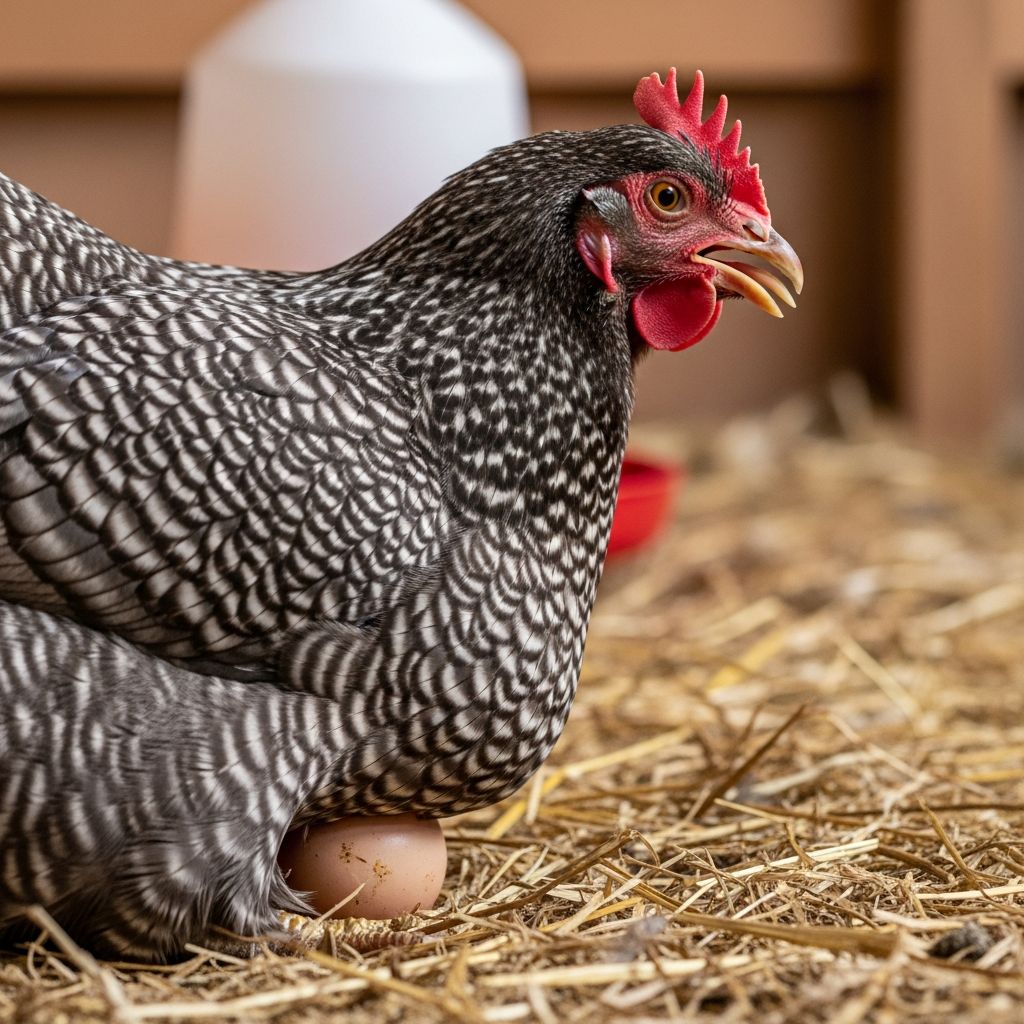
Egg binding represents a critical reproductive challenge in laying hens, where an egg fails to pass through the oviduct, potentially leading to severe health complications or death if untreated. This condition disrupts normal egg-laying processes and requires prompt intervention to restore hen vitality.
Understanding the Poultry Reproductive System
The female chicken’s reproductive tract, known as the oviduct, plays a pivotal role in egg formation. It consists of several segments: the infundibulum captures the yolk, the magnum adds albumen, the isthmus forms the shell membrane, the shell gland deposits calcium for the shell, and the vagina expels the completed egg. Disruptions at any stage can halt progress, causing binding.
In healthy hens, ovulation occurs daily during peak production, with the shell gland contracting rhythmically to push the egg outward. Weakened muscles or obstructions compromise this mechanism, turning routine laying into a crisis.
Primary Causes of Egg Binding
Several factors contribute to egg binding, often interacting to exacerbate the issue. Nutritional imbalances top the list, particularly calcium shortages that impair shell gland contractions.
- Nutritional Deficiencies: Insufficient calcium, vitamin D, or protein weakens oviduct muscles and produces soft-shelled or oversized eggs prone to sticking.
- Obesity and Sedentary Lifestyle: Overweight hens from excess feed or limited exercise face increased binding risk due to poor muscle tone.
- Abnormal Eggs: Double-yolked, misshapen, or excessively large eggs from genetic traits or overstimulation often lodge in narrow passages.
- Age-Related Factors: Young pullets laying before full maturity or aged hens with relaxed tissues are highly susceptible.
- Environmental Stressors: Sudden light increases, high temperatures, or inadequate nesting prompt egg retention.
- Infections and Trauma: Oviduct inflammation, vent injuries from pecking, or parasites swell tissues, blocking passage.
Commercial operations note higher incidences during spring and summer from photoperiod changes and dietary excesses like lysine.
Recognizing Symptoms Early
Timely detection hinges on observing behavioral and physical changes. Hens typically show acute distress within hours of binding onset.
| Symptom Category | Common Indicators | Severity Level |
|---|---|---|
| Behavioral | Lethargy, restlessness, loss of appetite, frequent nesting attempts without success | Early to Moderate |
| Postural | Penguin-like waddle, tail pumping, shaky wings, hunched stance | Moderate |
| Physical | Swollen abdomen, distended vent, visible egg outline, abnormal droppings or constipation | Moderate to Severe |
| Advanced | Pale comb/wattles, paralysis, shock signs like rapid breathing | Critical |
Palpate the abdomen gently—feel for a hard mass near the vent. A penguin posture signals internal pressure buildup. Distressed vocalizations and straining mimic defecation efforts but yield no egg.
Potential Complications and Risks
Untreated egg binding escalates rapidly. The stuck egg blocks feces, fostering bacterial infections that spread to peritonitis—yolk material leaking into the abdomen causes inflammation.
Chronic impaction leads to massive oviduct enlargement as successive yolks and albumen accumulate, refluxing contents into the body cavity for ‘internal laying.’ This penguin stance persists, with hens unable to perch or move normally. Other dangers include oviduct prolapse, hemorrhage, nerve damage causing leg paralysis, and fatal shock within 24-48 hours.
Immediate Treatment Protocols
Act swiftly upon suspicion. Isolate the hen in a warm, quiet space at 85-90°F to reduce stress and promote relaxation.
- Hydration and Lubrication: Offer electrolyte water; apply warm olive oil or KY jelly to the vent externally and internally with a gloved finger.
- Calcium Boost: Administer liquid calcium gluconate (1ml subcutaneously) or crushed Tums orally to trigger contractions.
- Warm Bath Soaking: Submerge the lower body in Epsom salt water (10-15 minutes) to relax muscles.
- Gentle Massage: Lightly rub the abdomen toward the vent; monitor for egg passage.
If no relief in 24 hours, seek veterinary aid for aspiration, oxytocin injections, or surgery. Avoid forceful extraction to prevent tears. Success rates soar with early action.
Long-Term Prevention Strategies
Proactive management minimizes occurrences. Balance diets with 3.5-4% calcium layer feeds, oyster shells free-choice, and ample vitamins.
- Ensure exercise space to combat obesity.
- Gradual lighting ramps for pullets; limit to 14-16 hours daily.
- Provide multiple clean nests (1 per 4-5 hens).
- Monitor for parasites and vaccinate against reproductive diseases.
- Select breeds less prone to giants eggs, like heritage varieties over hybrids.
Regular health checks catch early nutritional gaps. Seasonal feed adjustments counter summer overstimulation.
FAQs on Egg Binding in Chickens
What is the most common cause of egg binding?
Calcium deficiency weakens shell gland muscles, preventing egg expulsion.
How long can a hen survive egg-bound?
Typically 24-48 hours before shock or infection proves fatal without help.
Can egg binding happen to young chickens?
Yes, immature pullets forced into laying by lights face higher risks.
Is surgery ever needed for egg binding?
In refractory cases, vets may aspirate or remove the egg surgically.
How to differentiate egg binding from other issues?
Abdominal palpation confirms egg presence; vets use imaging for clarity.
Case Studies from Flock Management
In one backyard setup, a obese Buff Orpington showed penguin walking post-spring light increase. Calcium and bathing resolved it overnight, resuming laying. Commercial flocks report necropsy revelations of undetected impactions, stressing routine exams.
Another instance involved a veteran Leghorn with vent trauma from cannibalism; antibiotics and isolation prevented peritonitis. These highlight vigilance rewards.
Nutritional Guidelines Table
| Nutrient | Daily Requirement (Laying Hen) | Sources | Deficiency Impact |
|---|---|---|---|
| Calcium | 4g | Oyster shell, limestone grit | Muscle weakness, soft shells |
| Vitamin D3 | 2000 IU/kg feed | Sunlight, fortified feed | Poor absorption |
| Protein | 16-18% | Soy, fish meal | Weak yolks, oversized eggs |
| Lysine | 0.85% | Balanced rations | Overstimulation |
Maintaining these prevents most bindings.
References
- Egg-Bound or Impacted Oviducts in Poultry — Merck Veterinary Manual. 2023. https://www.merckvetmanual.com/poultry/disorders-of-the-reproductive-system-in-poultry/egg-bound-or-impacted-oviducts-in-poultry
- Egg Bound Chickens: Symptoms, Support, & Treatment — Grubbly Farms. 2023. https://grubblyfarms.com/blogs/the-flyer/egg-bound-chickens-symptoms-support-treatment
- How to Identify and Treat an Egg-Bound Chicken — Chicken Coop Company. 2024. https://www.chickencoopcompany.com/a/blog/how-to-identify-and-treat-an-egg-bound-chicken
- Egg Bound Chickens: Recognizing Symptoms and Care Options — Kalmbach Feeds. 2024. https://www.kalmbachfeeds.com/blogs/chickens/egg-bound-chickens-recognizing-symptoms-and-care-options
- Chicken Egg Binding: Causes, Symptoms, Treatment, Prevention — The Chicken Chick. 2023. https://the-chicken-chick.com/chicken-egg-binding-causes-symptoms/
- Egg Binding in Birds — VCA Animal Hospitals. 2024. https://vcahospitals.com/know-your-pet/egg-binding-in-birds
Similar Articles








Read full bio of Sneha Tete


