
Egg Binding in Birds: Causes, Symptoms & Treatment
Learn about egg binding in birds: recognize symptoms, understand causes, and discover emergency treatment options.
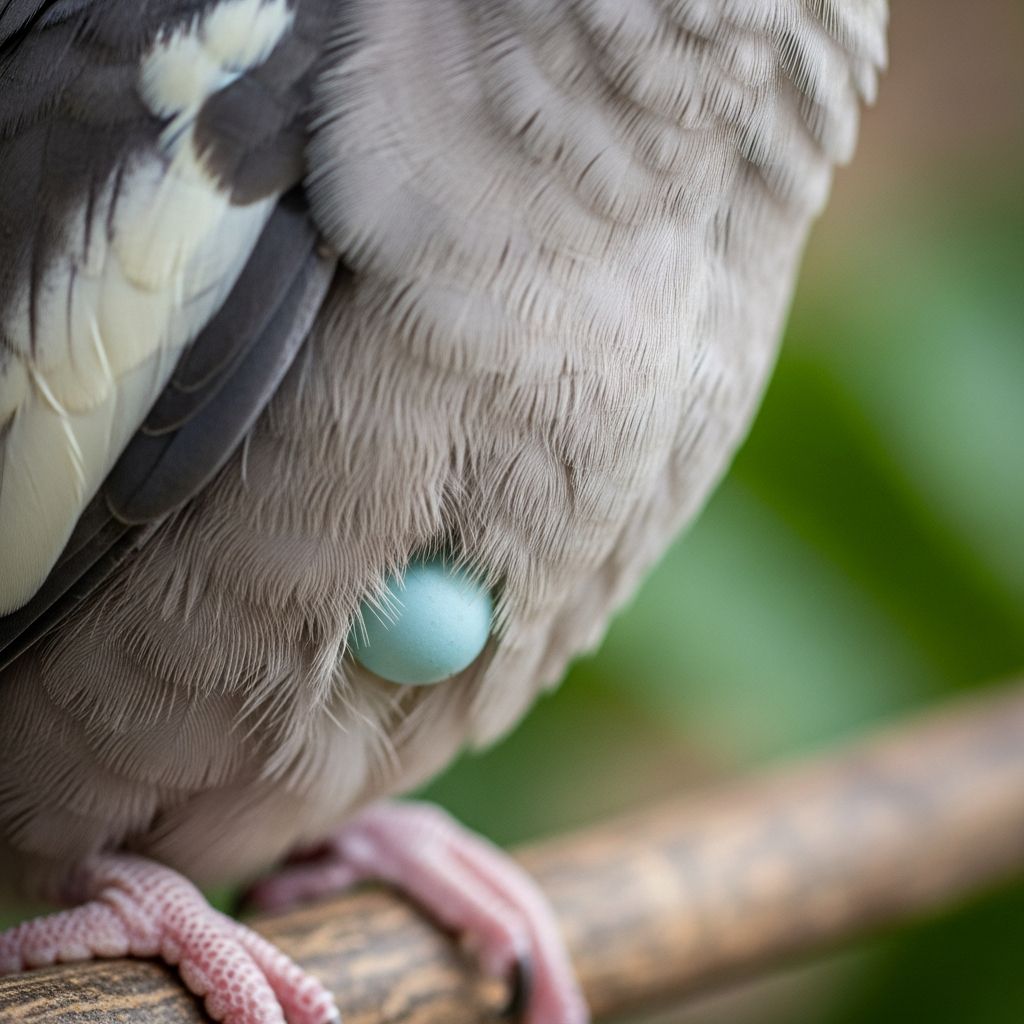
Understanding Egg Binding in Birds
Egg binding, also known as dystocia, is a serious reproductive emergency that occurs when a female bird is unable to expel an egg naturally, causing it to become stuck in the reproductive tract. This condition represents a medical crisis that requires immediate veterinary intervention. When an egg becomes lodged in the oviduct or cloaca—the common chamber that collects the reproductive, urinary, and gastrointestinal tracts—it can quickly lead to life-threatening complications. The bird’s body functions begin to shut down as the stuck egg prevents normal physiological processes, including the elimination of waste products.
Egg binding can affect various bird species, from pet birds like parrots and cockatiels to backyard chickens and other poultry. Understanding this condition is critical for bird owners because early recognition and rapid treatment can mean the difference between life and death. A bird that is egg bound is fundamentally unable to perform its normal biological functions, resulting in extreme stress, pain, and potentially fatal complications if left untreated.
What Causes Egg Binding in Birds?
Egg binding develops due to a combination of factors that either weaken the bird’s ability to expel an egg or create physical obstructions. Understanding these causes is essential for prevention and early intervention.
Nutritional Deficiencies
One of the primary causes of egg binding is inadequate calcium intake. Birds that consume all-seed diets or lack sufficient calcium are particularly prone to egg binding. Calcium is essential for proper oviduct muscle contractions that help expel eggs. Without adequate calcium, the oviduct muscles become weak and unable to generate the necessary contractions. Additionally, vitamin D3 deficiency prevents proper calcium absorption, compounding the problem. Birds with weak contractions cannot push the egg through the oviduct effectively.
Obesity and Body Condition
Overweight birds face significantly increased risk of egg binding. Excess body fat deposits can compress the oviduct, making it difficult for the egg to pass through normally. Obesity also contributes to overall muscle weakness, including the reproductive tract muscles needed for egg expulsion. Maintaining proper body weight through appropriate diet and exercise is crucial for prevention.
Reproductive Tract Health Issues
Infection, trauma, and inflammation of the cloaca or oviduct—a condition known as salpingitis—can cause egg binding through secondary scarring. These conditions lead to swelling or narrowing of the reproductive tract, creating physical barriers to egg passage. Retained yolk or eggshell fragments from previous egg binding episodes can also cause subsequent binding events. Tumors, cysts, and other reproductive disorders may obstruct the bird’s reproductive tract as well.
Environmental and Behavioral Factors
Inadequate nesting areas can contribute to egg binding, as birds may hold their eggs when unable to find suitable nesting spots. Excessive egg laying, particularly in commercial or hybrid breeds genetically predisposed to high egg production, increases the risk. Some bird breeds are naturally more prone to egg binding due to genetic factors, with production and hybrid breeds showing higher susceptibility.
Egg Characteristics
An egg that is too soft, abnormally large, or malformed can contribute to binding. These physical characteristics make natural expulsion difficult or impossible for the bird.
Recognizing the Symptoms of Egg Binding
Symptoms of egg binding typically appear within 24 to 48 hours of the egg becoming stuck. Birds that remain egg bound beyond this timeframe have a poor prognosis and are more likely to develop severe, potentially fatal complications. Recognizing these signs quickly is essential for obtaining emergency veterinary care.
Behavioral and Physical Signs
Affected birds typically appear depressed and lethargic, often sitting at the bottom of the cage rather than perching normally. They may demonstrate less vocalization than usual and show a distinctly fluffed-up feather appearance. The bird’s posture often changes to a characteristic “penguin-like walk” or wide stance, reflecting the discomfort and strain in the abdominal area. Many egg-bound birds show visible signs of straining as if attempting to lay an egg, and some may display excessive restlessness and signs of distress.
Respiratory and Digestive Changes
Open-mouth breathing and labored respiration are common as the enlarged abdomen presses against the air sacs. Birds typically exhibit loss of appetite (anorexia) and may fail to consume food or water. The bird’s droppings often become abnormal—appearing whitish or absent entirely—as the stuck egg prevents normal waste elimination.
Severe Symptoms
In more critical cases, birds may display paralysis or weakness in the legs if the egg presses on nerves controlling leg function. The vent area may become visibly swollen, and in severe cases, tissue may prolapse—pushing out from the vent. Blood may be visible around the cloaca, indicating tissue damage. Without treatment, these severe symptoms can progress to sudden death.
Diagnostic Considerations
Because the signs associated with egg binding are also seen in birds with other illnesses, diagnostic testing is essential for proper diagnosis. Veterinarians may perform physical examinations, radiographs, or ultrasound to confirm egg binding and assess the bird’s condition.
How Veterinarians Treat Egg Binding
Treatment varies significantly depending on the bird’s overall health status, the egg’s location, and how long the bird has been egg bound. A comprehensive treatment approach addresses both the immediate emergency and the underlying egg binding.
Emergency Stabilization
Critically ill birds are first treated for shock, as egg binding creates a severe physiological crisis. Many egg-bound birds are hypothermic (having abnormally low body temperature) and require immediate warming. The bird may be toxic from the inability to eliminate waste products and dehydrated from poor appetite and weakness. Warm fluids are administered to address these critical needs. Depending on severity, fluids may be administered subcutaneously (under the skin), intravenously (into a vein), or via intraosseous catheter (directly into bone) if the bird is in shock.
Egg Extraction and Management
Once the bird is stabilized, attempts are made to extract the egg. In mild cases, supplemental heat, rehydration, calcium, and vitamin D3 supplementation may encourage the bird to pass the egg naturally. Veterinarians may prescribe medications like oxytocin—a hormone that causes the oviduct to contract and help expel the egg. Other medications including prostaglandins and arginine vasotocin help make oxytocin more effective in creating stronger contractions.
Surgical Intervention
If conservative treatments fail, manual egg removal may be necessary. In severe cases where tissue has prolapsed from the bird’s body, the egg will be manually removed and damaged tissue will be treated before gently reducing the prolapse. Stitches are often needed to keep the prolapsed tissue in proper position. If the oviduct is severely damaged or non-functional, surgical removal of the oviduct may be necessary.
Post-Treatment Care
Birds recovering from egg binding require antibiotics to prevent infection and pain medications for comfort. They need careful monitoring during recovery and may require ongoing nutritional support. Calcium and vitamin supplementation helps prevent future egg binding episodes.
Preventing Egg Binding in Your Bird
Prevention focuses on correcting the most likely causes of egg binding. The foundation of prevention involves providing a healthy, species-appropriate diet and ensuring your bird maintains a healthy body weight. Diet recommendations vary significantly by species and breed, making consultation with a veterinarian essential for developing an appropriate feeding plan.
Nutritional Strategies
Ensure adequate calcium intake through proper diet or supplementation as recommended by your veterinarian. Include foods rich in vitamin D3, which is essential for calcium absorption. Avoid all-seed diets, which typically lack sufficient calcium and other essential nutrients.
Environmental Enrichment
Provide appropriate nesting areas if your bird is breeding. Ensure the bird gets adequate rest periods, particularly if prone to excessive egg laying. Allow natural light cycles that correspond to seasons, as photoperiod influences reproductive activity.
Health Monitoring
Maintain regular veterinary check-ups to identify and treat any reproductive tract infections or other health issues early. Monitor your bird’s weight and adjust diet accordingly to maintain optimal body condition. Watch for any signs of illness that might predispose to egg binding.
Prognosis and Long-Term Considerations
The prognosis for egg binding depends on several factors, including how quickly treatment was initiated, the bird’s overall health, and the duration of the condition. Birds treated within 24-48 hours of becoming egg bound have better outcomes than those with longer binding duration. However, even with aggressive treatment, some birds may not survive, particularly if significant tissue damage has occurred or if complications like infection develop.
Birds that have experienced egg binding may develop complications including granulomas within the oviduct or uterine infections, especially if yolk or eggshell fragments remain. Some birds may never lay eggs normally again and could benefit from spaying or oviduct removal surgery to prevent future episodes.
Frequently Asked Questions About Egg Binding
Q: How quickly does egg binding become life-threatening?
A: Egg binding can become life-threatening very quickly. Symptoms typically appear within 24-48 hours, and birds that remain egg bound beyond this period have a poor prognosis with increased risk of paralysis or death. This is why immediate veterinary care is critical.
Q: Can egg binding be treated at home?
A: While supplemental heat and rest may help in very mild cases, egg binding is a medical emergency requiring professional veterinary care. At-home treatments alone are insufficient and could delay critical medical intervention.
Q: What breeds of birds are most susceptible to egg binding?
A: Production and hybrid breeds are genetically predisposed to egg binding due to their high egg-laying capabilities. However, any female bird can develop egg binding if the right conditions exist.
Q: Can a bird recover from egg binding?
A: With prompt veterinary treatment, many birds can recover from egg binding. However, recovery depends on the severity, duration, and whether complications like tissue damage or infection have occurred.
Q: How can I prevent egg binding in my pet bird?
A: Prevention involves providing proper nutrition with adequate calcium and vitamin D3, maintaining healthy body weight, offering appropriate nesting areas, providing adequate rest periods, and regular veterinary check-ups to catch health issues early.
Q: What should I do if I suspect my bird is egg bound?
A: Contact an avian veterinarian immediately. Time is critical with egg binding, so seek emergency veterinary care rather than attempting home treatment.
Q: Will my bird lay eggs again after egg binding?
A: Some birds return to normal egg laying after successful treatment, while others may have complications preventing normal reproduction. Your veterinarian can discuss long-term management options based on your bird’s individual situation.
References
- Egg Binding in Birds — VCA Animal Hospitals. Accessed November 2025. https://vcahospitals.com/know-your-pet/egg-binding-in-birds
- Egg Binding in Birds – PetMD — PetMD Editorial. Accessed November 2025. https://www.petmd.com/bird/conditions/reproductive/c_bd_egg_binding
- Egg Binding (Dystocia) in Birds: Causes, Symptoms & Treatment — Long Beach Animal Hospital. Accessed November 2025. https://lbah.com/avian/egg-binding-in-birds/
- Egg Binding – Bishop Ranch Veterinary Center & Urgent Care — WebVets. Accessed November 2025. https://www.webvets.com/blog/egg-binding-99.html
- Understanding Egg Binding: Causes, Symptoms, and Treatment — Vetafarm. Accessed November 2025. https://vetafarm.com.au/understanding-egg-binding-causes-symptoms-and-treatment-with-calcivet/
Similar Articles








Read full bio of Sneha Tete


