Egg Binding in Birds: Causes, Symptoms & Treatment
Learn about egg binding in birds: recognizing symptoms and emergency treatment options.
Egg Binding in Birds
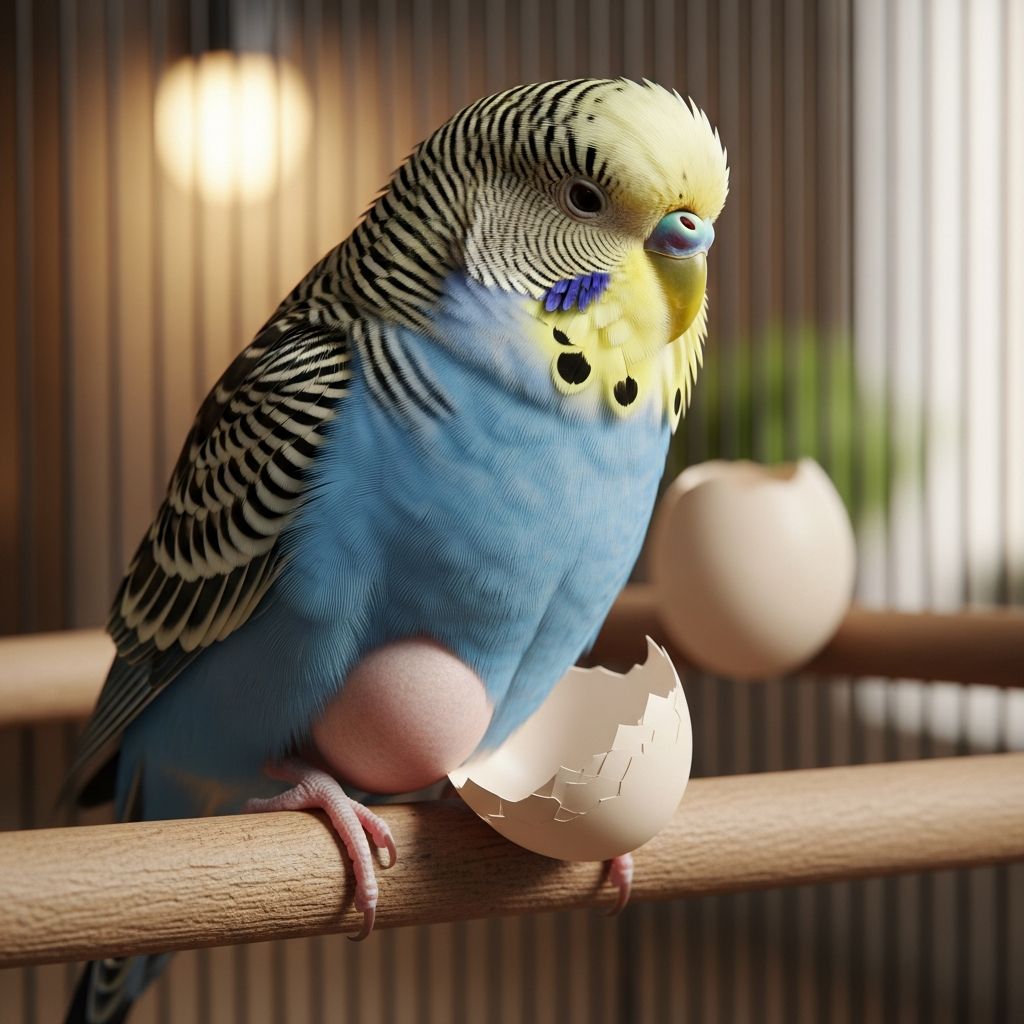
Egg binding, also known as dystocia, is a serious reproductive condition that occurs when a female bird is unable to expel an egg naturally from her body. This condition develops when an egg becomes stuck in the oviduct or cloaca (the common chamber that collects the reproductive, urinary, and gastrointestinal tracts). Egg binding represents a medical emergency requiring immediate veterinary attention, as prolonged cases can result in severe complications including tissue damage, organ failure, and death.
What Is Egg Binding?
Egg binding occurs when a bird’s reproductive tract fails to function properly, preventing the normal passage of an egg through the oviduct and out of the body. Unlike healthy egg-laying, where the process occurs smoothly over several hours, egg binding causes the egg to become lodged within the reproductive system. This obstruction can create significant pressure on surrounding organs and nerves, leading to acute distress and life-threatening complications if not addressed promptly.
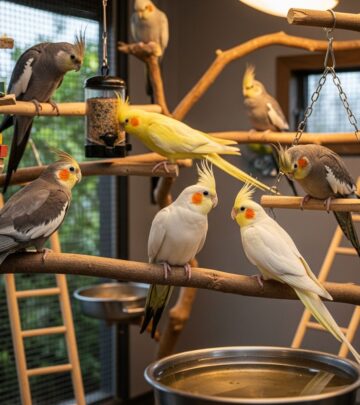
The condition can affect birds of various species, though it is particularly common in pet birds such as budgies, canaries, cockatiels, and larger parrots. Even birds that have never laid eggs before can become egg bound, making awareness of this condition essential for all bird owners.
Causes of Egg Binding in Birds
Multiple factors can contribute to the development of egg binding in female birds. Understanding these causes helps bird owners recognize risk factors and implement preventive measures.
Nutritional Deficiencies
The primary cause of egg binding involves nutritional deficiencies that lead to improper egg production. Calcium deficiency represents one of the most significant risk factors. Birds require adequate calcium for proper muscle contractions necessary to expel eggs. Similarly, deficiencies in vitamin E and selenium can impair the strength and coordination of uterine muscles. Birds maintained exclusively on seed-based diets are particularly vulnerable, as seeds typically contain inadequate levels of these essential nutrients.
Over-Production of Eggs
Chronic or excessive egg laying depletes the bird’s nutritional reserves, creating critical shortages of essential minerals and vitamins. This over-production exhausts the bird’s system, making normal egg passage increasingly difficult.
Genetic Predisposition
Some birds are genetically predisposed to egg binding due to anatomical or metabolic differences. Anatomical issues may result from developmental problems or medical obstructions such as tumors that physically obstruct the oviduct.
Environmental and Health Factors
Additional risk factors include:
- Stress from environmental changes or social disruption
- Obesity, which can compress the reproductive tract
- Lack of exercise and physical conditioning
- Infection of the reproductive system
- Low environmental temperatures that cause muscle contraction
- Trauma to the reproductive tract
- Inadequate nesting areas
- Production of eggs that are too soft or deformed
Clinical Signs and Symptoms
Recognizing the symptoms of egg binding is crucial for prompt medical intervention. Symptoms typically appear within 24-48 hours of egg binding occurring. Bird owners should seek immediate veterinary care if they observe any of the following signs:
Common Symptoms
- Depression and lethargy
- Loss of appetite (anorexia)
- Over-fluffed or ruffled feathers
- Reduced vocalizations or complete silence
- Visible abdominal straining
- Abdominal swelling or distension
- Labored or open-mouth breathing
- Weakness or inability to perch normally
- Sitting on the bottom of the cage
- Wide-based stance
- Tail wagging or bobbing with each attempt to strain
- Lack of normal droppings or only whitish droppings
Severe Symptoms
In advanced cases, birds may exhibit more critical signs including:
- Cloacal prolapse (tissue protruding from the vent)
- Visible egg bulging from the vent
- Lameness or complete inability to stand
- Paralysis of the legs (resulting from nerve compression)
- Failure to perch at all
- Sudden death
It is important to note that birds may sometimes display only minimal symptoms. In some cases, the only indication of egg binding is finding the bird sitting at the bottom of the cage or, tragically, discovering the bird dead without having observed prior distress.
Diagnosis of Egg Binding
Accurate diagnosis is essential since the signs associated with egg binding can mimic other avian diseases. A veterinarian will typically perform a comprehensive physical examination and may recommend diagnostic testing to confirm egg binding and rule out alternative conditions.
Diagnostic Procedures
Common diagnostic approaches include:
- Physical palpation of the abdomen to detect the egg
- Radiographs (X-rays) to visualize the egg within the reproductive tract
- Ultrasound imaging for detailed visualization of the reproductive organs
- Blood work to assess overall health and identify underlying nutritional deficiencies
Treatment Options for Egg Binding
Treatment approaches vary significantly depending on the severity of the bird’s condition, the location of the egg, and how long the bird has been egg bound. Birds that have been egg bound for longer than 48 hours typically have a poor prognosis and are more likely to develop severe complications including paralysis or death.
Treatment for Mildly Affected Birds
Mildly affected birds may respond favorably to conservative medical management including:
- Supplemental heat therapy to relax muscles and promote egg passage
- Injectable fluid therapy for rehydration
- Calcium supplementation to support muscle contractions
- Vitamin D3 to enhance calcium absorption
- Oxytocin hormone injections to stimulate stronger uterine contractions
Treatment for Critically Ill Birds
Critically ill birds require emergency stabilization before egg extraction is attempted. The initial focus is treating shock through:
- Immediate warming of the bird
- Intravenous or subcutaneous fluid administration
- Intraosseous catheter placement if the bird is in severe shock
- Management of dehydration and waste product accumulation
Egg Extraction and Advanced Treatments
Once the bird is stabilized, the veterinarian may attempt to extract the egg. If the egg can be reached through the cloaca, manual removal may be performed. In cases where tissue has prolapsed from the bird’s body, damaged tissue must be carefully treated, and stitches are often necessary to retain the prolapsed tissue properly. Birds undergoing these procedures will require antibiotics and pain medications during recovery.
Pharmacological Support
Additional medications that may be prescribed include:
- Prostaglandins to enhance uterine contractions
- Arginine vasotocin to increase oxytocin effectiveness
- Pain medications for comfort
- Antibiotics to prevent or treat infection
Surgical Intervention
When medical management and egg extraction through the vent are unsuccessful, a salpingohysterectomy (surgical removal of the entire oviduct) may be considered. This procedure is typically a last-resort option and is moderately risky, requiring an experienced avian veterinarian. Birds that are weak or thin have a higher risk of not surviving this surgery.
Long-Term Complications of Egg Binding
Egg binding can have lasting effects on a bird’s reproductive health. Long-term complications include:
- Scarring of the oviduct
- Development of strictures (narrowing of the oviduct)
- Adhesions (tissue attachments) within the oviduct
- Formation of noncancerous lumps or granulomas within the oviduct
- Uterine infections, especially if yolk or eggshell fragments remain
Birds with a history of egg binding have significantly increased risk of experiencing future episodes. This makes management and prevention particularly important for birds that have previously been egg bound.
Prevention Strategies for Egg Binding
Preventing egg binding is far preferable to treating it. Bird owners can implement several strategies to reduce the risk of this serious condition.
Nutritional Management
Providing a healthy, well-balanced diet is fundamental to prevention. The diet should include:
- Adequate calcium through appropriate vegetables, fortified foods, or supplements
- Essential vitamins and minerals, particularly vitamin E and selenium
- A variety of foods beyond seeds, such as leafy greens, legumes, and commercial pellets
Specific diet recommendations vary by bird species and breed, making consultation with an avian veterinarian advisable.
Weight Management
Obese birds should be encouraged to achieve a healthy weight through appropriate diet changes and increased exercise, which also improves overall physical conditioning.
Reducing Reproductive Signals
For birds that are chronic egg layers, reducing breeding behavior can help prevent egg binding recurrence. This includes:
- Adjusting the amount of daylight exposure the bird receives
- Removing nesting boxes and nesting materials
- Allowing laid eggs to accumulate rather than removing them
- Rearranging cage furnishings to discourage broodiness
- Removing perceived or actual mates
- Restricting stimulatory petting
- Using hormonal injections when appropriate
Frequently Asked Questions
Q: How quickly does egg binding become life-threatening?
A: Egg binding can become life-threatening relatively quickly. Symptoms typically appear within 24-48 hours, and birds that remain egg bound beyond this timeframe have a poor prognosis with increased risk of severe complications including paralysis and death.
Q: Can a bird recover from egg binding?
A: Yes, birds can recover from egg binding when treated promptly by an experienced avian veterinarian. However, recovery depends on the severity of the condition, how long the bird has been egg bound, and the overall health status of the bird. Early intervention significantly improves outcomes.
Q: What should I do if I suspect my bird is egg bound?
A: Seek immediate veterinary attention from an avian specialist. Egg binding is a medical emergency, and delays in treatment can result in serious complications or death. Do not attempt home remedies, as professional diagnostic and therapeutic intervention is essential.
Q: Are certain bird species more prone to egg binding?
A: While egg binding can occur in any female bird species, pet birds such as budgies, canaries, cockatiels, and parrots are commonly affected. Birds on poor diets and those with nutritional deficiencies are at higher risk regardless of species.
Q: Can male birds become egg bound?
A: No, egg binding exclusively affects female birds, as it involves the female reproductive system (oviduct and cloaca). However, male birds can develop other serious reproductive conditions.
Q: What is the cost of treating egg binding?
A: The cost varies depending on the severity of the condition and the required treatment. Emergency care with diagnostics and hospitalization can be expensive. Prevention through proper nutrition and husbandry is more cost-effective than emergency treatment.
References
- Egg Binding in Birds — PetMD. 2024. https://www.petmd.com/bird/conditions/reproductive/c_bd_egg_binding
- Egg Binding (Dystocia) in Birds: Causes, Symptoms & Treatment — Laguna Beach Animal Hospital. 2024. https://lbah.com/avian/egg-binding-in-birds/
- Egg Binding in Birds — VCA Animal Hospitals. 2024. https://vcahospitals.com/know-your-pet/egg-binding-in-birds
- Egg Binding – Bishop Ranch Veterinary Center & Urgent Care — WebVets. 2024. https://www.webvets.com/blog/egg-binding-99.html
- Egg Binding: Symptoms, Treatment and Prevention — Backyard Chickens. 2024. https://www.backyardchickens.com/articles/egg-binding-symptoms-treatment-and-prevention.66978/
Similar Articles







Read full bio of Sneha Tete