

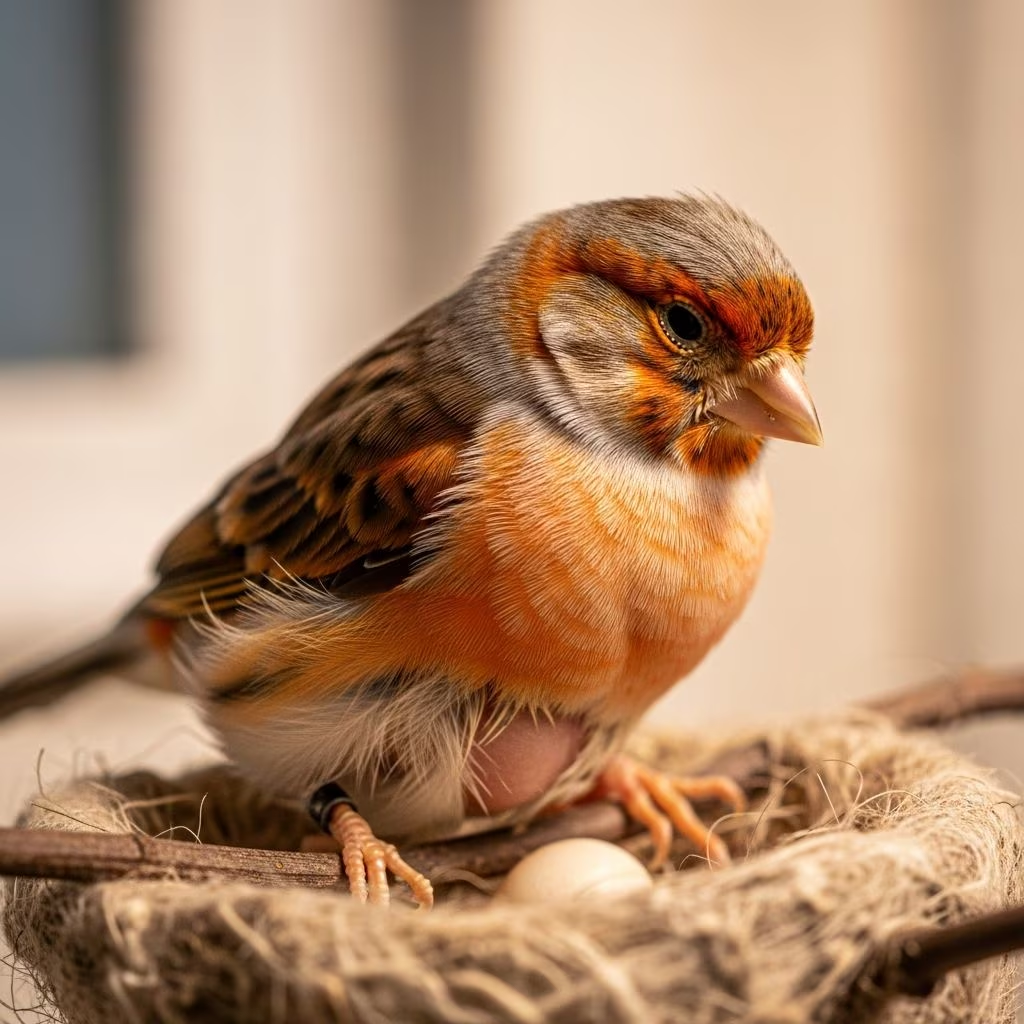
Egg binding, also known as dystocia in avian medicine, occurs when a female bird fails to expel an egg from her reproductive tract within the expected timeframe, posing a life-threatening emergency particularly in small pet species like budgies, cockatiels, lovebirds, and finches.
Understanding the Physiology of Egg Laying in Pet Birds
Companion birds typically produce eggs every 24 to 48 hours during a clutch, with variations by species; for instance, most psittacines lay at intervals exceeding one day. The process involves the oviduct, where the yolk is fertilized, shelled, and moved toward the cloaca. Disruptions at any stage—from shell formation in the uterus to passage through the vagina-cloacal junction—can lead to binding.
When normal peristalsis fails, the egg remains lodged, often in the distal oviduct, compressing vital structures like air sacs, nerves, and blood vessels. This distinction is key: egg binding refers to delayed passage, while dystocia indicates mechanical blockage.
Primary Risk Factors and Predisposing Conditions
Several factors increase susceptibility, often interconnected in pet birds kept in suboptimal environments.
- Nutritional Imbalances: Hypocalcemia from seed-only diets impairs muscle contractions needed for oviposition; birds require dietary calcium exceeding egg production demands.
- Obesity and Inactivity: Overweight hens struggle with egg expulsion due to fat deposits around the pelvis.
- Chronic Egg Laying: Stimulated by long daylight, nesting materials, or petting near the back, leading to exhaustion and repeated binding episodes.
- Infections or Trauma: Salpingitis or reproductive tract injuries hinder passage.
- Abnormal Eggs: Oversized, soft-shelled, or malformed ova from metabolic issues.
- Environmental Stressors: Poor humidity, cold temperatures, or inadequate space exacerbate the problem.
Smaller birds suffer most acutely due to limited reserves, with cockatiels and budgerigars overrepresented in clinical cases.
Recognizing Early Warning Signs
Symptoms escalate rapidly, demanding immediate action; delays beyond 12-24 hours risk fatality from dehydration, shock, or organ compression.
| Symptom | Description | Severity Indicator |
|---|---|---|
| Lethargy/Depression | Bird appears fluffed, unresponsive, or floor-perched | Early to advanced |
| Labored Breathing | Dyspnea from air sac compression; tail bobbing | Moderate |
| Abdominal Distention | Swollen coelom, palpable egg (firm or soft) | Common |
| Pelvic Limb Weakness | Paresis/paralysis from ischiatic nerve pressure | Advanced |
| Straining/Anorexia | Repeated cloacal efforts, no food intake | Early |
| Altered Droppings | Absent, whitish, or bloody; uric acid buildup | Critical |
Owners often note recent sexual behaviors like nest-building or male courtship, though many overlook the bird’s female sex due to monomorphism.
Diagnostic Approaches in Veterinary Practice
History and physical exam suffice for most cases: probe for laying history, palpate the caudal abdomen for eggs, and assess dehydration or cyanosis. Unstable patients skip extensive tests.
- Radiography: Standing dorsoventral views detect shelled eggs; assess pelvic fit.
- Ultrasound: Identifies thin-shelled or internal ova invisible to X-rays.
- Bloodwork: Checks calcium, glucose, and liver enzymes if feasible.
Cloacal prolapse, yolk discharge, or mucosa adhesion signals advanced dystocia.
Immediate Supportive Interventions
Stabilize first: provide warmth (85-90°F), humidity, and fluids to counter hypocalcemia and hypoglycemia.
- Substrate gavage with critical care formulas for energy.
- Intravenous or subcutaneous fluids; calcium gluconate injections.
- Analgesics like butorphanol (1 mg/kg IM q8h).
Many resolve within 12-24 hours under these measures, especially without obstruction.
Advanced Treatment Options
If supportive care fails, escalate carefully under anesthesia.
- Oxytocin: 5-10 IU/kg IM to enhance contractions, post-vaginal sphincter confirmation.
- Manual Assistance: Lubricate and apply gentle coelomic pressure; aspirate contents for collapse if adhered.
- Surgical Removal: Ovariectomy or salpingotomy for recurrent cases or unsalvageable eggs; guarded prognosis in small birds.
For prolapses, rehydrate mucosa and reduce post-egg passage.
Preventing Recurrence and Promoting Long-Term Health
Address root causes to halt chronic laying, a major relapse trigger.
- Husbandry Adjustments: 8-12 hour light cycles; remove nests/toys.
- Diet Optimization: Pellets with 1-1.2% calcium; supplements like cuttlebone.
- Hormonal Management: Leuprolide acetate injections for persistent layers.
- Weight Control: Exercise and portioned feeding.
- Regular Vet Checks: Sexing, reproductive ultrasounds for at-risk females.
Breeding birds need monitoring; spaying prevents issues in pets.
FAQs on Egg Binding in Pet Birds
What should I do if I suspect my bird is egg bound?
Keep her warm, offer hydration, and rush to an avian vet—do not attempt home remedies like baths or massages, which risk injury.
How long can a bird survive with an egg bound?
Hours to days; small species deteriorate fastest, with fatality from shock or sepsis if untreated beyond 24-48 hours.
Can male birds get egg binding?
No, only females; confirm sex via DNA testing or exam, as dimorphism is rare.
Is egg binding preventable?
Largely yes, through balanced nutrition, light control, and avoiding breeding stimuli in pets.
What is the success rate of treatment?
High (70-90%) with prompt care, but drops if delayed or recurrent; surgery carries anesthesia risks.
Case Studies: Real-World Outcomes
In one report, a cockatiel with 36-hour binding responded to calcium, fluids, and oxytocin, laying successfully. A finch with prolapse required aspiration and reduction, recovering fully after husbandry changes. These underscore early intervention’s value.
Maintain vigilance for at-risk birds; consult avian specialists for tailored plans.
References
- How I treat psittacine egg binding and chronic laying (Proceedings) — dvm360. N/A. https://www.dvm360.com/view/how-i-treat-psittacine-egg-binding-and-chronic-laying-proceedings
- Egg Binding in Pet Birds — Beecroft Animal Specialists & Emergency. N/A. https://beecroft.com.sg/egg-binding-in-pet-birds/
- Approach to Egg-binding and Dystocia in Pet Birds — MSPCA-Angell (Elisabeth Simone Freilicher, DVM, DABVP-Avian). 2020-06-01. https://www.mspca.org/wp-content/uploads/2020/06/Approach-to-Egg-binding-and-Dystocia-in-Pet-Birds_Elisabeth-Simone-Freilicher-DVM-DABVP-Avian-Practice.pdf
- Egg Binding (Dystocia) in Birds: Causes, Symptoms & Treatment — Long Beach Animal Hospital. N/A. https://lbah.com/avian/egg-binding-in-birds/
- Egg Binding in Birds — VCA Animal Hospitals. N/A. https://vcahospitals.com/know-your-pet/egg-binding-in-birds



