
Effects Of Secondhand Smoke On Pets: 5 Ways To Protect Them
Protect your pets from secondhand smoke dangers and health risks.
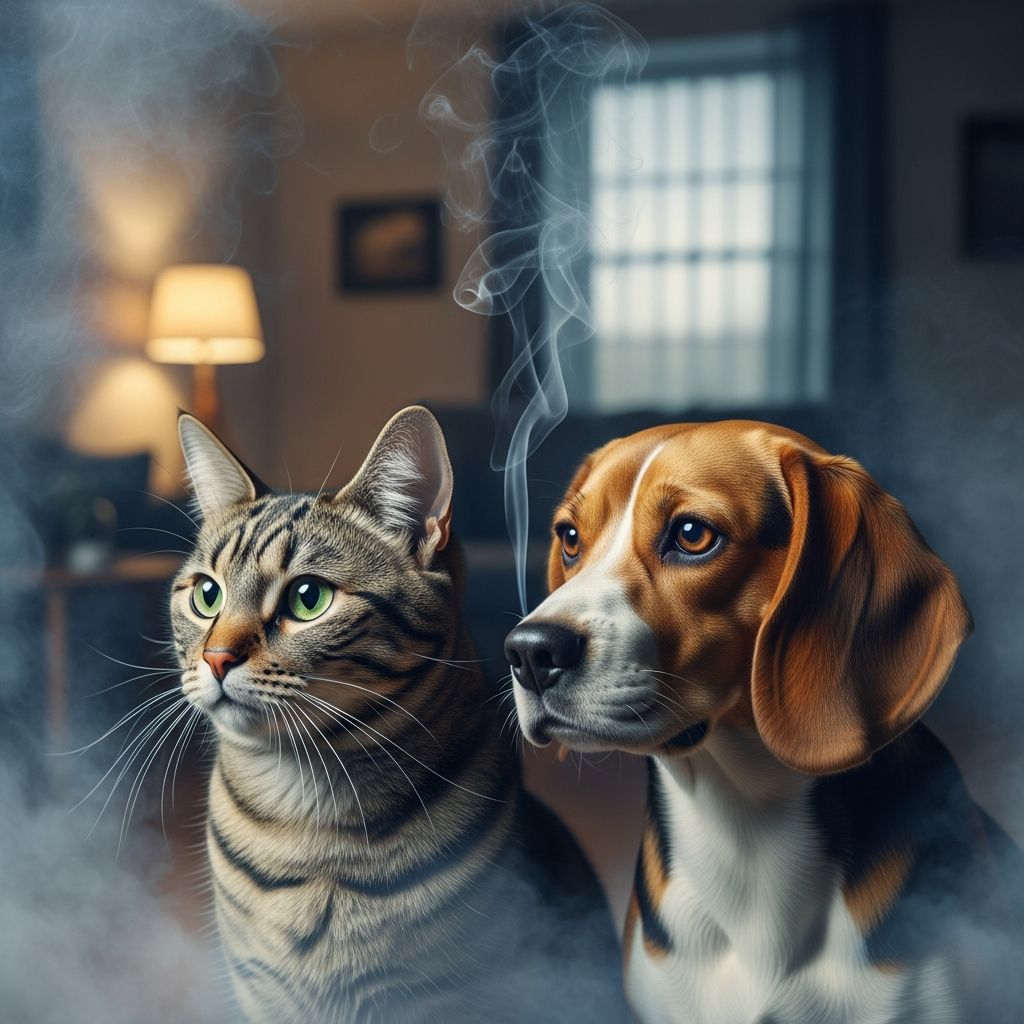
The Effects of Secondhand Smoke on Pets
Secondhand smoke represents a significant yet often overlooked health hazard for our beloved pets. Just as exposure to tobacco smoke poses serious risks to human health, it creates substantial dangers for dogs, cats, birds, and other household animals. Pet owners frequently underestimate the extent to which secondhand smoke infiltrates their homes and affects their animals’ wellbeing. Understanding these risks and taking preventive action is essential for maintaining optimal pet health and extending your companion’s lifespan.
Pets spend considerable time indoors and in close proximity to their owners, making them particularly vulnerable to smoke exposure. Unlike humans, who may have more control over their environment and exposure levels, pets have limited ability to escape smoky environments. They cannot open windows, choose different rooms, or verbally communicate their discomfort. This makes the responsibility of providing a smoke-free environment entirely dependent on pet owners.
How Pets Are Exposed to Secondhand Smoke
Pet exposure to secondhand smoke occurs through multiple pathways, each contributing to cumulative health risks. Understanding these exposure routes helps pet owners recognize the extent of the problem in their homes.
Direct Inhalation
Pets inhale smoke particles directly from the air when cigarettes, cigars, or pipes are smoked in their vicinity. Because pets have faster breathing rates than humans, they actually inhale a greater volume of smoke relative to their body size. This increased respiratory rate means that in the same amount of time, a pet will draw in more harmful smoke particles and toxic chemicals than a human would.
Contact with Contaminated Surfaces
Tobacco smoke doesn’t simply disappear after a cigarette is extinguished. Nearly 80 percent of tobacco smoke is invisible and odorless, allowing it to settle on virtually every surface in the home. Smoke residue accumulates on floors, carpets, furniture, walls, and other household items. Since dogs and cats spend considerable time on or near the floor, where tobacco smoke residue concentrates in house dust and carpets, they come into direct contact with these harmful substances.
Ingestion During Grooming
Cats and other grooming animals face additional exposure risks. When cats lick their fur to groom themselves, they ingest the toxic residues that have settled on their coat. Similarly, pets may ingest smoke particles by licking their owner’s hair, skin, and clothes, which can carry smoke residue from smoking. This ingestion pathway is particularly problematic because it delivers harmful chemicals directly to the digestive system, increasing the severity of potential health effects.
Thirdhand Smoke
Beyond secondhand smoke exposure, pets also face dangers from thirdhand smoke—the residual toxins left behind on surfaces, fabrics, and dust long after smoking has ceased. These particles can remain in the home for weeks or months, continuing to pose health risks to pets who contact or inhale them.
Health Risks in Dogs
Dogs exposed to secondhand smoke face a multitude of health complications. Research has documented that dogs living in smoking households experience significantly more health problems than those in smoke-free environments.
Respiratory Problems
Secondhand smoke irritates a dog’s respiratory system, leading to coughing, sneezing, and wheezing. Dogs exposed to smoke cough more frequently than those in smoke-free homes. Chronic exposure can exacerbate existing respiratory conditions or contribute to the development of asthma and bronchitis. These conditions reduce a dog’s ability to exercise comfortably and enjoy an active lifestyle.
Cancer Development
Among the most serious health risks, cancer represents a significant concern for dogs exposed to secondhand smoke. Multiple studies have found probable links between secondhand smoke and the development of nasal and lung cancers in dogs. A study from Colorado State University demonstrated that dogs exposed to secondhand smoke face higher risks of developing lung cancer, with the risk varying by breed. Breeds with shorter nasal passages have increased lung cancer risk, while breeds with longer nasal passages, such as Collies and German Shepherds, face increased nasal cancer risk because smoke particles infiltrate their nasal cavity. Additionally, a study from Purdue University indicated that bladder cancer risk for dogs exposed to cigarette smoke increased sixfold.
Eye and Skin Conditions
Smoke exposure causes eye irritation and redness in dogs. The chemicals in smoke settle on a dog’s fur and skin, leading to irritation and dermatitis. Dogs exposed to secondhand smoke also experience higher rates of allergies.
Cardiovascular Issues
Exposure to secondhand smoke can contribute to cardiovascular problems and increase a dog’s risk of heart disease. These effects compound other health risks, creating multiple pathways to serious illness.
Health Risks in Cats
Cats living in smoky environments face particularly acute health challenges. In fact, cats may be more susceptible to secondhand smoke exposure than dogs due to their grooming behaviors and the way they spend time in their homes.
Respiratory and Lung Issues
Cats that live in a smoky environment are at greater risk of developing asthma and lung cancer. Because cats have short noses, they cannot filter smoke particles as effectively as longer-nosed animals, allowing more particles to reach their lungs.
Lymphoma Development
One of the most significant cancer risks for cats involves lymphoma, a cancer of the lymph nodes. Cats exposed to secondhand smoke have a higher incidence of lymphoma compared to cats in smoke-free homes. Research indicates that cats exposed to smoke are about two times more likely to develop lymphoma, a cancer that carries a poor prognosis for survival. The risk increases with the length of time a cat lives in a smoky household, meaning long-term exposure creates compounding dangers.
Oral Cancer
Due to their grooming habits, cats are more likely to develop squamous cell carcinoma in their mouths from licking smoke residues off their fur. The risk of developing this cancer increases if cats have lived in the smoking environment for five years or longer. Additionally, cats exposed to secondhand smoke are 2.5 times more likely to develop malignant lymphoma than cats living in smoke-free homes.
Health Risks in Birds and Exotic Pets
While often overlooked, birds and exotic pets face particularly severe health consequences from secondhand smoke exposure due to their unique biology.
Birds
Birds have extremely sensitive respiratory systems and are exceptionally vulnerable to secondhand smoke. Their respiratory tracts can find cigarette smoke very distressing. When exposed to secondhand smoke, birds are more likely to develop pneumonia, lung cancer, heart problems, and sinusitis. Birds also experience skin and eye irritation from smoke exposure. Beyond physical health effects, birds exposed to smoke may develop behavioral problems such as feather plucking, which can result in further health complications including skin infections and self-mutilation. Additionally, long-term smoke exposure can affect birds’ reproductive health, leading to decreased fertility and reduced egg hatchability.
Ferrets and Guinea Pigs
Ferrets and guinea pigs have sensitive respiratory systems, and smoke exposure can lead to respiratory conditions such as bronchitis, asthma, and secondary infections.
Rabbits
Rabbits exposed to secondhand smoke can experience respiratory complications. Additionally, ingesting smoke particles can disrupt their delicate digestive system, potentially leading to gastrointestinal stasis, a dangerous condition involving digestive system slowdown.
Fish and Other Pets
Even fish can be affected by secondhand smoke, as toxins in cigarette smoke can dissolve into fish tanks. Other pets such as hamsters and other small animals living inside the home are also vulnerable to secondhand smoke exposure.
Understanding the Science Behind Smoke Toxicity
Tobacco smoke contains over 5,000 different chemicals, many of which are highly toxic to both people and animals. These chemicals can build up on surfaces, clothes, and pet coats, creating an environment saturated with harmful substances. The toxins in tobacco smoke can damage pets’ cells, increasing their risk of certain types of cancer including lung, nose, and mouth cancers.
The reason secondhand smoke spreads so extensively throughout homes is that most smoke is invisible and odorless. Even with open windows and doors, smoke still spreads around the home, making it difficult to completely isolate pets from exposure through ventilation alone.
Protecting Your Pets from Secondhand Smoke
Create a Smoke-Free Home
The most effective way to protect pets from secondhand smoke is to maintain a completely smoke-free living environment. This means no smoking indoors, regardless of ventilation or room separations.
Smoke Outside
If household members smoke, establish a rule that smoking occurs exclusively outdoors. Even designated smoking rooms or areas cannot prevent smoke from infiltrating the entire home.
Clean Regularly
Regular cleaning of surfaces, carpets, and furniture helps reduce the accumulation of tobacco residue. Washing pet bedding frequently can also help minimize exposure to smoke particles.
Wash Pet Belongings
Pet toys, blankets, and other items that come into contact with smoke-contaminated air should be washed regularly to remove smoke residue.
Educate Visitors
Inform guests about your smoke-free home policy and ask them not to smoke inside or to wash their hands and change clothes before interacting with pets.
Recognizing Signs of Smoke Exposure
Pet owners should watch for these warning signs that may indicate secondhand smoke exposure:
- Persistent coughing or wheezing
- Difficulty breathing or shortness of breath
- Eye redness or irritation
- Skin irritation or dermatitis
- Behavioral changes such as lethargy or depression
- Persistent allergies or infections
- Unexplained weight loss
- Vomiting or loss of appetite
When to Consult a Veterinarian
If your pet exhibits any signs of respiratory distress, persistent coughing, eye problems, or skin issues, schedule a veterinary appointment promptly. Be sure to inform your veterinarian about your household’s smoking status, as this information is crucial for accurate diagnosis and treatment recommendations. Veterinarians can screen for smoke-related health conditions and provide guidance on protecting your pet’s health.
Long-Term Health Implications
The effects of secondhand smoke on pets are not merely temporary inconveniences but can have serious long-term consequences. Cancer development in pets exposed to secondhand smoke often requires extensive veterinary care, including chemotherapy, radiation, or surgery. These treatments can be costly and may not always be successful. More importantly, cancer and other smoke-related diseases can drastically reduce a pet’s quality of life and lifespan, cutting short the years of companionship pet owners expect to share with their animals.
Frequently Asked Questions
Q: Can secondhand smoke permanently damage a pet’s health?
A: Yes, chronic secondhand smoke exposure can cause permanent damage, including chronic respiratory disease, cancer, and other serious conditions that may not be reversible despite treatment.
Q: How quickly can secondhand smoke affect a pet?
A: Some pets may show immediate symptoms like coughing or eye irritation, while others may develop serious conditions like cancer over months or years of exposure.
Q: Is it too late to protect my pet if I’ve already been smoking around them?
A: It’s never too late to create a smoke-free environment. Stopping smoking exposure immediately can prevent further damage and improve your pet’s current health status.
Q: Are all pet breeds equally susceptible to smoke damage?
A: No, breeds with longer nasal passages face higher nasal cancer risks, while those with shorter passages face higher lung cancer risks from smoke particle accumulation.
Q: Can I protect my pet if I smoke by using air purifiers?
A: While air purifiers can help reduce some smoke particles, they cannot eliminate all exposure. The most effective protection is maintaining a completely smoke-free environment.
References
- Secondhand Smoke: Hidden Dangers for Your Pets’ Health — Community Animal Hospitals. Accessed 2025-11-28. https://communityanimalhospitals.com/secondhand-smoke/
- The Effects of Secondhand Smoke on Pets — PetMD. Accessed 2025-11-28. https://www.petmd.com/general-health/the-effects-of-secondhand-smoke-on-pets
- The Effects of Secondhand Smoke on Pets — VCA Animal Hospitals. Accessed 2025-11-28. https://vcahospitals.com/know-your-pet/the-effects-of-second-hand-smoke-on-pets
- Secondhand (and Third-Hand) Smoke May Be Making Your Pet Sick — U.S. Food and Drug Administration. Accessed 2025-11-28. https://www.fda.gov/consumers/consumer-updates/secondhand-and-third-hand-smoke-may-be-making-your-pet-sick
- Secondhand Smoke Affects Pets Too — Siena Animal Hospital. Accessed 2025-11-28. https://sienaanimalhospital.com/articles/436608-secondhand-smoke-affects-pets-too
- Passive Smoking and Our Pets — People’s Dispensary for Sick Animals (PDSA). Accessed 2025-11-28. https://www.pdsa.org.uk/pet-help-and-advice/looking-after-your-pet/all-pets/passive-smoking-and-our-pets
- Secondhand Smoke and Your Pets — Americans for Nonsmokers’ Rights. Accessed 2025-11-28. https://no-smoke.org/secondhand-smoke-and-your-pets/
Similar Articles








Read full bio of medha deb


