

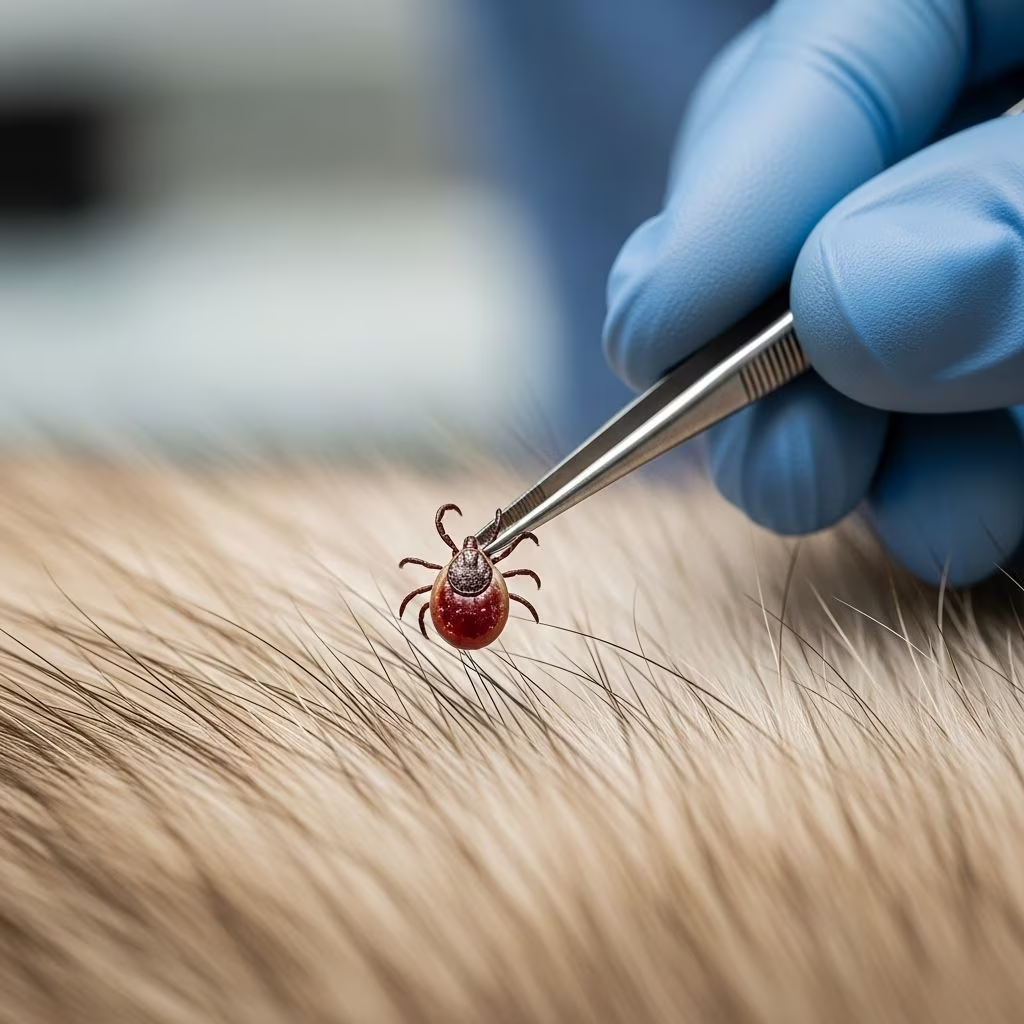
Ticks pose significant threats to animal health by transmitting diseases and causing direct irritation. Effective management combines multiple strategies tailored to specific species and environments to minimize infestations and associated risks.
Understanding Tick Biology and Risks
Ticks are arachnids that thrive in wooded, grassy areas and attach to hosts for blood meals, potentially spreading pathogens like those causing Lyme disease or anaplasmosis. In livestock, heavy infestations reduce productivity, while in pets, they lead to discomfort and zoonotic concerns. Daily checks and prompt removal prevent transmission, as ticks require time to infect hosts.
Multihost ticks like Ixodes species survive long unfed periods, complicating control compared to one-host varieties such as Rhipicephalus microplus. Awareness of local tick species informs targeted interventions.
Environmental Modifications for Tick Reduction
Altering habitats disrupts tick life cycles. Removing brush, leaf litter, and tall grass in pastures or yards limits questing sites where ticks await hosts. In recreational areas, vegetation management has controlled Amblyomma americanum populations.
- Mow lawns regularly to under 3 inches.
- Clear leaf debris and woodpiles.
- Create gravel or woodchip barriers around yards.
For poultry housing argasid ticks, seal cracks in walls and perches to eliminate shelters for free-living stages. Pasture rotation or spelling—leaving fields fallow for weeks matching larval lifespan—effectively targets one-host ticks in Australia. These non-chemical methods reduce reliance on drugs and environmental contamination.
Chemical Acaricides: Applications and Best Practices
Acaricides remain primary tools, available as sprays, dips, spot-ons, collars, ear tags, or systemic orals. Cutaneous products kill attached ticks and repel new ones, while systemic ones activate post-attachment via blood meals.
Product selection depends on animal type, tick species, and resistance patterns. Rotation prevents resistance development, a global issue since early arsenic dips. Veterinary-approved options like Vectra 3D (dinotefuran, permethrin, pyriproxyfen) repel and kill multiple parasites monthly in dogs over 8 weeks.
| Application Type | Examples | Pros | Cons |
|---|---|---|---|
| Topical Spot-on | Vectra 3D | Repels before bite; waterproof | Toxic to cats if misused |
| Collars/Tags | Impregnated ear tags | Long-lasting (months) | Less effective on head/neck |
| Systemic Oral | Chewables | Easy administration | Requires ingestion; post-attachment kill |
| Sprays/Dips | Livestock washes | Covers large areas | Labor-intensive; residue risks |
Follow label instructions precisely for safety and efficacy. Integrated use with owner compliance enhances outcomes.
Biological and Host Resistance Strategies
Biological controls leverage natural enemies. In Africa, oxpeckers (Buphagus spp.) peck ticks from ungulates, reducing burdens. Introducing tick-resistant Zebu cattle revolutionized Rhipicephalus control in Australia and gains traction elsewhere.
Breeding for resistance offers sustainable alternatives, minimizing chemical needs.
Vaccination Advances in Tick Control
Vaccines provide eco-friendly options, especially for cattle. They induce antibodies disrupting tick feeding or pathogen transmission. Hidden or exposed antigens show promise; conserved ones enable cross-species protection for dogs and cats.
Challenges include antigen identification, but recombinant vaccines targeting tick midgut receptors block pathogens like Babesia. Cost-effective compared to perpetual acaricides.
Manual Detection and Safe Removal Techniques
Hand-picking remains essential, particularly post-outdoor activity. Check high-risk areas: ears, armpits, groin, between toes.
Use fine-tipped tweezers or tick twisters: grasp at skin level, pull steadily without twisting to avoid mouthpart breakage. Dispose in alcohol, tape, or by flushing. Avoid crushing, which spreads pathogens.
- Part fur to expose skin.
- Grasp tick base firmly.
- Pull vertically until release.
- Disinfect site; monitor for reactions.
- Save tick for ID if illness develops.
Integrated Pest Management Approaches
No single method suffices; combine for synergy. Start with habitat avoidance and daily checks, layer preventives, and use acaricides judiciously. Educate owners on compliance and resistance signs.
For livestock, pasture management plus resistant breeds and vaccines; for pets, vet-recommended topicals with grooming. Monitor efficacy via tick counts.
Emerging Natural and Plant-Based Repellents
Plant extracts like essential oils (lavender, cedar) offer eco-friendly alternatives amid resistance concerns. Regular grooming with flea combs removes ticks mechanically. These complement but rarely replace chemicals.
Preventing Zoonotic Transmission
Ticks affect humans too; pet control curbs household risks. Dispose removed ticks properly to avoid re-infestation. Public-vet awareness campaigns amplify prevention.
FAQs
How often should I check my pet for ticks?
Daily, especially after wooded walks.
Are natural repellents effective alone?
Supportive but less reliable than vet-approved products; combine methods.
Can ticks be controlled without chemicals?
Yes, via environment changes, resistance, and vaccines, though integrated approaches work best.
What if my animal shows tick-borne disease signs?
Consult a vet immediately for diagnostics and treatment.
Are tick collars safe for all pets?
Choose age/weight-appropriate; avoid in multi-pet homes with cats.
Key Takeaways for Success
- Layer defenses: Environment + products + checks.
- Customize by species: Livestock vs. pets differ.
- Monitor resistance: Rotate treatments.
- Partner with vets: For tailored plans.
References
- Tick threat and control methods — Vet Times. 2023. https://www.vettimes.com/news/vets/livestock/tick-threat-and-control-methods
- Tick Control – Integumentary System — Merck Veterinary Manual. 2023-10-17. https://www.merckvetmanual.com/integumentary-system/ticks/tick-control
- Effective Flea And Tick Control Methods For Your Pets — Natomas Vet. 2024. https://natomasvet.com/effective-flea-and-tick-control-methods-for-keeping-your-pets-safe-and-healthy/
- Present and future technologies for tick control — PubMed/NCBI. 2001-03-01. https://pubmed.ncbi.nlm.nih.gov/11193677/
- How to remove ticks from your dog, cat, or horse — Vetster. 2024. https://vetster.com/en/wellness/how-to-remove-ticks-from-your-dog-cat-horse
- The Complete Guide to Flea and Tick Prevention and Treatment for Dogs — PetMD. 2024. https://www.petmd.com/dog/general-health/flea-and-tick-prevention-and-treatment-dogs
- Preventing Ticks on Pets — CDC. 2025-01-15. https://www.cdc.gov/ticks/prevention/preventing-ticks-on-pets.html



