

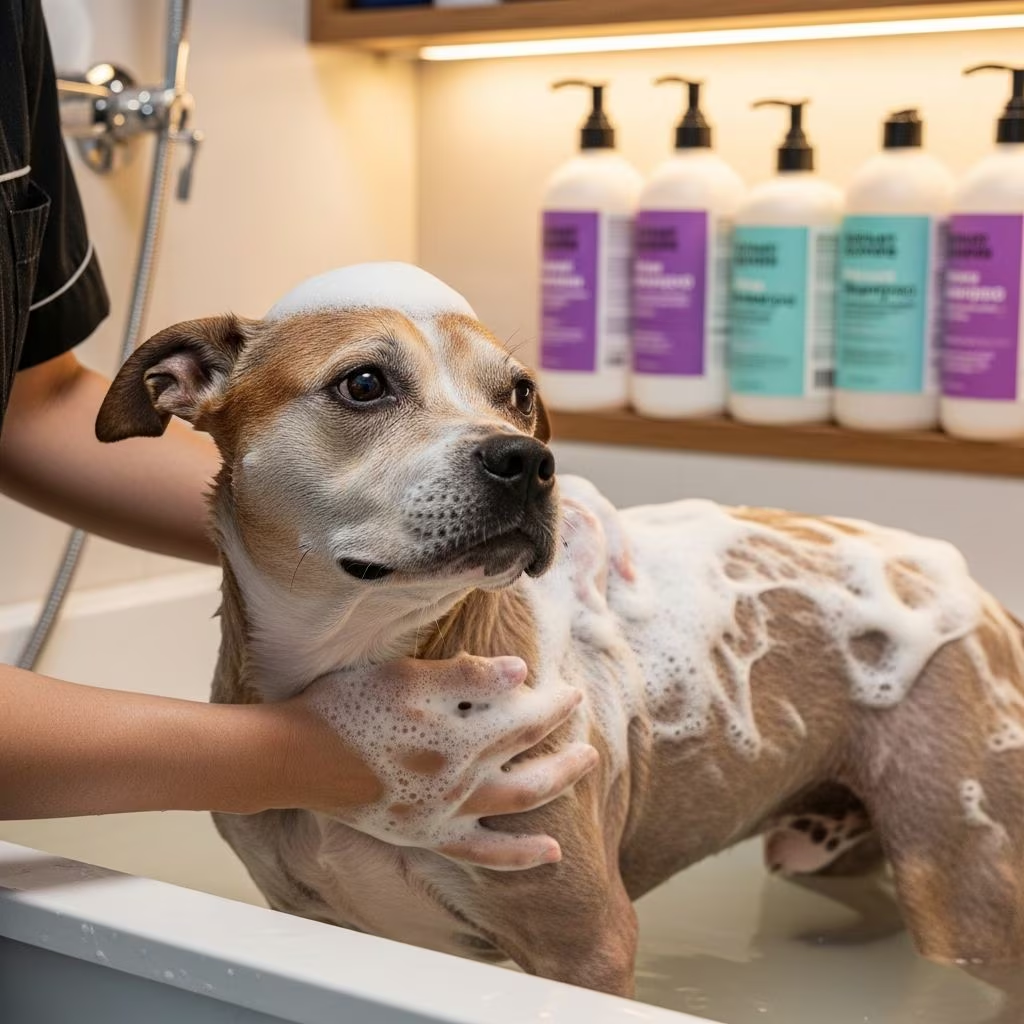
Dog mange, a distressing skin condition caused by parasitic mites, leads to intense itching, hair loss, and skin irritation that can severely impact your pet’s quality of life. Medicated shampoos play a crucial role in managing symptoms and supporting recovery when used as part of a veterinarian-prescribed treatment plan. These shampoos help cleanse the skin, reduce mite populations, soothe inflammation, and prevent secondary infections.
Understanding the Impact of Mange on Canine Skin
Mange arises from mites burrowing into or residing on a dog’s skin, triggering allergic reactions and immune responses. Common signs include relentless scratching, bald patches, crusty lesions, flaky skin, and in advanced cases, thickened hide or oozing sores. Early intervention with appropriate shampoos can halt progression and promote healing.
Dogs under stress, with compromised immunity, or in crowded environments face higher risks. Puppies and seniors are particularly vulnerable due to developing or waning defenses. Recognizing these symptoms promptly allows for targeted shampoo therapies that address both parasites and skin damage.
Primary Types of Mange Affecting Dogs
Not all mange is identical; different mites demand specific shampoo strategies.
- Sarcoptic Mange (Scabies): Caused by Sarcoptes scabiei, this highly contagious form starts on ears, elbows, and belly, spreading rapidly with severe itchiness and yellow crusts.
- Demodectic Mange: Triggered by Demodex mites normally present in hair follicles, it flares in immunocompromised dogs, leading to localized or widespread alopecia and folliculitis.
- Other Variants: Cheyletiella (walking dandruff) causes large flakes, while ear mites (Otodectes cynotis) produce dark discharge and head shaking.
Each type responds differently to shampoos, with sarcoptic often requiring miticidal dips alongside topicals.
Key Ingredients in Mange-Targeted Shampoos
Effective formulas contain active agents proven to kill mites and heal skin.
| Ingredient | Primary Benefit | Suitable For |
|---|---|---|
| Lime Sulfur | Kills mites, antibacterial, antifungal | Sarcoptic, demodectic |
| Amitraz (0.0125%) | Miticidal, reduces itching | Demodectic, severe cases |
| Imidacloprid/Moxidectin | Topical parasite control | Generalized mange |
| Benzoyl Peroxide | Antibacterial, keratolytic | Secondary infections |
These components, often combined with soothing oatmeal or aloe, provide multifaceted relief. Vet guidance ensures safe use, especially avoiding amitraz in sensitive breeds.
How Medicated Shampoos Work Against Mites
Shampoos penetrate the skin barrier, targeting mites at various life stages. Lime sulfur dips, applied weekly, release sulfur compounds that suffocate parasites and dry out lesions. Amitraz stimulates mite nervous systems, leading to paralysis.
For best results, lather thoroughly, leave on for 5-10 minutes, then rinse. Repeat as directed, typically 2-4 times over weeks. Pairing with oral meds like milbemycin oxime enhances efficacy for stubborn infestations.
Step-by-Step Guide to Shampoo Application
- Consult Vet First: Confirm diagnosis via skin scrapings.
- Prepare Bath Area: Use lukewarm water; wear gloves for dips.
- Wet Coat Fully: Soak from neck down, avoiding eyes.
- Apply Shampoo: Massage into affected areas; focus on hotspots.
- Dwell Time: Allow 5-15 minutes contact.
- Rinse Thoroughly: Prevent residue irritation.
- Dry Gently: Towel or low-heat blow dry.
Monitor for reactions; use an e-collar to curb scratching during treatment.
Combining Shampoos with Comprehensive Therapies
Shampoos alone rarely suffice; integrate with:
- Oral/Topical Antiparasitics: Ivermectin (breed-cautious), selamectin, fluralaner.
- Antibiotics: For bacterial overgrowth, e.g., cephalexin.
- Itch Relief: Antihistamines or steroids short-term.
- Environmental Cleanse: Wash bedding for contagious types.
Treatment duration spans 4-12 weeks; improvement shows as reduced itching within days.
Prevention Strategies to Avoid Mange Recurrence
Maintain robust health through balanced nutrition, flea preventives, and routine vet checks. Isolate new dogs and treat all household pets simultaneously. Stress reduction via exercise bolsters immunity against demodex flares.
Real-World Recovery Timelines and Expectations
Mild cases resolve in 2-4 weeks; severe ones need months. New hair growth signals progress, though full restoration takes time. Chronic cases may indicate underlying issues like hypothyroidism, warranting further tests.
Frequently Asked Questions (FAQs)
Can I treat dog mange at home with over-the-counter shampoos?
No, professional diagnosis is essential; OTC options lack potency for true mange.
Is dog mange contagious to humans?
Sarcoptic mange can temporarily affect humans, but demodectic does not.
How often should I bathe my dog during mange treatment?
Follow vet protocol, often weekly with medicated products.
What breeds are prone to mange complications?
Herding breeds risk ivermectin toxicity; shar-peis have skin folds aiding mites.
Will my dog fully recover from mange?
Yes, with proper care, most achieve complete healing.
Choosing the Right Shampoo for Your Dog’s Needs
Select based on diagnosis: lime sulfur for broad-spectrum kill, benzoyl peroxide for infected skin. Test patches first on sensitive pups. Brands with vet endorsements ensure quality.
In summary, medicated shampoos form the cornerstone of mange management, offering relief and mite control when expertly applied. Always prioritize veterinary oversight for optimal outcomes.
References
- Mange in Dogs: Signs, Causes, and How To Treat — Chewy. 2023. https://www.chewy.com/education/dog/health-and-wellness/mange-in-dogs
- Demodectic mange in dogs and cats: diagnosis and treatment — Vets and Clinics. 2022-10-01. https://www.vetsandclinics.com/en/library/demodectic-mange-in-dogs-and-cats-diagnosis-and-treatment
- Mange in Dogs: Symptoms, Causes and Treatment — PetMD. 2024. https://www.petmd.com/dog/conditions/skin/mange-dogs
- Mange in Dogs: Signs, Symptoms & Treatment — Purina US. 2023. https://www.purina.com/articles/dog/health/parasites/mange-in-dogs
- Your Dog Mite Have Mange: Photos, Symptoms + Treatments — LAVENgel. 2023. https://lavengel.com/pages/skin-issues-mange
- When to see a vet for dog mange — Vetster. 2024. https://vetster.com/en/wellness/when-to-see-a-vet-for-dog-mange



