

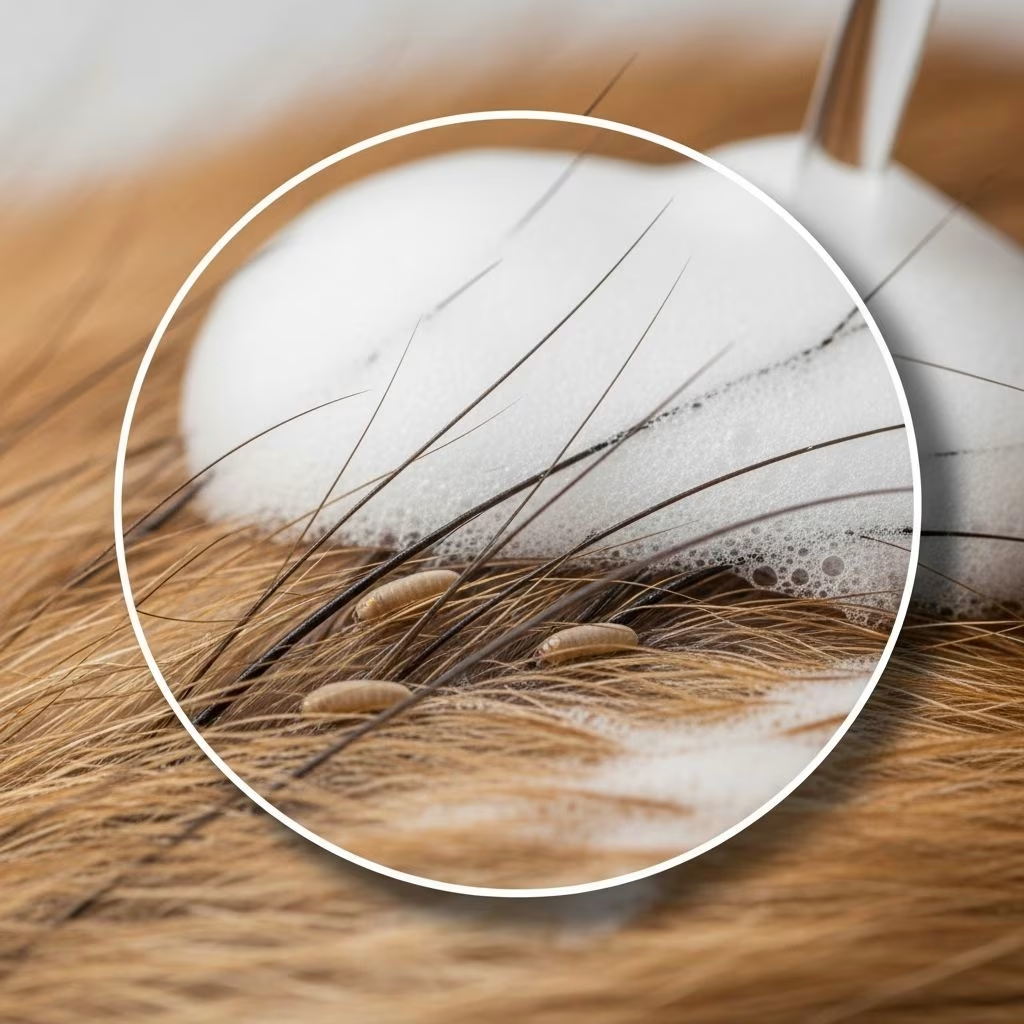
Canine demodicosis, commonly known as demodex mange, arises from an overgrowth of Demodex mites naturally residing in a dog’s hair follicles. When a dog’s immune system weakens, these mites proliferate, causing hair loss, redness, scaling, and secondary infections. While systemic treatments form the cornerstone of therapy, medicated shampoos play a vital supportive role by cleansing the skin, flushing follicles, and reducing bacterial complications. This article delves into the most effective shampoos, their mechanisms, application protocols, and integration with broader treatment plans to help dog owners achieve faster recovery.
Grasping the Nature of Demodex in Dogs
Demodex mites, specifically Demodex canis, are microscopic parasites that thrive in hair follicles and sebaceous glands. Puppies acquire them from their mothers shortly after birth, maintaining a balanced population under normal conditions. Issues emerge in dogs with compromised immunity, such as those with genetic predispositions, malnutrition, stress, or underlying diseases like hypothyroidism. There are two primary forms: localized, affecting small patches (often resolving spontaneously), and generalized, involving widespread skin and requiring aggressive intervention.
Symptoms progress from mild itching and bald spots to severe crusting, ulcers, and odor due to secondary bacterial pyoderma. Early diagnosis via skin scrapings is crucial, as untreated cases can become chronic. Veterinary confirmation distinguishes demodex from sarcoptic mange or allergies, guiding shampoo selection as part of a multifaceted approach.
Why Shampoos Matter in Demodex Therapy
Shampoos alone cannot eradicate deep-seated mites but are indispensable adjuncts. They remove sebum—a waxy barrier shielding mites—open follicles for better penetration of dips or topicals, and combat bacterial overgrowth that exacerbates lesions. Benzoyl peroxide shampoos, in particular, exhibit keratolytic (scale-shedding), antibacterial, and follicular flushing properties, making them a staple recommendation.
Studies and clinical reports affirm their value: one case saw complete resolution with combined shampoos and systemic agents after three weeks, confirmed by negative scrapings. Consensus guidelines endorse topical antimicrobials for mild pyoderma, reserving systemic antibiotics for severe cases. Regular bathing enhances treatment efficacy, prevents recurrence, and promotes skin healing.
Top Recommended Shampoos and Their Benefits
Several shampoos stand out for demodex management. Here’s a breakdown:
- Benzoyl Peroxide Shampoos (2.5-3% concentration): The gold standard for flushing sebum and mites. They degrease skin, kill surface bacteria, and prepare follicles for other therapies. Use before dips or topicals for synergy.
- Cypermethrin or Pyrethrin-Based Shampoos: Provide miticidal action alongside cleansing. Effective in combinations, applied every 15 days to boost systemic treatments.
- Antibacterial or Antifungal Shampoos: Target secondary yeast (Malassezia) or bacterial infections. Chlorhexidine or miconazole variants soothe and sterilize, used on non-mite treatment days.
- Lime Sulfur Preparations: Though more dip-like, diluted forms act as washes with potent acaricidal effects, suitable for scabies crossover cases but smelly and staining.
| Shampoo Type | Key Benefits | Frequency | Potential Drawbacks |
|---|---|---|---|
| Benzoyl Peroxide | Flushes follicles, antibacterial | 2-3x/week | May dry skin; rinse well |
| Cypermethrin | Miticidal, enhances systemic | Every 15 days | Avoid cats; toxicity risk |
| Chlorhexidine | Anti-bacterial/fungal | 2x/week initially | Mild irritation possible |
| Lime Sulfur | Strong acaricide | Weekly | Odor, staining |
Step-by-Step Guide to Shampoo Application
Proper technique maximizes benefits and minimizes stress. Always consult a vet for tailored protocols.
- Prepare the Dog: Clip long coats for better contact. Bathe in a warm, non-slip area.
- Wet Thoroughly: Soak skin for 5-10 minutes to soften crusts.
- Apply Shampoo: Lather generously, massaging into affected areas for 5-10 minutes. Focus on lips, paws, and elbows—common hotspots.
- Rinse Completely: Residue irritates; use lukewarm water until clear.
- Dry Gently: Towel or low-heat blow-dry to prevent chilling.
- Follow with Therapy: Apply dips or topicals immediately post-benzoyl peroxide for optimal absorption.
Bathe 2-3 times weekly initially, tapering as improvement occurs. Monitor for dryness; moisturize if needed.
Integrating Shampoos with Systemic Treatments
Shampoos amplify oral or injectable acaricides like ivermectin, milbemycin, fluralaner (isoxazolines), or doramectin. For instance, fluralaner reduced mites by 99.9% by day 56, outperforming some topicals alone. Afoxolaner and sarolaner show similar rapid mite reductions (up to 100% by day 84), with clinical sign improvements.
Address secondary issues: antibiotics for deep pyoderma, antihistamines for itch. Immune support via nutrition prevents relapses. Household pets need screening/treatment to curb reinfestation. Treatment duration spans weeks to months; confirm cure with three negative scrapings one month apart.
Potential Side Effects and Precautions
- Skin Irritation: Benzoyl peroxide may cause redness; dilute or space baths.
- Toxicity Risks: Ivermectin-sensitive breeds (Collies) avoid pyrethrins; vet monitoring essential.
- Human Safety: Wear gloves; mites rarely transmit but wash hands.
- Environmental: Lime sulfur stains fabrics; ventilate for amitraz dips.
Pregnant dogs or puppies under 8 weeks require caution—opt for milder options.
Preventing Recurrence After Treatment
Post-recovery, maintain baths weekly with mild medicated shampoo. Boost immunity with balanced diet, stress reduction, and annual check-ups. Spay/neuter reduces hormonal triggers. For recurrent cases, prophylactic isoxazolines every 4 weeks. Early localized treatment with benzoyl peroxide gels often suffices without systemics.
FAQs on Dog Demodex Shampoos
Q: Can shampoos cure demodex alone?
A: No, they support by cleansing but pair with vet-prescribed acaricides for eradication.
Q: How soon do results show?
A: Improvement in 2-4 weeks; full recovery 1-3 months with consistent use.
Q: Is benzoyl peroxide safe for all dogs?
A: Generally yes at 2.5-3%; test patch first, avoid eyes/mucous membranes.
Q: What if my dog worsens?
A: Seek vet immediately—may indicate resistance or deeper infection.
Q: Can humans get demodex from dogs?
A: Rare; Demodex canis doesn’t thrive on people.
Case Studies Highlighting Shampoo Success
In a reported case, a dog with generalized demodicosis recovered fully in three weeks using fluralaner, ivermectin, benzoyl peroxide, and cypermethrin shampoos, with negative scrapings confirming success. Comparative trials with afoxolaner showed 100% mite reduction by day 84 versus slower alternatives. These underscore shampoos’ role in multi-modal success.
References
- Dog Mite Shampoo: What Does Mange Look Like on Dogs — PetPlace.com. 2023. https://www.petplace.com/article/dogs/pet-care/dog-care/dog-mange-shampoo-vets-advice-dog-mange-shampoo
- A case report on the effective management of canine demodicosis — International Journal of Biology. 2025-04. https://www.biologyjournal.net/archives/2025/vol7issue4/PartB/7-4-13-806.pdf
- Treating demodectic mange in 6 steps — Happy Dog Naturals. 2024. https://www.happydognaturals.com/demodectic-mange/six-steps-to-beating-demodectic-mange/
- Update on treatment of demodicosis (Proceedings) — dvm360. 2022-10-01. https://www.dvm360.com/view/update-treatment-demodicosis-proceedings
- Updates on the Management of Canine Demodicosis — Today’s Veterinary Practice. 2023. https://todaysveterinarypractice.com/dermatology/dermatology-detailsupdates-management-canine-demodicosis/
- Summary of Clinical Consensus Guidelines Demodicosis — World Association for Veterinary Dermatology. 2023. https://wavd.org/wp-content/uploads/summary-of-clinical-consensus-guidelines-demodicosis.pdf
- Evidence-based treatment of canine demodicosis — PubMed (Veterinarni Medicina). 2011-12. https://pubmed.ncbi.nlm.nih.gov/22167167/



