
Parasite Management In Horses: 5-Step Sustainable Guide
Comprehensive strategies for controlling equine parasites through smart farm practices, targeted deworming, and environmental hygiene to ensure horse health.
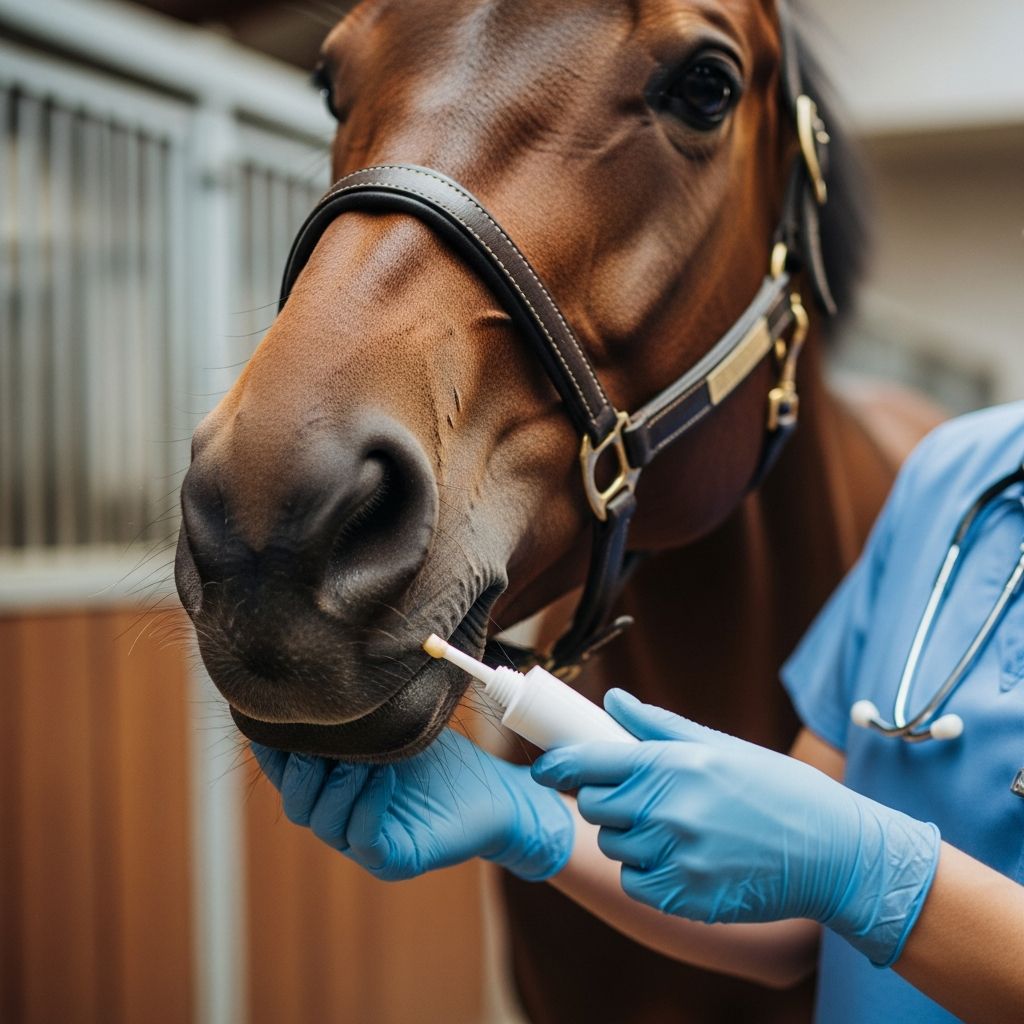
Horses face constant threats from internal parasites that can compromise their health, performance, and longevity. Effective management requires integrating environmental controls, precise diagnostic tools, and judicious use of medications to break parasite life cycles and prevent resistance buildup. This approach minimizes disease risk while promoting sustainable farm practices.
Understanding the Impact of Parasites on Equine Health
Internal parasites such as small strongyles, ascarids, and tapeworms thrive in horse environments, leading to issues like colic, weight loss, and poor coat condition. These organisms spread primarily through ingestion of contaminated pasture, feed, or water. Young horses and heavily stocked farms are particularly vulnerable, as larvae migrate through tissues, causing inflammation and organ damage.
Historically, routine deworming every few months was standard, but widespread anthelmintic resistance has rendered this ineffective. Modern protocols emphasize identifying high-shedder horses—those responsible for 80% of pasture contamination—and tailoring interventions accordingly.
Key Parasites Affecting Horses and Their Life Cycles
- Small Strongyles (Cyathostomes): The most common, with larvae encysting in the gut wall, emerging en masse to cause diarrhea and colic.
- Ascarids (Parascaris equorum): Prevalent in foals, leading to intestinal blockages; eggs are highly resilient in manure.
- Tapeworms (Anoplocephala perfoliata): Attached to the gut, increasing colic risk; spread via oribatid mites on pasture.
- Bots (Gasterophilus spp.): Larvae from stomach flies irritate the digestive tract.
Parasite eggs hatch in manure, releasing infective larvae onto grass, where they survive weeks to months depending on weather. Hot, dry conditions kill many, but moist environments favor persistence.
Environmental Strategies to Reduce Parasite Loads
Preventing parasite ingestion starts with farm design and daily habits. Pasture and facility hygiene disrupt life cycles before dewormers are needed.
Pasture Management Techniques
Rotate horses across divided paddocks to allow rest periods for grass recovery and UV exposure to kill larvae. Avoid overgrazing, which forces horses to nibble near soil level where larvae concentrate.
| Practice | Benefits | Implementation Tips |
|---|---|---|
| Rest Periods | Allows larvae die-off | 4-6 weeks per paddock |
| Co-Grazing | Breaks cycles with cattle/goats | Rotate species sequentially |
| Harrowing | Exposes to sun/heat | During dry heat >100°F, keep horses off post-harrow |
Co-grazing with ruminants is highly effective since equine parasites don’t mature in cattle or sheep, clearing pastures naturally.
Manure Handling Best Practices
Manure is the primary egg source. Daily removal from stalls and paddocks prevents hatching. Compost piles at 140°F+ for 2 weeks kill eggs and larvae.
- Stalls: Clean within 24-72 hours.
- Pastures: Weekly drag or vacuum for larger areas.
- Composting: Turn piles regularly; use for non-equine pastures.
Diagnostic Tools for Targeted Control
Fecal egg counts (FEC) classify horses as low (<20 epg), medium (20-200 epg), or high (>200 epg) shedders. Test twice yearly to guide treatments—only 20-30% need frequent deworming.
Fecal Egg Count Reduction Testing (FECRT)
Assess dewormer efficacy: Count pre-treatment, treat, recount at 14 days. >95% reduction indicates susceptibility; lower signals resistance. Rotate classes if needed.
New arrivals require quarantine, FEC, and FECRT before group integration to avoid importing resistant strains.
Strategic Deworming Protocols
The American Association of Equine Practitioners (AAEP) recommends 1-2 annual treatments for all adults, plus targeted doses for high shedders. Prioritize double-dose fenbendazole or oxibendazole for encysted larvae in winter.
| Dewormer Class | Key Targets | Resistance Notes |
|---|---|---|
| Benzimidazoles (e.g., fenbendazole) | Small strongyles, ascarids | Common resistance; use for FECRT |
| Macrocyclic lactones (e.g., ivermectin, moxidectin) | Bots, strongyles, ascarids | High resistance in small strongyles |
| Pyrimidine (pyrantel) | Tapeworms (double dose), strongyles | Variable efficacy |
Time treatments for peak larval availability: spring/fall for adults, winter for encysted stages. Foals need more frequent dosing due to ascarid susceptibility.
Facility and Feeding Hygiene
Elevate feeders 2-3 feet off ground to avoid fecal contamination. Clean/disinfect weekly with effective agents like aerosol disinfectants for ascarid eggs in stalls.
- Use covered hay racks.
- Provide clean water sources.
- Group by age: Separate foals to limit ascarid spread.
Addressing Anthelmintic Resistance
Resistance affects all classes, driven by over-treatment. Preserve efficacy by:
- Treating only high shedders.
- Rotating only after FECRT confirmation.
- Avoiding foal blanket treatments.
Monitor farm-wide via annual FECRT on representative horses.
Special Considerations for Foals and Breeding Farms
Foals face heavy ascarid burdens; deworm at 2, 6, 8, and 12 months, adjusting per FEC. Compost weanling manure separately. Breeding farms can’t eradicate ascarids but can reduce heavy infections via hygiene.
Integrated Parasite Control Program
Combine practices for synergy:
- Assess via FEC biannually.
- Implement pasture/manure protocols.
- Deworm strategically with FECRT.
- Quarantine newcomers.
- Review annually with vet.
This reduces egg shedding by 70-90%, cutting clinical disease.
Frequently Asked Questions (FAQs)
How often should I deworm my horse?
1-2 times yearly baseline, plus targeted for high shedders based on FEC.
Can I use the same dewormer every time?
No—test for resistance first to avoid accelerating it.
Is co-grazing safe?
Yes, with cattle/goats, as they clear equine larvae harmlessly.
What if FECRT shows low efficacy?
Switch classes and retest; consult vet for alternatives.
How to compost manure effectively?
Reach 140°F, turn weekly for 2+ weeks.
Monitoring and Long-Term Success
Track health metrics like body condition and performance. Partner with vets for customized plans. Sustainable control protects herds and preserves dewormer utility for future generations.
References
- Whole-Farm Management Strategies for Equine Internal Parasites — Penn State Extension. 2023. https://extension.psu.edu/whole-farm-management-strategies-for-equine-internal-parasites/
- Methods for Controlling Equine Parasites in the Environment — University of Kentucky Equine Program. 2023. https://equine.mgcafe.uky.edu/news-story/methods-controlling-equine-parasites-environment
- Parasite control methods used by horse owners — PubMed (Veterinary Record). 2000-07-08. https://pubmed.ncbi.nlm.nih.gov/10887995/
- Controlling Common Internal Parasites of the Horse — Oklahoma State University Extension. 2023. https://extension.okstate.edu/fact-sheets/controlling-common-internal-parasites-of-the-horse.html
- AAEP Internal Parasite Control Guidelines — American Association of Equine Practitioners. 2024-05. https://aaep.org/wp-content/uploads/2024/05/Internal-Parasite-Guidelines_Updated.pdf
- Equine Parasite Control Methods — Ohio State University Animal Sciences. 2023-05-15. https://ansci.osu.edu/sites/ansci/files/imce/files/Factsheets/Equine%20Parasite%20Control%20Methods%20-%20Fact%20Sheet%20AS-H-2-22%20A%20%205-15-2023%20%20Final.pdf
Similar Articles








Read full bio of Sneha Tete


